




Introduction — Don’t Panic: Why Emergency Care in Krakow Isn’t That Bad
There’s a rumor going around: emergency departments in Krakow are chaotic, slow, and only for dramatic cases — a nightmare for travellers who hear « pogotowie » (the emergency services) and imagine the worst. You see this on travel forums and Facebook groups: endless queues, language barriers, hidden costs, primitive medicine. The result: some visitors panic at the first fever, others hide in or avoid going out at night. Yet, as is often the case, reality is less dramatic. Krakow is a major European city with a functioning healthcare system, well-equipped university hospitals, and a growing private sector. The real question isn’t « should you panic? » but « how to get informed and choose the right option depending on the urgency. »
This guide isn’t about dismissing legitimate worries: a medical emergency is still stressful, especially far from home and in a foreign language. Its goal is to debunk misconceptions and offer practical, concrete solutions tested by locals and experienced travellers. We’ll look at why the fear of Krakow emergency rooms is often overstated, what practical mechanisms can make an ER visit tiring (and how to avoid them), and finally propose precise alternatives — private clinics, out-of-hours services, 24-hour pharmacies — with addresses, opening hours and indicative prices in euros.
Practically speaking, expect pragmatic tips: how to assess whether a situation really requires an ER visit, what documents to bring, how to use the European Health Insurance Card (EHIC / CEAM), how to avoid unnecessary waits by going to a private practice, and where to find English-speaking help. The aim is to turn anxiety into preparation: knowing you have reliable options makes all the difference. You’ll also learn why public emergency departments in Krakow remain solid for serious cases and how private facilities offer a fast, often less stressful alternative for non-life-threatening issues.
Before we dive in, one final point: caution. If you or someone else is in immediate danger, call 112 — the European emergency number — without hesitation. Everything else can be planned, optimised, or avoided. If you want to keep your trip calm, read on: you’ll leave with exact addresses, realistic price ranges, opening hours and local hacks to handle a medical hiccup in Krakow without panicking.
1) Why the image of Krakow emergency rooms is overblown (the reality behind the myth)
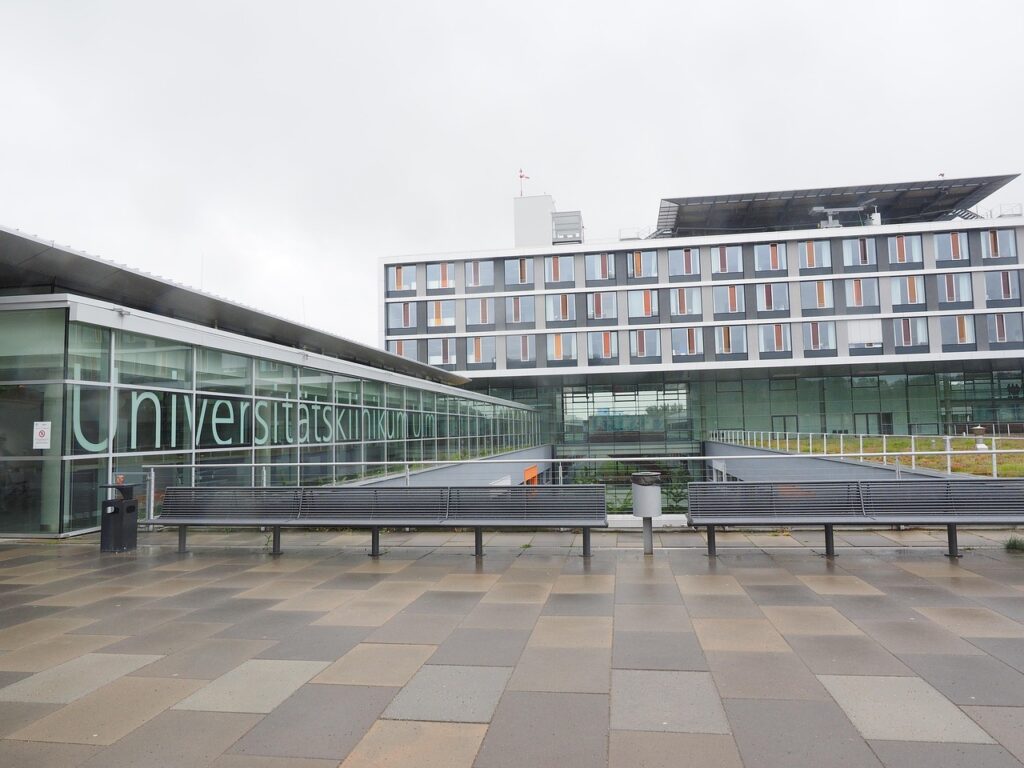
Negative impressions about emergency care usually come from a mix of individual anecdotes and a very human phenomenon: the memory of the worst. A long wait, exhausted staff, or poor language communication sticks in the mind more than the dozen excellent treatments that go unnoticed. In Krakow, emergency departments (SOR — Szpitalny Oddział Ratunkowy) at public hospitals such as the Szpital Uniwersytecki w Krakowie (ul. Kopernika 36, 31-501 Kraków) are well equipped for serious cases — heart attacks, accidents, strokes — and have specialised teams available 24/7. These services follow European protocols and receive ongoing training.
Yes, there are constraints: seasonal tourist surges in summer, strict prioritisation based on medical severity (triage), and sometimes a language barrier with staff who speak little English. But these issues don’t mean incapacity: they mean that with the right information you can get the right care in the right place. A patient with an open fracture will move faster through a public ER than someone with a mild earache. The key nuance is this: it’s not that the emergency services are « terrible, » it’s that not all medical needs should be treated the same way.
Another source of worry is misunderstanding how payment works. EU citizens who present the European Health Insurance Card (EHIC / CEAM) receive care on the same terms as Polish insured patients (urgent treatments are covered). Non-EU nationals sometimes need to pay upfront for treatments that aren’t covered; however, for life-threatening emergencies you are treated immediately and billing is handled afterward. In short: emergencies aren’t a financial roulette — medical severity comes first and the public system functions.
2) Practical pitfalls (and how to avoid them) — queues, language, and waiting
The common hassles in Krakow don’t come from poor medicine but from practical, avoidable problems. Here are the most frequent issues and concrete solutions:
- Triage and waiting lines: Triage is strict — if your case isn’t urgent, you’ll wait. Solution: for non-life-threatening issues (moderate fever, small wounds, minor infections), opt for a private clinic or out-of-hours medical service (Nocna i Świąteczna Opieka Zdrowotna) instead of the hospital ER. Private clinics often see patients within 30–90 minutes.
- Language barrier: Many staff speak English, but not all. Solution: bring a note in English/Polish listing your symptoms, allergies and medications. Use the Google Translate app offline or the telephone translation services often offered by major hospitals.
- Perceived cost: Fees can be a surprise. Solution: carry a copy of your insurance, the EHIC if applicable, and a credit/debit card. To avoid nasty surprises, choose a private clinic if your travel insurance reimburses expenses.
- Night logistics: Pharmacies close at night and public transport is less frequent. Solution: locate a 24-hour pharmacy and out-of-hours clinics in advance. Use ride-hailing apps (Bolt, Free Now) and call 112 in severe situations.
These tips greatly reduce stress: preparing a small translated medical file and knowing where to go are simple steps that prevent panic. Preparation turns a risky situation into a manageable one.
3) Concrete, quality alternatives (private clinics, out-of-hours doctors, 24h pharmacies)
When it’s not a life-threatening emergency, the best option in Krakow is often a private clinic or the out-of-hours service. Here are reliable, commonly used alternatives by locals and travellers, with addresses, opening hours and indicative prices in euros.
-
Lux Med Centrum Medyczne — Kraków Galeria Krakowska
Address: ul. Pawia 5 (Galeria Krakowska), 31-154 Kraków.
Opening hours: Monday–Friday 08:00–20:00, Saturday 09:00–14:00 (check branch hours to be sure).
Indicative prices: GP consultation ≈ €30–50, specialist consultation ≈ €50–120; rapid tests (CRP, urine tests) ≈ €10–40.
Why: national network of private clinics with electronic medical records and the option to book appointments in English. -
Medicover Clinic Kraków
Address: ul. Jasnogórska 11, 31-358 Kraków (Medicover medical centre).
Opening hours: Monday–Friday 08:00–20:00, Saturday 09:00–13:00.
Indicative prices: GP visit ≈ €25–45, urgent weekend visit ≈ €40–70; English-language services and teleconsultations available.
Why: strong reputation among foreigners, English-speaking staff, partnerships with several international insurers. -
Nocna i Świąteczna Opieka Zdrowotna (Night and Holiday Medical Care)
Useful location: Out-of-hours service at Szpital Uniwersytecki, ul. Kopernika 36, 31-501 Kraków.
Opening hours: Nights and public holidays — hours vary by site (generally 18:00–08:00 on weekdays, and some centres operate 24/7 on weekends).
Prices: non-life-threatening emergency consultation ≈ €20–60 depending on procedures; life-threatening emergencies are treated immediately.
Why: public service organised to handle unscheduled cases outside normal hours. -
24h Pharmacy — Apteka Całodobowa
Example: Apteka Całodobowa, ul. Długa 41, 31-147 Kraków (check the nearest local 24h pharmacy).
Opening hours: 24/7.
Prices: OTC meds (paracetamol, anti-diarrhoeals) ≈ €2–10; quick advice from the pharmacist is usually free.
Why: essential for minor ailments and after-hours access to basic medication.
These alternatives let you avoid an ER queue for minor problems, get fast care in English, and keep costs under control if you have travel insurance. Always confirm opening hours and prices before you go: clinics often update their rates and schedules.
4) Local tips and practical moves to stay calm
Here’s a practical checklist compiled by Krakow locals and seasoned travellers so you’re ready if something happens:
- Print or save a photo of your EHIC / CEAM and your travel insurance policy. The EHIC makes accessing care at national rates easier for EU citizens.
- Carry a small card translated into English/Polish: allergies, current medications, medical history and emergency contacts. Example: « Allergic to penicillin » translated into Polish « Alergia na penicylinę. »
- Before you leave, mark the nearest private clinic and a 24-hour pharmacy on a map; save local taxi apps (Bolt, Free Now) on your phone.
- For calls: 112 — the European emergency number (ambulance, police, firefighters). Ask for « ambulance » or say « pogotowie. » If possible, ask for someone who speaks English.
- If pain or symptoms are moderate, prefer a teleconsultation via Medicover or Lux Med: you’ll save time and avoid an unnecessary trip.
Conclusion — Reassure without dismissing, prepare without dramatizing
Panic and emergencies make a perfect pairing for worst-case scenarios, especially when you’re travelling far from home. In Krakow, public emergency services are competent for serious cases and private facilities offer a fast, often more comfortable alternative for non-life-threatening problems. The notion that « Krakow emergency rooms are terrible » is an unfair shortcut: it overlooks the good outcomes, well-equipped university hospitals like Szpital Uniwersytecki w Krakowie (ul. Kopernika 36) and the existence of a network of private clinics (Lux Med, Medicover) available to travellers.
The real power comes from preparation: knowing when to call 112, when to go to an ER, and when to choose a private clinic completely changes the experience. Carrying your EHIC if eligible, a translated summary of your medical history, locating a 24-hour pharmacy and knowing an efficient private clinic (Lux Med, Medicover) are simple steps that prevent panic and make any medical visit in Krakow manageable. Ultimately, this isn’t about denying the difficulty of an unexpected medical issue, but about reminding you that the city offers practical, quality solutions — you just need to know and use them.
By travelling informed and pragmatic, you can turn what might be a crisis into a professionally handled incident. And above all: keep this basic advice handy — for a real emergency, call 112 immediately. Everything else can wait for a 30-minute private clinic appointment or a well-run out-of-hours consultation. Krakow is not a medical trap: it’s a city where you can get quick, competent care, often in English — without giving in to panic.