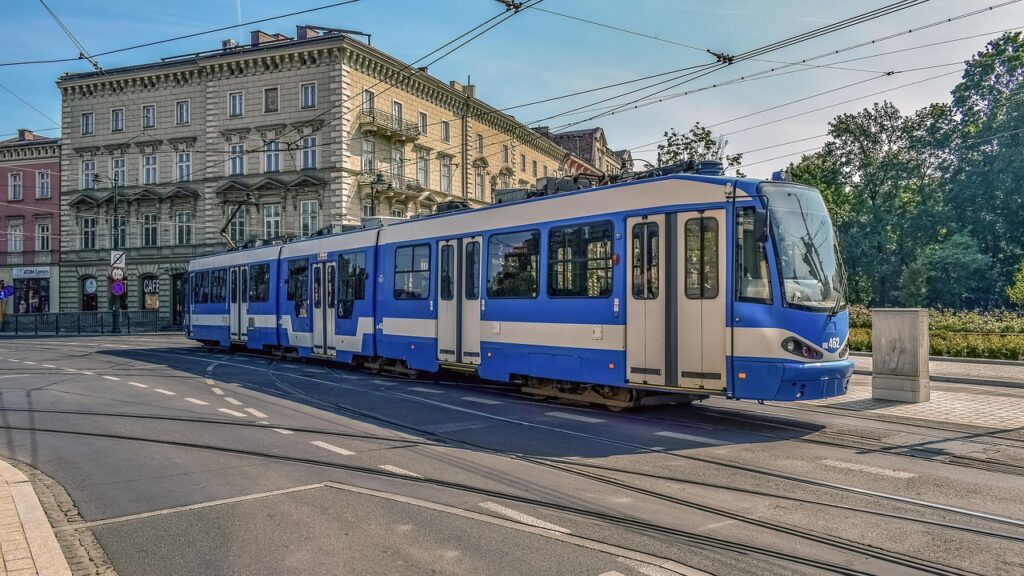






Introduction: Choosing Between a Local Guide and an Audioguide in Kraków
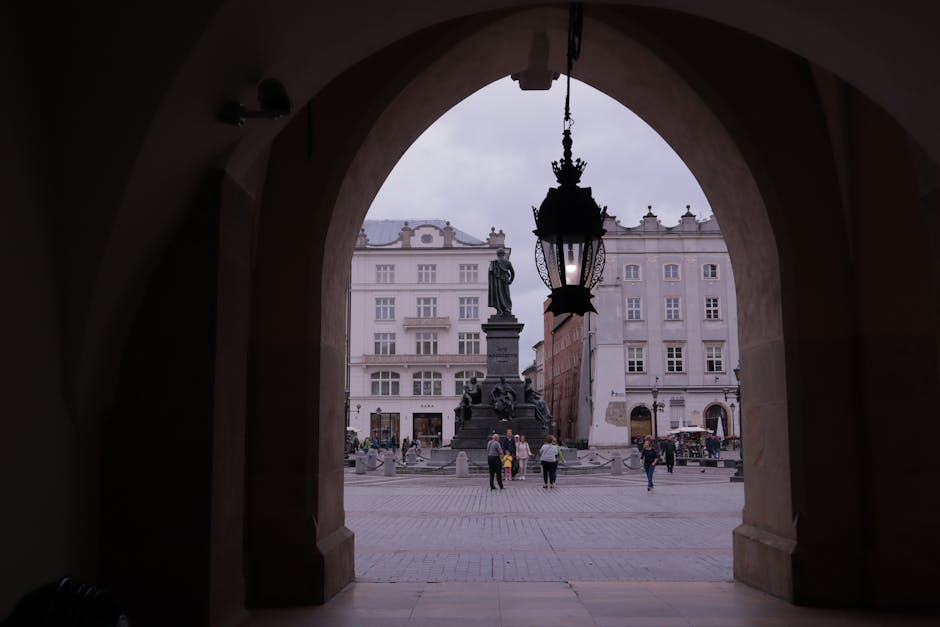
Kraków, with its UNESCO-listed Old Town, history-soaked Jewish districts, the Wawel hill and the banks of the Vistula, draws millions of visitors every year. Wandering the old town — Rynek Główny (Main Market Square) — or exploring Kazimierz and the wartime sites often requires context to turn a walk into a memorable experience. Two popular ways to discover the city are human local guides and audioguides (digital or loaned devices). Each has benefits and drawbacks that shape how you perceive the city, interpret monuments and interact with locals.
Picking between a local guide and an audioguide isn’t just a tech choice: it’s about immersion level, accessibility, budget and flexibility. A live guide can bring places to life, answer questions in real time, take you off the beaten track and tailor the story to the group. By contrast, an audioguide gives you full autonomy, lets you set your own pace and is often cheaper. In a compact city like Kraków, where every street hides architectural flourishes, anecdotes and tiny historical details (bell towers, façades, memorial plaques), the storytelling format you choose will deeply influence what you remember and feel.
This practical comparison aims to help you weigh the pros and cons, with concrete examples tied to Kraków’s top sites: Zamek Królewski na Wawelu (Wawel Royal Castle), Bazylika Mariacka (St. Mary’s Basilica), Sukiennice (Cloth Hall) on Rynek Główny, Oskar Schindler’s Factory (Museum) and day trips like the Auschwitz-Birkenau State Museum in Oświęcim. I’ll give exact addresses, rough price ranges in euros (€), typical opening hours, vivid descriptions and local tips to help you get the most out of each option.
Throughout this article you’ll also find practical recommendations: when to prioritize a human guide (for groups, specialist questions, accessibility) and when an audioguide makes sense (autonomy, budget, early morning/late night visits). Real-life scenarios will help you decide whether you’re traveling solo, as a couple, with family or in a group. Finally, I’ll share logistics tips — how to book, what fees to expect and hybrid alternatives — so your stay in Kraków is rich, relevant and, above all, memorable.
Advantages of a Local Guide in Kraków: Immersion, Human Context and Flexibility
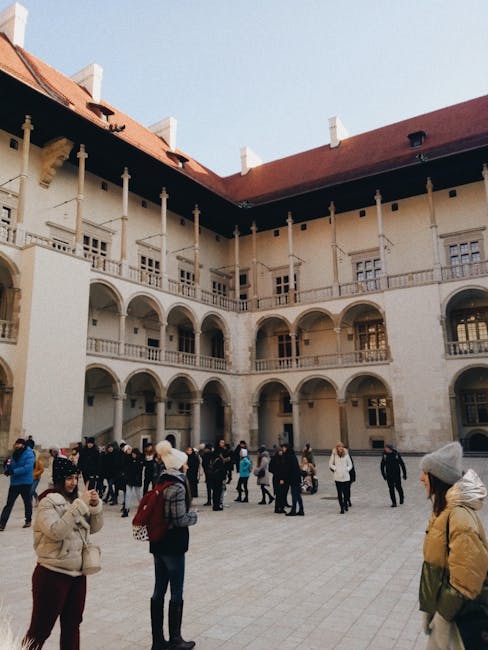
Hiring a local guide in Kraków — whether it’s a 2-hour walking tour of the Old Town or a private full-day excursion to Auschwitz-Birkenau — offers benefits that a device can’t easily replace. A professional or passionate guide can share personal anecdotes, explain socio-historical context, point out subtle architectural details (like grotesques or carved symbols) and adapt their talk to the pace and interests of the group. For example, a guided tour of Wawel Royal Castle (Zamek Królewski na Wawelu) — Zamek Wawel 5, 31-001 Kraków — will often go beyond the standard state rooms: behind the cathedral a guide can show you quieter corners and tell courtly stories. The address and route are straightforward, but the guide enriches the visit.
Price and organization: group guided tours in Kraków typically cost between €10 and €25 per person for a 2–3 hour tour (city center, Kazimierz Jewish quarter, or a walk in Nowa Huta). Private tours start at around €80 and can rise to €200+ depending on duration and guide type (historian, licensed guide, lecturer). For example, a private 3-hour tour of the Old Town covering Wawel, Rynek Główny (Market Square) and St. Mary’s Basilica might run about €120–€150. These fees can seem high, but they include interactivity, customization and often suggested coffee or meal stops recommended by the guide.
Hours and flexibility: local guides work with opening hours. St. Mary’s Basilica (Kościół Mariacki) — Plac Mariacki 5, 31-042 Kraków — is usually open to visitors from about 11:00 to 17:00 (church services may alter times). An experienced guide will avoid service times for a more comfortable visit. Oskar Schindler’s Factory (Fabryka Schindlera) — ul. Lipowa 4, 30-702 Kraków — generally opens from 10:00 to 18:00 (paid entry, around €10–€12), and a guide can advise booking ahead in high season to skip long lines.
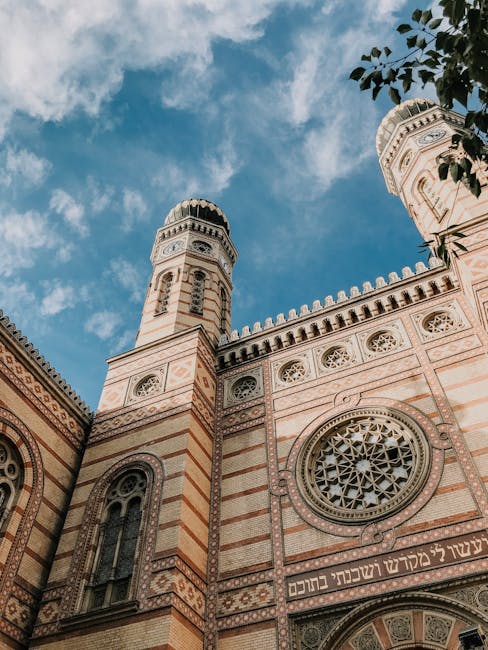
Cultural added value: a local guide can tailor the narration to different interests: families with kids, architecture buffs, food lovers or those researching Jewish history. In Kazimierz, a guide might take you to the Remuh cemetery (ul. Szeroka 40) and explain the meaning of inscriptions, or introduce smaller synagogues such as the Remuh Synagogue (Remuh Synagogue) — ul. Szeroka 40 — while explaining local traditions. Guides also share practical dining tips: recommending affordable authentic Polish restaurants like Pod Aniolami (ul. Grodzka 35) or pointing out where to grab a popular zapiekanka near Plac Nowy.
Advantages of an Audioguide in Kraków: Autonomy, Cost and Replayability
An audioguide — whether a museum-loaned device, a downloaded MP3 or a mobile app like Rick Steves Audio Europe or PocketGuide — offers a different model: total freedom, your own pace and often a lower price. For independent travelers who love to linger, stop for photos or sit in a café, an audioguide is ideal. It usually offers multilingual tracks — Polish, English, French, German, Spanish — and you can replay sections to better absorb an explanation.
Price: many audioguides are free or inexpensive. For instance, a national museum’s audioguide in Kraków might rent for around €3–€5. Mobile apps often sell citywide passes: €5–€12 for a package covering Rynek Główny, Wawel, Kazimierz and Nowa Huta. Some apps provide free content for major sites and premium paid routes for themed tours (food, architecture, Jewish history).
Convenience and availability: an audioguide doesn’t depend on a human guide’s schedule or the weather to keep a group together. You can visit St. Mary’s Basilica (Plac Mariacki 5) whenever it suits you, listen to commentary about Veit Stoss’s altar and then head to the Cloth Hall (Sukiennice, Rynek Główny 1-3) without sticking to a guide’s timetable. For paid sites, entry and an audioguide are sometimes bundled: some museums include an audioguide in the ticket for about €3–€7.
Accessibility and language autonomy: audioguides suit visitors who know several languages or prefer to learn at their own pace. They’re great for people anxious about social interaction or for late-night/early-morning visits when guided tours are scarce. For example, evening visits to the historic quarter (Rynek Główny) often lack late guided tours, but audioguides remain available 24/7.
Comparative Limits and Practical Tips for Choosing in Kraków
Despite their strengths, both local guides and audioguides have limits. Knowing these will help you pick the best option based on your travel style, budget and visit goals.
Limits of a local guide: availability and cost. Local guides, especially licensed guides for specialized sites (museums, temporary exhibits, excursions to Auschwitz-Birkenau), can be pricey and need to be booked well in advance. A private guided trip to the Auschwitz-Birkenau State Museum (State Museum Auschwitz-Birkenau, Więźniów Oświęcimia 20, 32-603 Oświęcim) commonly includes transport from Kraków, a licensed guide and entrance fees: expect roughly €50–€120 per person for a half- or full-day excursion depending on group size and transport. Also, some guides may move at a brisk pace or offer a subjective interpretation of events; it’s wise to check qualifications and reviews.
Limits of the audioguide: lack of interaction and nuance. An audioguide can’t replace a human guide’s ability to answer specific questions or improvise a local anecdote. It can feel less vivid: you miss the emotional impact of a live testimony, the chance to ask about contemporary Polish culture or the subtle contextualization of complex historical events. For instance, Oskar Schindler’s Factory (ul. Lipowa 4) is emotionally heavy; a human guide can moderate the tone, notice signs of discomfort in visitors and adjust the approach — something a recording can’t do.
Practical tips for choosing: several scenarios.
- You’re traveling solo and like independence: choose an audioguide. Download a reputable app before you go — check recent reviews and pick one with offline access (essential if your mobile plan doesn’t include roaming). Approximate costs: €0–€10.
- You’re with family or a group: a local guide is often better. Guides know how to keep kids engaged, offer interactive anecdotes and adjust duration. For a family-friendly 2–3 hour city-center tour, budget €15–€25 per person for a quality tour.
- Sensitive visits (Auschwitz-Birkenau): book a licensed guide. Proper historical explanation and rules of respect are crucial; a competent guide will present the information with the necessary gravity. Indicative price for a guided trip from Kraków: €40–€120.
- On a tight budget: combine options. Use an audioguide in the morning and join a tips-based free walking tour in the afternoon for human context. Free walking tours that leave near the fountain on Rynek Główny typically ask for €0–€10 as a recommended tip.
Extra local tips:
- Book early in high season (May–Sept). Popular guides fill up days in advance, especially for themed tours (e.g., Gothic architecture, food tours in Kazimierz).
- Check available languages. Not all guides speak French or Spanish; many offer English, German and Italian. Expect to pay more or reserve earlier for a French-speaking guide.
- Compare durations and routes. An audioguide lets you skip parts; a human guide can design a personalized route with food stops — for instance, taking you to a traditional milk bar (bar mleczny) like Bar Mleczny Górnik — ul. Stolarska 9 — to taste pierogi cheaply (€3–€6).
- For museums: find out the recording policy. Some museums include an audioguide free with admission, others charge for the device rental (around €3–€7).
Conclusion: Which Option Should You Choose for a Successful Visit to Kraków?
There’s no one-size-fits-all answer to the local guide vs audioguide dilemma; the best choice depends on your priorities: narrative depth, budget, autonomy, language needs and the nature of the visit. If you want an emotional, contextual immersion — for example at Auschwitz-Birkenau (State Museum Auschwitz-Birkenau, Więźniów Oświęcimia 20) or during an in-depth exploration of Wawel Royal Castle (Zamek Wawel 5) — a competent, empathetic human guide is often the better option. Guides can also offer up-to-date practical tips: a great coffee spot, a back route to avoid crowds or an architectural detail you would have missed.
For independent travelers, budget-conscious families or anyone who values flexibility, an audioguide is an excellent solution. It lets you explore Kraków at your own pace, replay explanations and customize your route without time constraints. It’s particularly handy for early morning or late-night visits when guided tours are rare. Plus, combining both approaches can give you the best of both worlds: start with a guided tour to get context, then use an audioguide to dive deeper into places that intrigued you.
Practical steps to take before you arrive:
- Book the most in-demand visits in advance (Auschwitz-Birkenau, some Wawel routes, Oskar Schindler’s Factory).
- Download audioguide apps if you plan to use them; make sure you have enough storage and a portable charger.
- Check recent reviews of local guides (TripAdvisor, Google Reviews) and favor licensed guides for sensitive tours.
- Bring good walking shoes: Kraków is a cobbled city — you’ll walk a lot at Wawel, Rynek Główny and in Kazimierz.
- Verify current opening hours: museums often change schedules in low season or during local events. For example, Oskar Schindler’s Factory commonly opens from 10:00 to 18:00 but hours can vary with exhibitions.
Ultimately, whether you choose a local guide, an audioguide or a mix of both, the key is to prepare your visit according to your expectations. Look for the experience that will help you appreciate Kraków’s richness: its stories, cafés, Gothic and Baroque façades, and the sensitive memory of sites that require respect and care. With the right choice, your stay in Kraków will be so much more than a collection of photos — it will become a living, layered and memorable narrative.