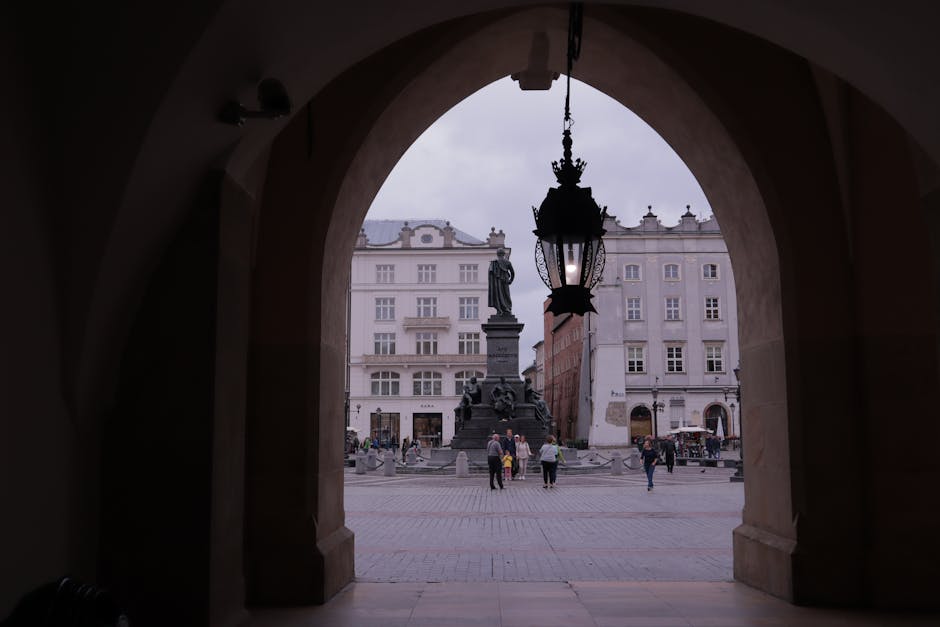






Introduction: Why track Krakow’s annual festivals
Krakow (Kraków) is a city where history, the arts and contemporary life collide in a cultural kaleidoscope. Every year it offers a packed festival calendar that turns squares, churches, concert halls and the banks of the Vistula into vibrant stages. These events draw international visitors while remaining deeply rooted in local life: from early music to cutting-edge electronic, cinema, Jewish culture, street arts, seasonal celebrations and traditional markets — there’s something for every taste and every age.
This detailed guide aims to give you a practical, immersive map of Krakow’s annual festivals: when they take place, exactly where (with full addresses), typical ticket prices in euros (€), usual hours and — most importantly — what to expect on site. Whether you’re a traveler or a curious local, you’ll find portraits of the key events, atmosphere descriptions, tips to make the most of your visit (booking, transport, dress, safety), and logistical pointers (concert venues, main organizers, tourist offices, ticket booths).
What makes Krakow special is how it layers powerful emotional experiences: attending a baroque concert in a basilica on Wawel Hill, watching an auteur film under the lights of an indie cinema, listening to experimental electronics in a revamped warehouse, or celebrating Midsummer with flower wreaths drifting on the Vistula. These contrasts make the annual programming especially rich — during a single few-day stay you might catch early music, avant-garde cinema and folkloric celebrations.
This guide is organized to be both a practical calendar and a set of event portraits. It covers major happenings — chosen for attendance and cultural significance — and gives concrete details: exact addresses (e.g. Rynek Główny 1, 31-042 Kraków), indicative prices in euros (€), typical hours and local tips (best day to avoid crowds, transport recommendations, nearby restaurants). The prices shown are estimates based on recent public rates and may vary depending on programming or ticketing method (advance sale, packages, local deals).
Expect practical recommendations too: when to buy tickets, which transport cards to use (Kraków Travel Card, bilety MPK), how to behave in churches converted into concert venues, and rules for photographing at religious or private events. This guide also includes visual markers 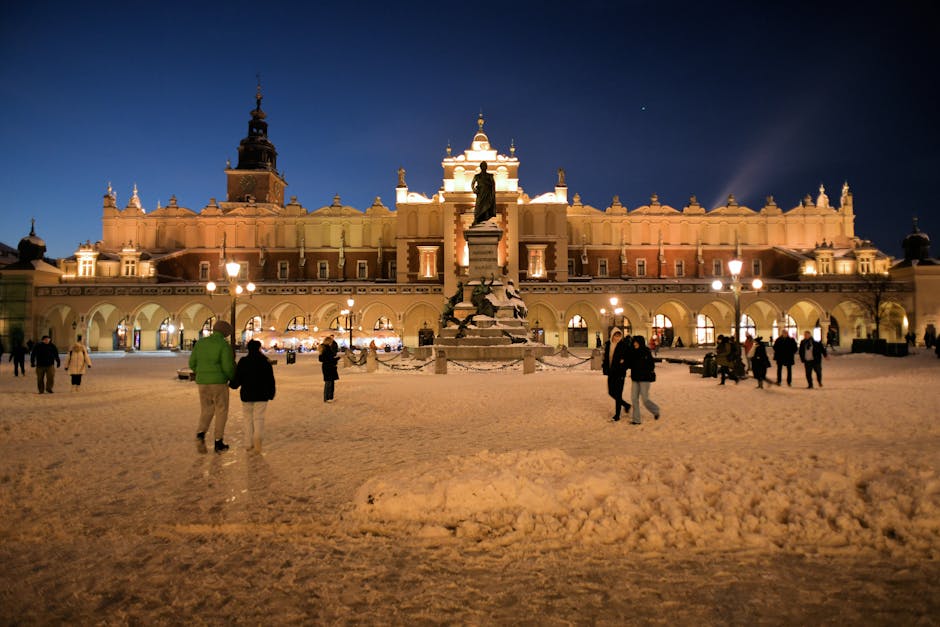 to help you picture each atmosphere — perfect for planning photos and routes.
1 — General calendar and monthly guide: what, when and where
Krakow follows a relatively stable festival rhythm: many events return each year around the same dates, which makes planning easier. Here’s a month-by-month overview of unmissable events, with precise venues, addresses and practical notes.
- January – February: Chamber music and classical seasons. Example: Kraków Philharmonic – Polish National Philharmonic Orchestra, ul. Zwierzyniecka 1, 31-105 Kraków. Tickets: roughly €20–75 depending on seat. Hours: evening concerts, typically 19:00–21:30. Booking recommended at www.filharmonia.krakow.pl.
- April: Easter and religious processions in the Old Town and on Wawel Hill (Wawel Castle, Wawel 5, 31-001 Kraków). Many services are free; museums and exhibitions at Wawel Castle charge around €6–15 (approx.). Visiting hours: 09:00–17:00 depending on season.
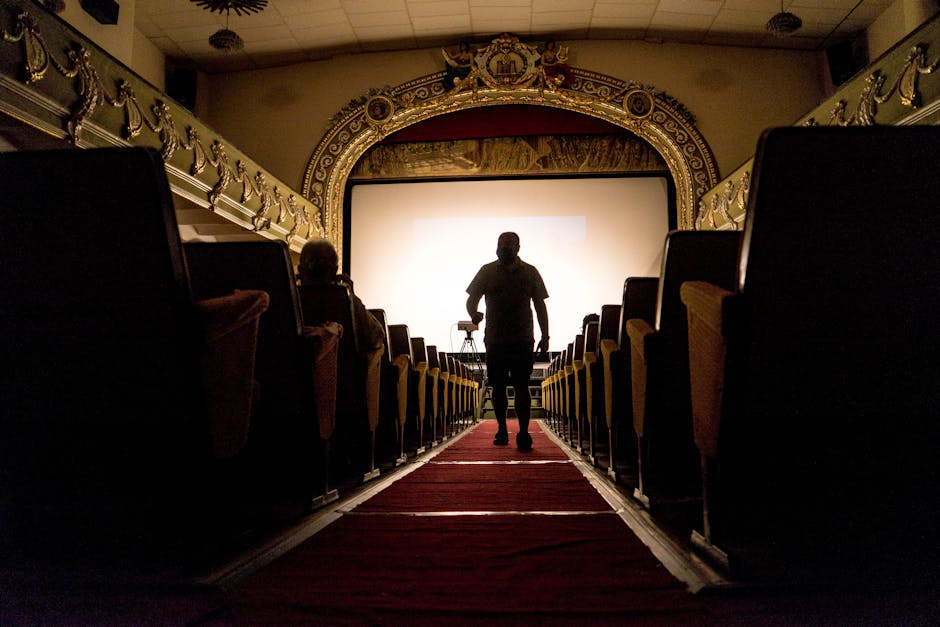
- Late May – June: Kraków Film Festival, sometimes in late May; Kino Pod Baranami, Rynek Główny 27, 31-042 Kraków. Tickets: €6–12 per screening, festival passes available. Hours: afternoon to evening screenings (12:00–22:30).
- Late June – July: Wianki (Midsummer Night), a large popular festival along the Vistula by Wawel / Bulwar Kurlandzki. Most activities are free; main stage concerts may be ticketed (€10–40). Festivities start around 18:00, fireworks at about 22:30.
- Late June – July: Jewish Culture Festival (Festival Kultury Żydowskiej), Kazimierz District. Venues: multiple — Tempel Synagogue, ul. Miodowa 24; Isaac Synagogue (ul. Izaak 18). Events both free and ticketed (€10–30). Hours: daytime workshops and concerts, evening shows (14:00–23:00).
- September: Unsound Festival (experimental electronic music), venues like Zakrzówek Quarry, ul. Zakrzówek 6, 30-394 Kraków and ICE Krakow Congress Centre, Plac Wszystkich Świętych 1, 31-004 Kraków. Festival pass: €60–180. Night programming typically runs 20:00–04:00.
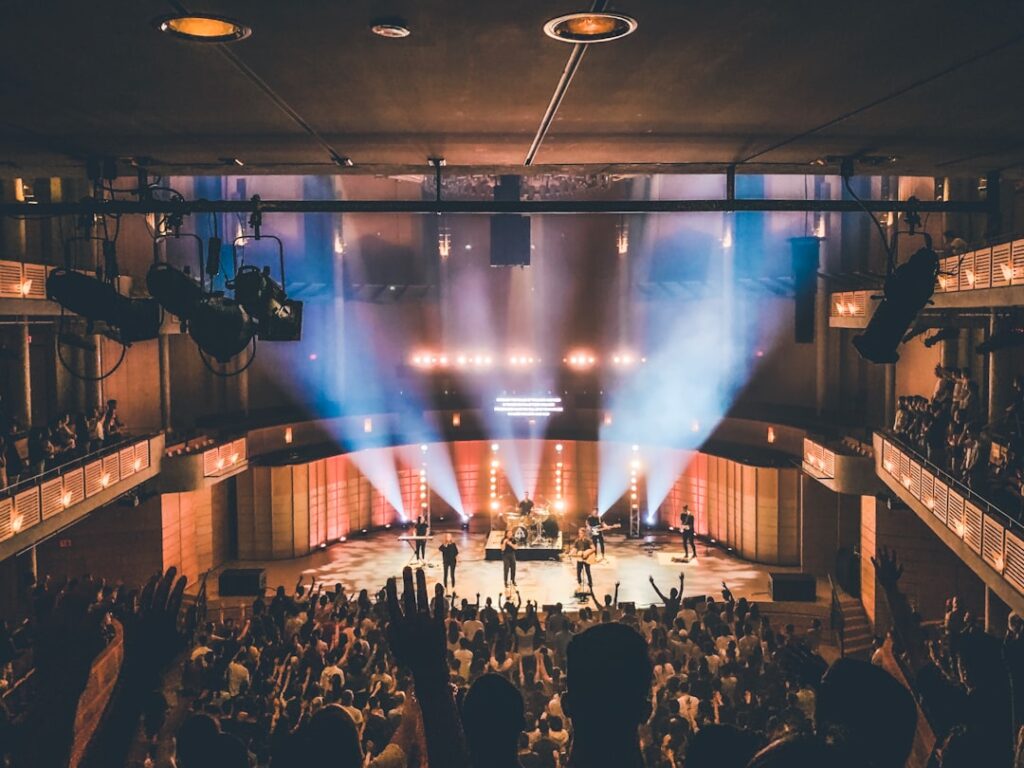
- October: Sacrum Profanum (contemporary music), main venues: Kraków Philharmonic (ul. Zwierzyniecka 1) and churches such as St. Catherine’s Church (ul. św. Katarzyny 9). Prices: €12–50 per concert.
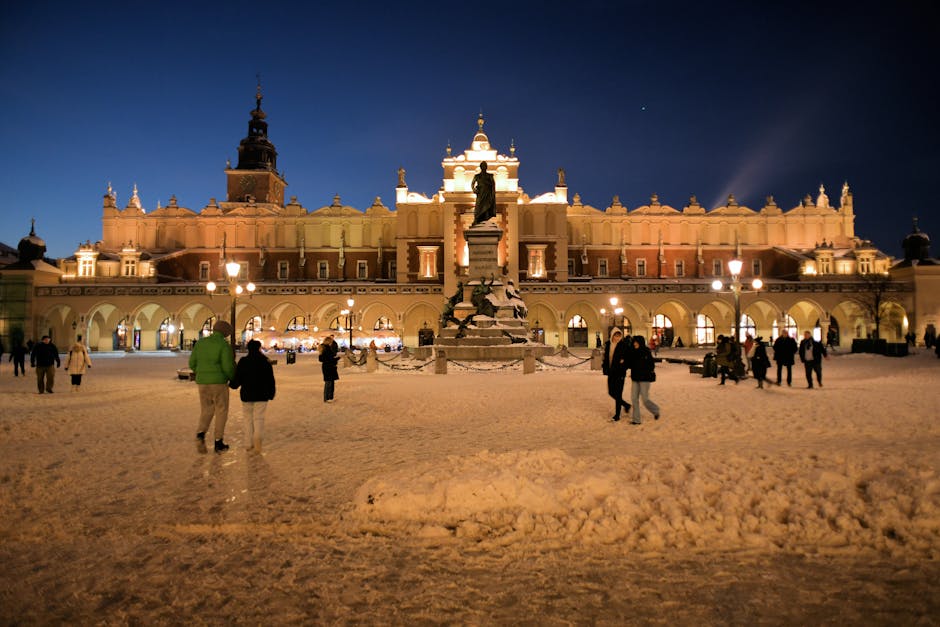
- November – December: Kraków Christmas Market, Rynek Główny 1–3, 31-042 Kraków. Market runs from late November to the end of December. Stalls sell crafts, food and drinks; free entry. Hours: 10:00–20:00 on weekdays, often later at weekends.
Logistics tips: for major festivals buy tickets in advance (combo passes sell out fast). Use MPK Kraków trams and buses (lines vary by event); most venues are walkable from the Old Town (Rynek Główny). For concerts in churches or historic sites, follow the rules (silence, no photos at certain performances). The euro prices above are estimates based on 2024 rates and currency conversions; allow for extra fees for online booking or exchange commissions.
2 — Music festivals: from classical to contemporary
Krakow’s music scene ranges from symphony orchestras to experimental electronica. Key events include the International Festival of Sacred Music, Sacrum Profanum, Unsound, and the Kraków Philharmonic concert series.
Kraków Philharmonic – Polish National Philharmonic
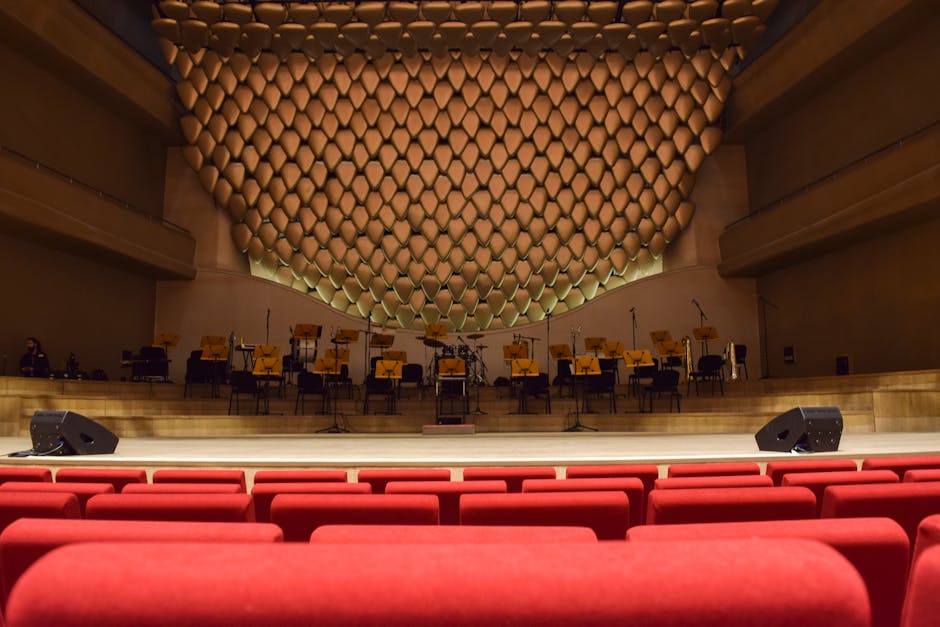
Address: ul. Zwierzyniecka 1, 31-105 Kraków. This hall is the heart of classical music in the city: superb acoustics and a program mixing symphonies, chamber operas and international soloists. Tickets: approx. €20–75 depending on seat and event. Hours: performances usually at 19:00 on weekdays, with some Saturday matinées at 11:00. Gala evenings or premieres can run until 21:30–22:00.
Description: the building sits a few minutes’ walk from Wawel and the university quarter. Expect a formal auditorium where smart casual attire is appreciated though not mandatory; for baroque concerts, balcony seats offer a more intimate experience. Buy tickets online via the official site; at the box office arrive 30–45 minutes early to pick the best available seats.
Unsound Festival (experimental electronic)
Venues: various — ICE Krakow Congress Centre (Plac Wszystkich Świętych 1, 31-004 Kraków), Klub Studio (ul. Budryka 4), Zakrzówek Quarry (ul. Osiedle Podwawelskie / ul. Wybrzeże 26). Dates: late September (variable). Tickets and passes: daily tickets €20–60, festival pass €60–180 (approx.). Hours: evening programs 20:00–04:00, daytime events 14:00–19:00.
Description: Unsound has built a reputation for innovation, blending sound installations, concerts, conferences and late-night parties. The Zakrzówek site, a former quarry, provides a dramatic backdrop for electronic music and visual shows. Evenings take place in unconventional venues (warehouses, old factories); wear sturdy shoes and bring a jacket for cool outdoor nights. Passes often include access to talks and presentations.
Sacrum Profanum and contemporary music festivals
Venues: Kraków Philharmonic (ul. Zwierzyniecka 1), historic churches such as St. Catherine’s Church (ul. św. Katarzyny 9). Prices: €12–50 per concert, series passes available. Hours: varied, evenings 18:00–22:00. Description: Sacrum Profanum focuses on contemporary creations and commissions for living composers. Concerts in churches create a unique acoustic immersion; attentive listening and respect for silence are essential.
Local tips: if you plan to attend multiple concerts, consider a subscription or festival pass. Student culture cards (ISIC) and senior discounts are often accepted. Check whether admission includes a printed program (handy for tracking titles and performers) and whether cloakroom options exist for winter coats.
3 — Cultural and heritage festivals: Jewish Culture Festival, Wianki and religious celebrations
With its Jewish heritage and complex religious history, Krakow hosts festivals that are both commemorative and celebratory. Atmospheres shift between reflection and street-party, offering intellectual and sensory experiences alike.
Jewish Culture Festival (Festival Kultury Żydowskiej)
Main venue: Kazimierz District (historic Jewish quarter). Key addresses: Tempel Synagogue, ul. Miodowa 24, 31-055 Kraków; Old Synagogue (Stara Synagoga), ul. Szeroka 24, 31-053 Kraków. Dates: usually late June–early July. Tickets: concerts €10–30; most exhibitions and street activities are free. Hours: daytime events 10:00–18:00, evening concerts 19:00–23:00. 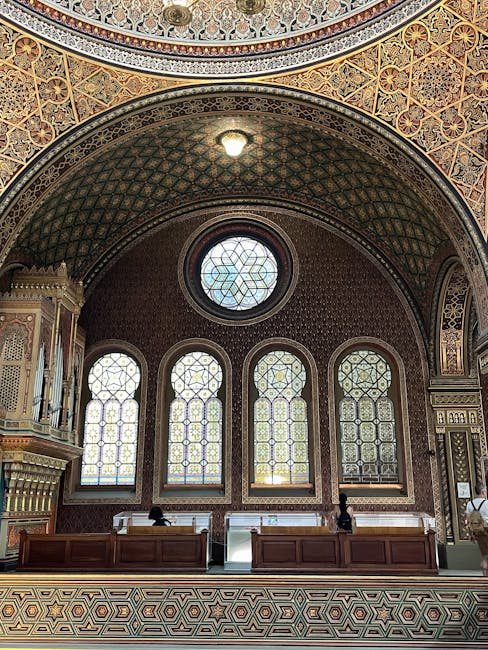
Description: the festival features klezmer music, lectures, screenings and workshops. Concerts in historic synagogues pair sacred acoustics with often deeply moving programs. Food stalls sell Ashkenazi dishes: kugel, a local take on gefilte fish and challah. The festival emphasizes memory and transmission; many forums include talks between artists and historians.
Wianki — Midsummer Night on the Vistula
Venue: Vistula riverbanks, around Wawel and Bulwar Kurlandzki. Landmark: Wawel Castle, Wawel 5, 31-001 Kraków. Date: St. John’s Eve (typically late June). Entry: most activities are free, but headline concerts may be ticketed (€10–40). Hours: entertainment from 18:00, concerts and fireworks between 21:30 and 23:00. 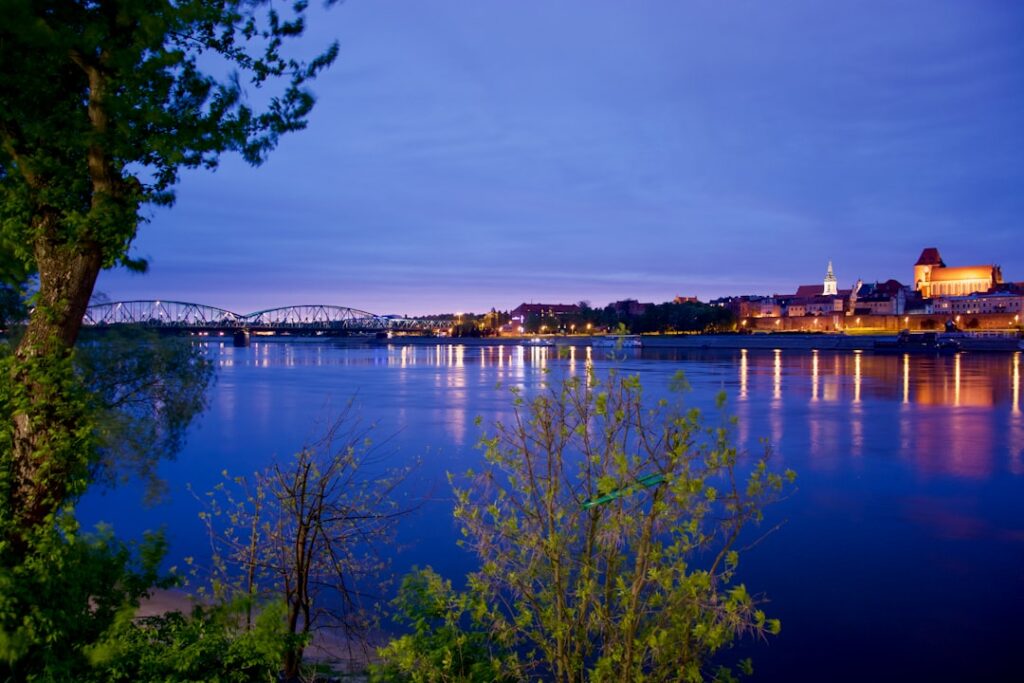
Description: Wianki blends ancient rituals (flower wreaths set afloat), pop/folk concerts on big stages and craft markets. The vibe is festive and family-friendly. The riverbanks fill up fast; arrive early for front-row spots. Bring waterproof clothing if the weather’s uncertain — the outdoor event can get muddy along the banks.
Religious celebrations and holy days
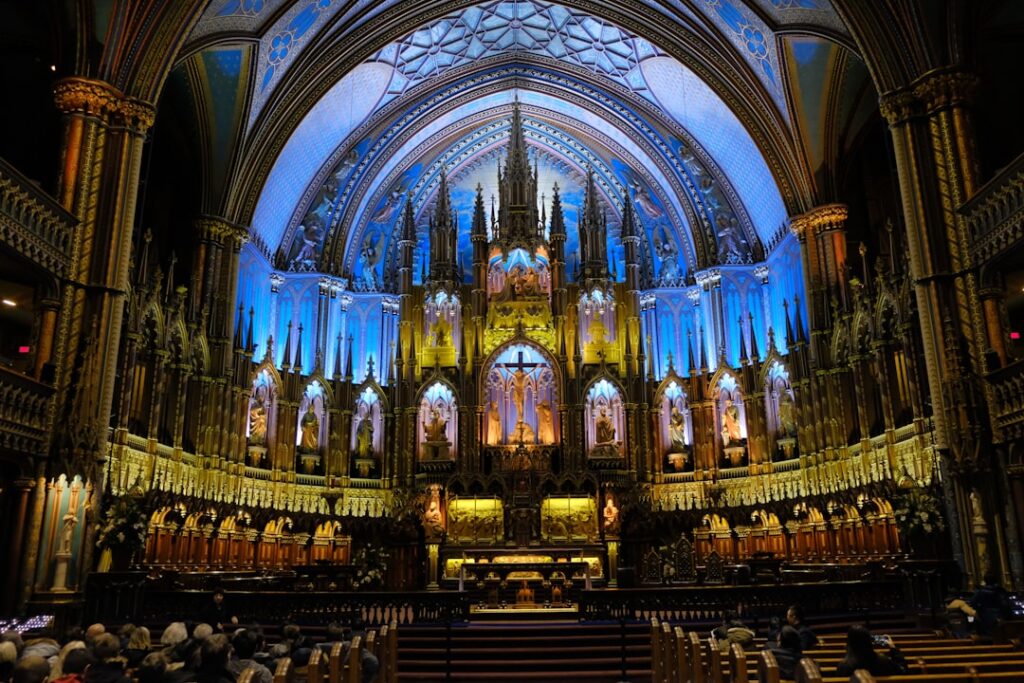
Krakow is a pilgrimage city: services at St. Mary’s Basilica (St. Mary’s Basilica, Plac Mariacki 5, 31-042 Kraków) and Wawel take on special resonance at Easter, Assumption and Christmas. To attend musical services, arrive 60–90 minutes before start to secure a good seat. Paid sacred concerts in historic settings (prices €8–25) often combine liturgy and music. Always respect silence rules and dress codes in these venues.
Local tips: for Wianki and outdoor festivals use alternative routes to avoid road closures (apps like JakDojade or Google Maps help). In Kazimierz, walk between the Tempel Synagogue and Plac Nowy (ul. Estery / ul. Szeroka) to sample concerts and street food. At night, prefer official taxis (phone +48 12 422 22 22 – Taxi Kraków) or licensed ride-hailing services; be cautious of unlicensed drivers after late concerts.
4 — Film, book and visual arts festivals
Cinema and literature have a prominent place in Krakow. The Kraków Film Festival and literary gatherings draw critics, filmmakers, writers and readers. Venues range from auteur cinemas to modern cultural centers.
Kraków Film Festival & Kino Pod Baranami
Main venue: Kino Pod Baranami (Rynek Główny 27, 31-042 Kraków) and Kino Kijów.Centrum (ul. Floriańska 25). Dates: late May / early June for the Kraków Film Festival (variable). Prices: €6–12 per screening; festival pass €30–120. Hours: afternoon to evening screenings (12:00–22:30). 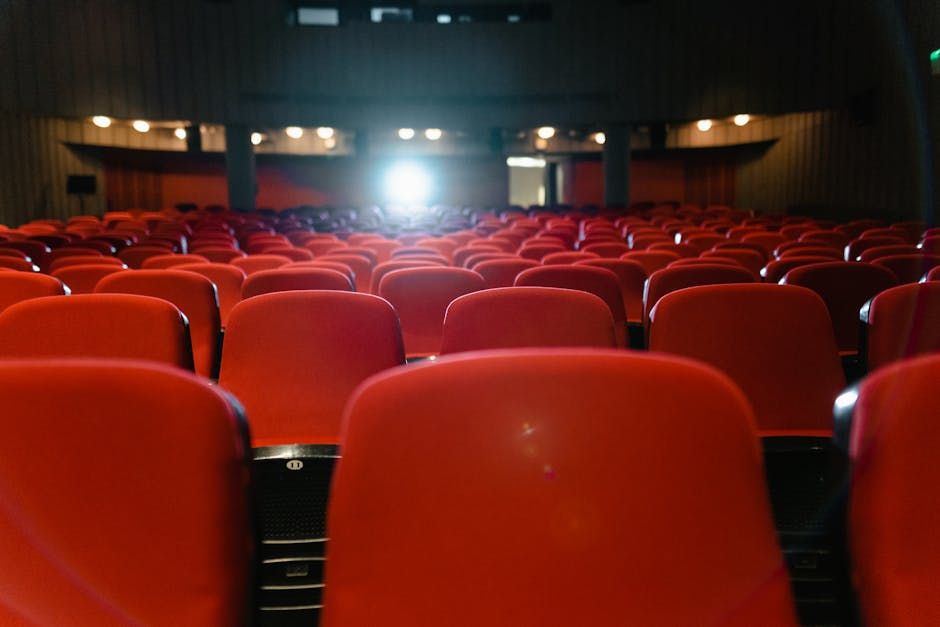
Description: the festival showcases shorts and feature films, documentaries and animation, often in international competition. Screenings take place in rooms with varying acoustics and capacities; some sessions include Q&As with filmmakers. For original-language films expect Polish or English subtitles. Buy tickets online for high-demand screenings and arrive 20–30 minutes early.
Conrad Festival and literary meetings
Venues: Jagiellonian Library and multiple cultural spaces (e.g. Klub Kultury Rotunda, ul. Karmelicka 4). Dates: autumn. Tickets: most literary events are free or cost €5–15. Hours: daytime panels 10:00–18:00, evening readings 19:00–21:00. Description: talks, readings and workshops with Polish and international authors. Arrive early for popular sessions; some events require prior registration at the door.
Galleries and exhibitions during festivals
Major festivals often include exhibitions at MOCAK Museum of Contemporary Art (ul. Lipowa 4, 30-702 Kraków) and Cricoteka (ul. Nadwiślańska 2–4). MOCAK tickets: €6–10; hours: 10:00–18:00. Temporary shows frequently accompany performances or conferences, adding a visual layer to screenings and readings.
Practical tips: if you plan to attend several screenings or literary panels, check for combined passes. Bring earplugs for crowded discussions and a notebook for recommendations. Independent university-area bookstores often host signings and sell English translations.
5 — Street festivals, seasonal markets and family events
Beyond specialized festivals, Krakow buzzes year-round with markets, neighborhood fairs and family-friendly activities. These are perfect for travelers with kids or anyone who wants to dive into everyday city life.
Kraków Christmas Market (Rynek Główny)
Address: Main Market Square, Rynek Główny 1–3, 31-042 Kraków. Period: late November to end of December. Entry: free. Hours: 10:00–20:00 (may vary; some stalls open until 22:00 on weekends). Description: wooden chalets, handmade goods (pierniki cookies, glass ornaments, jewelry) and food specialties: grilled oscypek (smoked mountain cheese), mulled wine (grzane wino), waffles (gofry). Estimated budget: meals €5–15 per person. 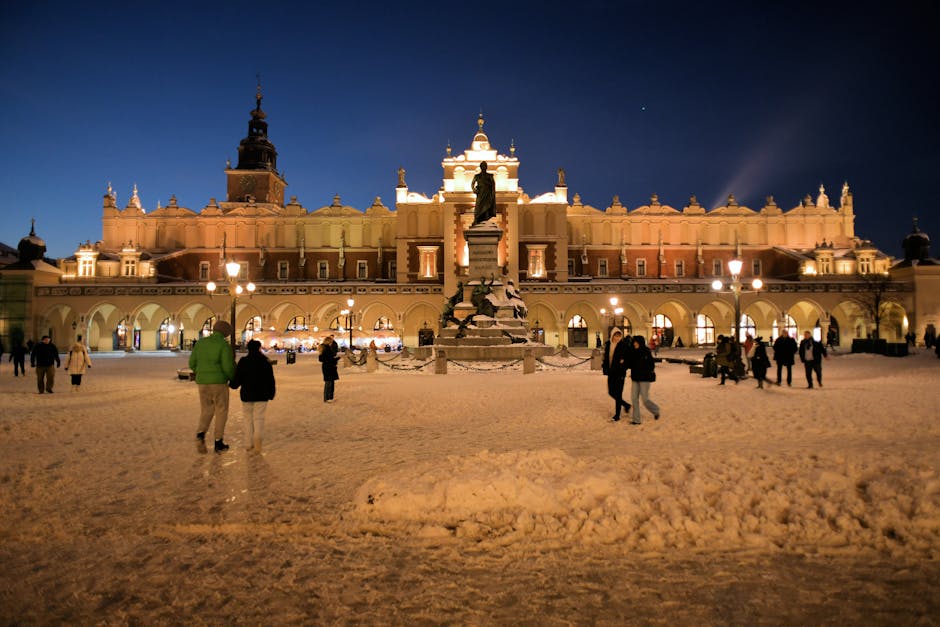
Plac Nowy market and street food
Address: Plac Nowy 1, 31-056 Kraków (Kazimierz). Day market and food trucks in the evening. Prices: street food €3–8 per portion. Hours: stalls open 11:00–22:00. It’s the ideal spot to sample local specialties in a relaxed atmosphere.
Festival of Street Theatre and arts
Venue: streets of the Old Town and Kazimierz, often gathering at Rynek Główny (Main Market Square). Dates: summer (June–August). Tickets: most street performances are free; indoor shows may be ticketed (€10–20). Hours: afternoon to early evening (15:00–21:00). Description: puppetry, jugglers and street theatre — a great family outing. Stay alert for pickpockets in busy tourist areas and note the barriers set up during shows.
Local tips: for seasonal markets bring a reusable bag and small change — some vendors take cards but not all. In summer favor daytime markets with children; at night stick to well-lit areas like Rynek Główny and Kazimierz. For outdoor events check the weather and pack a small blanket to sit on the riverbank during Wianki or a riverside concert.
Conclusion: How to plan to make the most of Krakow’s festivals
Planning a trip to Krakow around its annual festivals takes a bit of foresight but delivers rich cultural rewards. This guide has offered a practical overview: month-by-month calendar, exact venues (Rynek Główny 1–3, ul. Zwierzyniecka 1, Plac Wszystkich Świętych 1, ul. Miodowa 24, ul. Lipowa 4, etc.), ticket price ranges in euros, typical hours and on-the-ground tips. To recap the essentials:
- Buy early: for Unsound, Kraków Film Festival and Philharmonic concerts, tickets sell out — go through official online box offices.
- Consider a pass: if you plan to attend multiple events within a festival, passes are usually more cost-effective.
- Transport: use MPK trams/buses or walk — the Old Town is compact; for outlying sites (Zakrzówek) arrange an official taxi for late nights.
- Respect venues: in churches and synagogues turned performance spaces, be discreet and don’t photograph without permission for some shows.
- Local budget: allow €5–15 for a market snack, €20–75 for classical concerts, and €10–60 for contemporary music festivals depending on the pass you choose.
Krakow offers a festival scene where past and present constantly converse. From the lanes of Kazimierz to large venues like ICE Krakow Congress Centre, from medieval churches to repurposed industrial quarries, each event reveals a facet of the city’s soul. By organizing around the practical details (times, addresses, prices) you’ll not only attend performances but also understand the historical and social context that shapes them. And leave room in your itinerary for the unexpected: a spontaneous street parade, an impromptu riverside concert, or a poetic reading in a small bookstore can turn into the most memorable moments of your trip.
Happy planning and enjoy the festivals in Krakow — whether you’re a music lover, cinephile, history buff or food traveler, the city promises genuine encounters and unforgettable moments.