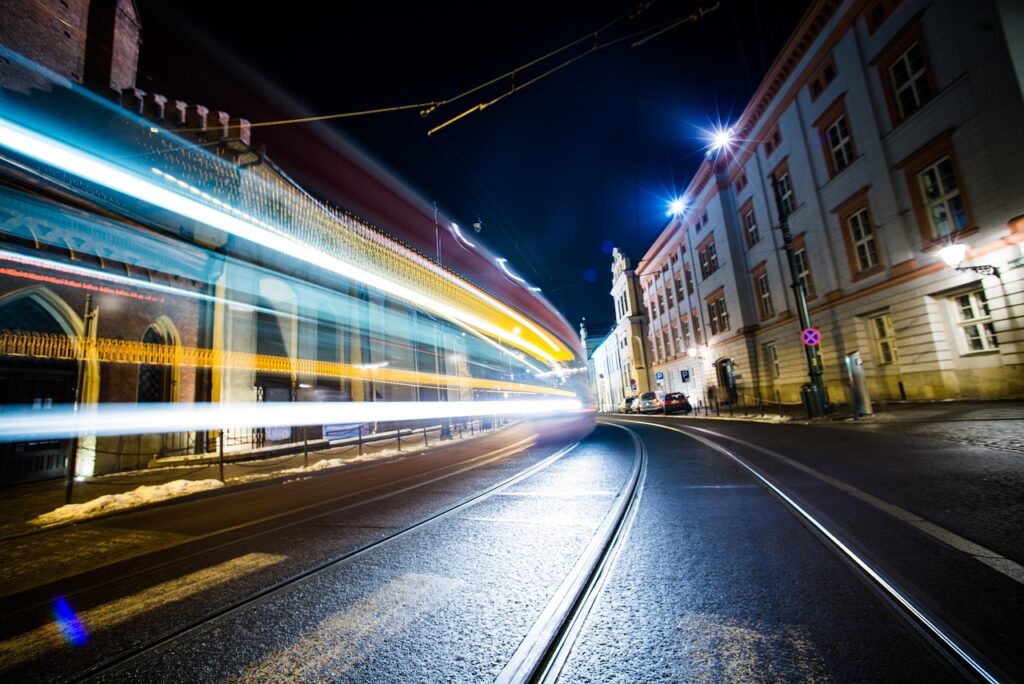






Introduction — Why explore Krakow by tram
Exploring Krakow by tram is one of the most authentic, convenient and visual ways to immerse yourself in daily life in Poland’s second-largest city. Kraków’s tram network (MPK Kraków) links the main tourist hubs — the Old Town (Stare Miasto), the Jewish quarter of Kazimierz, Wawel Hill, the redeveloped industrial district of Nowa Huta and more — offering short, frequent and often scenic rides along the Wisła (Vistula) river. For travelers who like to mix comfort, savings and quick orientation, the tram is ideal: it gets you to off-the-beaten-path spots, lets you take in local architecture and provides handy stops for wandering, checking out an exhibit or popping into a café.
This guide offers essential routes to take by tram, with precise addresses, sample schedules, prices in euros and local tips to make the most of each outing. Whether you’re in Krakow for a weekend or a week, each route is designed to be doable in a half-day or a full day, combining transport, walking and sightseeing time. Practical info includes recommended starting points (for example Dworzec Główny — the main station), useful stops, nearby museums and monuments, and tips for buying and validating tickets (single tickets, 24/48/72-hour passes).
Fares and schedules here are shown in euros to help international planning: prices are indicative and can vary slightly with exchange rates and updates from local authorities (MPK Kraków). As a rule, trams run from early morning until late at night (with alternative night bus services), and frequency is high during peak hours. Note: for tourist travel, a 24-hour ticket can be very cost-effective, and using the official MPK mobile app or the site mpk.krakow.pl lets you check real-time schedules and route maps.
Across the routes below, I don’t just explain how to get from A to B, I point out what to see once you’re there: the best viewpoints, recommended cafés, museum opening times, exact addresses (street, number, postal code) and shortcuts to avoid queues. Each section includes immersive recommendations, local food suggestions and alternatives if you want to extend the visit. Bring a valid ticket, comfortable walking shoes and a camera: tram rides are as much an urban experience as they are practical connections.
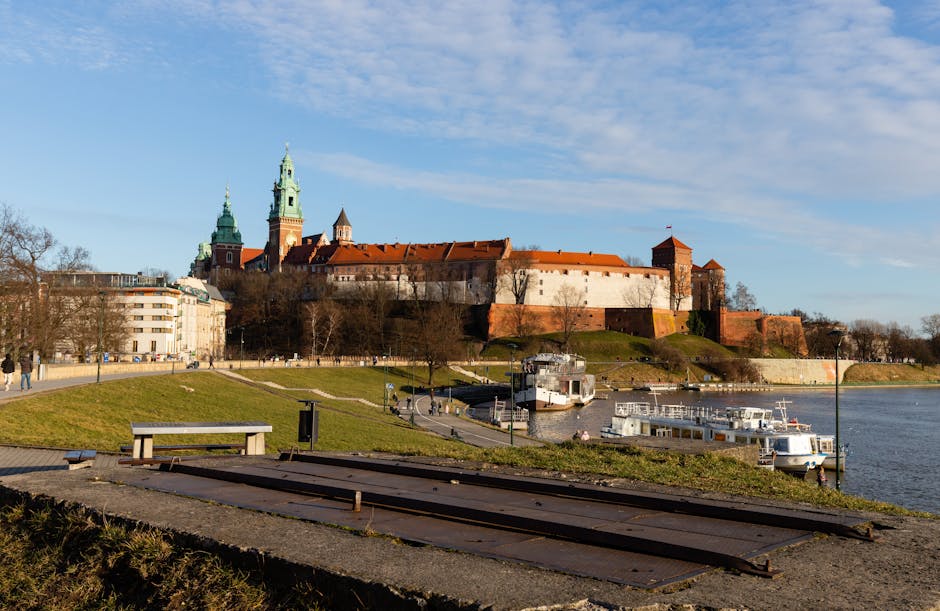
Route 1 — Old Town, Wawel and the Vistula riverbanks (royal quarter)
This route concentrates Krakow’s historic highlights reachable by tram from Dworzec Główny (Main Station). Recommended starting point: the Dworzec Główny Tunel stop (Plac Jana Nowaka-Jeziorańskiego 1, 31-154 Kraków). From the station, catch a tram toward the center — most lines that serve downtown stop at Plac Wszystkich Świętych or Teatr Słowackiego; get off at Wawel to approach the royal hill.
Wawel (Wawel Royal Castle, Wawel 5, 31-001 Kraków) is the historic heart: palaces, the cathedral (Katedra Wawelska) and wide views over the Vistula. Opening hours: the Royal Castle is generally open 9:30–16:00 (closing times vary by exhibition), while Wawel Cathedral is usually accessible more broadly (typically 7:30–18:00). Admission (indicative): castle collections ticket €7–10 depending on the section; guided tours or combined tickets €12–18. Tip: buy tickets on the official Zamek Królewski na Wawelu website to avoid queues.
After visiting the hill, head down to the Vistula riverbanks (Bulwary Wiślane). A riverside stroll offers great photo views of the castle and bridges. Nearby tram stop: Wawel (if that stop isn’t available, get off at Plac Wszystkich Świętych or Stradom and walk 5–10 minutes). The cafés along the boulevards serve local drinks and dishes; try a Polish coffee and a slice of sernik (Polish cheesecake).
To round off the morning, walk to the Rynek Główny (Main Market Square, Plac Mariacki 1, 31-042 Kraków): about 10–15 minutes on foot from Wawel through the Stare Miasto neighborhood. On the square, visit St. Mary’s Basilica (St. Mary’s Basilica, Plac Mariacki 5, 31-042 Kraków). Opening hours: churches are typically open 10:00–18:00; there’s a small fee to climb the tower (around €2–3). The Sukiennice (Cloth Hall) houses craft shops and the National Museum’s photography collection on the second floor. Plan 1–2 hours in the area.
Local tips: validate your ticket before boarding (fines and inspections are common). If you’d like to avoid crowds in the Rynek, visit in the morning (8:00–10:30) or in the evening after 19:00. Trams provide interesting views as you approach the center — sit by the window to photograph the theater façade and historic buildings.
Route 2 — Kazimierz, Jewish history and neighborhood eats
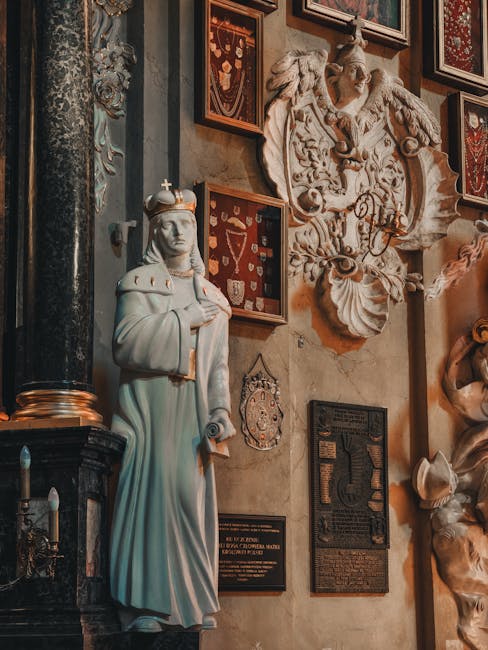
Kazimierz, Krakow’s former Jewish quarter, is a cultural and culinary must-see. The tram gets you there quickly from the historic center and drops you into narrow streets, synagogues, cafés and street art. Suggested starting points: Teatr Słowackiego or Plac Wszystkich Świętych in the center to catch a tram heading toward Kazimierz (check lines that go toward Komuna Warszawska / Kazimierz).
Recommended stop: Plac Wolnica (Plac Wolnica, 31-060 Kraków) — this square is the heart of Kazimierz, with a market, cafés and St. Catherine’s Church nearby. A short walk away: the Remuh Synagogue and the Jewish cemetery (ul. Szeroka 40, 31-053 Kraków). Opening hours: most synagogues are open to the public between 10:00 and 16:00; some guided tours run later in the afternoon. Price: entrance to the cemetery and Remuh Synagogue is roughly €2–4 (depending on restrictions and donations).
Don’t miss the POLIN Museum of the History of Polish Jews — though POLIN is in Warsaw, in Krakow you should visit the Oskar Schindler’s Enamel Factory instead. In Kazimierz, check out the Jewish gallery Galeria Kancjon (ul. Szeroka 24) and the various galleries and antique shops. For food, try:
- Restauracja Starka (ul. Józefa 14, 31-056 Kraków) — traditional Polish fare and local vodkas; typical prices: dishes €8–15.
- Hamsa (ul. Szeroka 18) — Israeli-Mediterranean cuisine, tapas and mezze; dishes €6–12.
For history buffs, continue on foot to the Oskar Schindler’s Enamel Factory (Oskar Schindler’s Enamel Factory, ul. Lipowa 4, 30-702 Kraków). Although it sits on the border between Podgórze and Kazimierz, the factory is reachable by tram or a 20–25 minute walk. Hours: typically 10:00–18:00 (closed some days or open later in season). Admission: around €6–10 (expect extra for temporary exhibitions). Important: book ahead in high season.
Local tips: Kazimierz really comes alive in the late afternoon and evening, when cafés fill up and live music starts (especially on ul. Krakowska and ul. Szeroka). Trams run frequently until about 22:30; after that, take a short taxi ride or a night bus. For photos, look out for murals and small inner courtyards, often warmly lit in the evening.
Route 3 — Nowa Huta: socialist architecture and green spaces
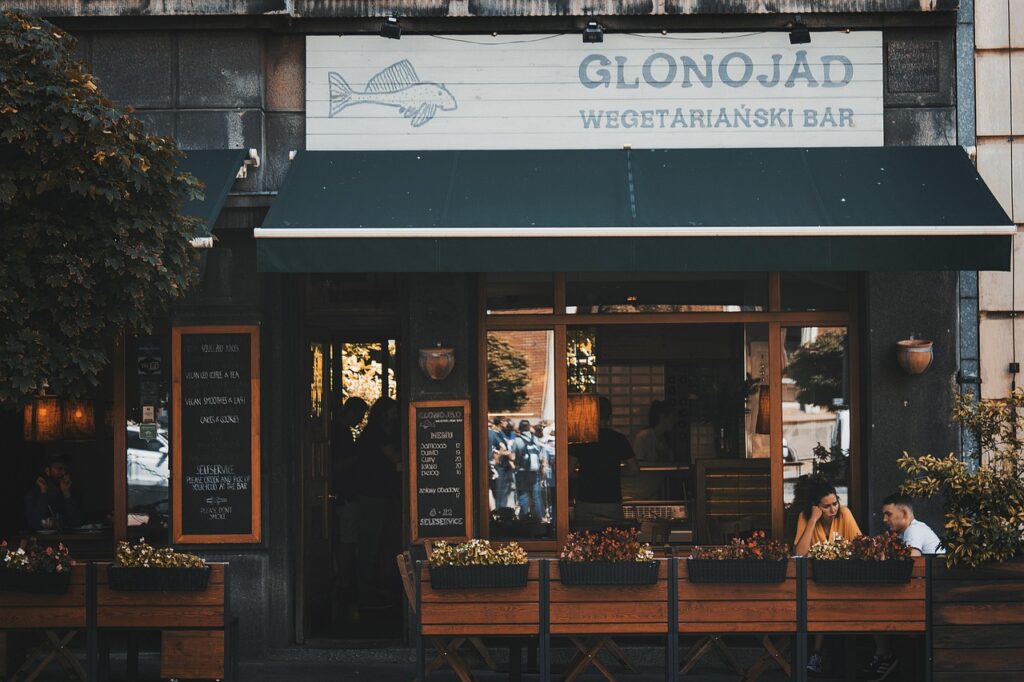
Nowa Huta is a socialist urban utopia turned lively, intriguing neighborhood. Planned as a « new town » during post-war reconstruction, Nowa Huta features wide avenues, monumental squares and distinctive brutalist architecture. The tram is the easiest way to get there from the center: take a tram toward Nowa Huta (lines serving Aleja Pokoju / the central roundabout per the MPK map) and get off at Plac Centralny.
Key points of interest:
- Plac Centralny (Central Square, al. Jana Pawła II / central roundabout) — the heart of Nowa Huta, surrounded by administrative buildings and cafés.
- Aviation Museum and local museums (check temporary exhibitions) — addresses vary by event.
- Arka Pana Church (Kościół Arka Pana, os. Szkolne 11, 31-940 Kraków) — contemporary sacred architecture; interior visits possible depending on services.
Hours: Nowa Huta is an active residential area — shops generally open early (8:00–20:00) and some cafés stay open later (season-dependent). Museums and exhibits have variable hours; check online for specific shows. Prices: most on-site wandering is free (strolling, square visits), while local museums charge about €3–7.
Sample half-day itinerary:
- Start at the Main Station (Dworzec Główny) -> tram direct to Nowa Huta (25–35 minutes depending on line and traffic).
- Get off at Plac Centralny: stroll the square, grab coffee and take photos.
- Walk or take a short tram ride to os. Teatralne and visit Arka Pana (if open).
- Return via local parks and the Zakrzówek lake area (if accessible) for a nature break.
Local tips: bring water and a local map — Nowa Huta can be spread out and distances between sites may surprise you. The area is particularly interesting for architecture photographers and fans of industrial history. For an authentic meal, look for « milk bars » (bar mleczny), inexpensive Polish canteens: full meals for €3–6.
Route 4 — Vintage trams and technical museums: a ride for enthusiasts
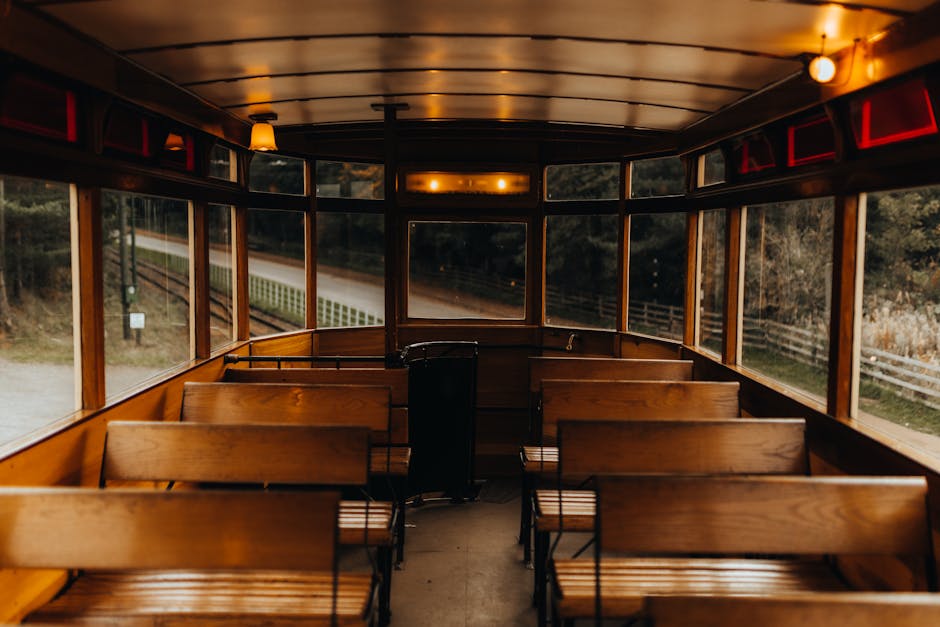
For transport and industrial history fans, a day focused on trams and technical museums is a great choice. Start at the Muzeum Inżynierii Miejskiej w Krakowie (Museum of Municipal Engineering in Krakow, ul. Św. Wawrzyńca 15, 31-060 Kraków) — the museum displays historic trams, vintage cars and old urban technologies. Hours: 10:00–17:00 (check opening days); indicative price: €3–6.
Recommended route:
- Take a tram to the Dominikański or Bracka stop depending on your route; then walk to ul. Św. Wawrzyńca.
- Visit the museum (1–2 hours) to see historic rolling stock and exhibitions on the evolution of the MPK Kraków network.
- Continue on a line that runs along the river to observe modern tram lines, then head to Podgórze to see railway bridges and converted industrial sites.
- Finish with a break in a café near Zabłocie, a rapidly changing neighborhood with galleries and restaurants (ul. Zabłocie 23A is a good landmark: cafés and modern galleries).
Tram fares and schedules: daytime trams typically run 5:00–23:30 with a frequency of 5–15 minutes during the day; the network connects to peripheral neighborhoods. Indicative ticket fares: short ticket 20 minutes ~€0.70; 60-minute ticket ~€1.30; 24-hour ticket ~€4.50; 72-hour ticket ~€11.50. Buy from ticket machines at major stops or via the MPK Mobile app (card or mobile payment). Validation: validate your ticket in the yellow machines on board or at terminals before boarding if available.
Local tips: if you’re lucky, you might spot a historic tram in service during special events — check the museum and local tram enthusiast groups for event calendars. For souvenirs, the museum shop sells postcards and specialized guides.
Conclusion — Practical tips and a recommended full-day plan
In short, Krakow is best discovered by tram: the network is dense, rides are short and every line offers a different perspective on the city — from royal palaces and Jewish quarters to socialist architecture and technical museums. For a « perfect » full day, I recommend combining two routes: start the morning in the Old Town and at Wawel (arrive early to beat the crowds), have lunch in Kazimierz and spend the afternoon exploring synagogues, galleries and the Schindler Factory. End the day with a tram ride to the Vistula’s edge for a spectacular sunset over Wawel.
Practical reminders: buy and validate your tickets (inspections are frequent), check real-time schedules via the MPK app or the stop displays, wear walking shoes and have some cash or a card ready for ticket machines. Indicative hours: daytime trams 5:00–23:30; some museums 10:00–18:00; 24h and 72h tickets recommended depending on your stay. Prices in euros are approximate: 20-min ticket ~€0.70, 60-min ~€1.30, 24h ~€4.50, 72h ~€11.50, museum tickets €3–12 depending on exhibitions.
Final local tips: avoid rush hours if you want seats and crowd-free photos (morning 7:30–9:00 and late afternoon 16:30–18:30). Ask drivers or MPK staff for directions if you’re lost — most are helpful and will point out the exact stop. And leave room for spontaneity: Krakow is also best enjoyed by hopping off at the next stop for a gallery, park or typical café. Safe travels and enjoy the rides — every tram stop is an invitation to explore.