





Introduction — Getting around Kraków: practical overview and essential tips
Kraków (Kraków), Poland’s former royal capital, is best explored on foot, by bike, and via a dense public transport network made up of trams (tramwaje) and buses (autobusy). This complete guide will help you navigate the city’s historic neighborhoods — Stare Miasto (Old Town), Kazimierz (the former Jewish quarter), Podgórze and Nowa Huta — with exact addresses, prices in euros, typical timetables, sample routes and local tips. Whether you’re a short‑term visitor, an expat, or a business traveler, knowing the tram and bus lines, key stops, ticketing and bike rental options will make your stay smoother and more enjoyable.
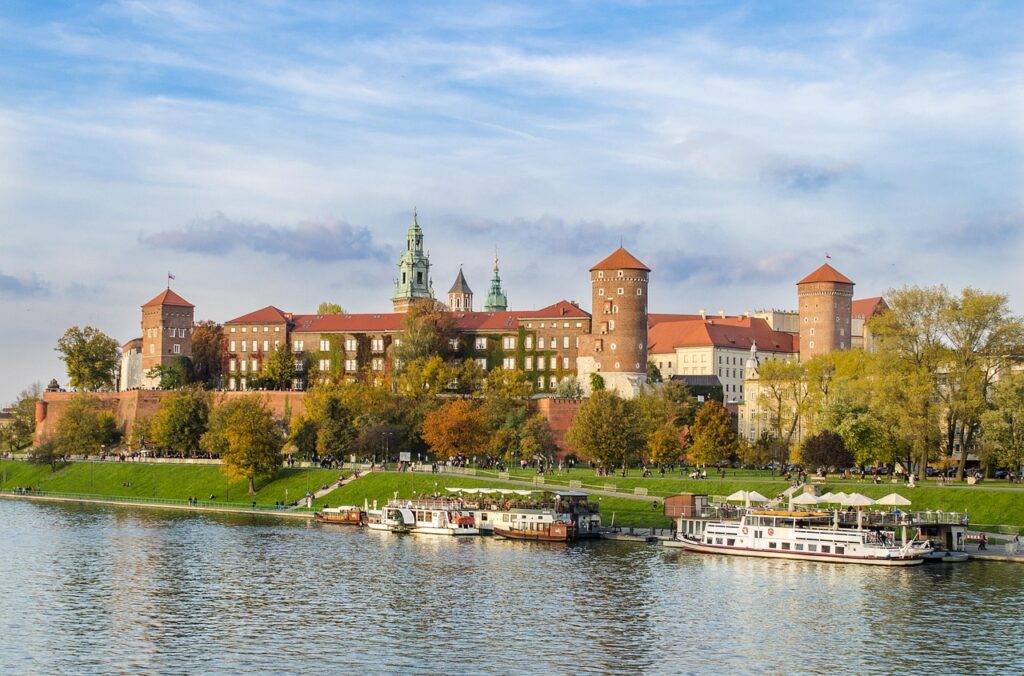
The city centre is compact: from the famous Main Market Square (Rynek Główny) to the Vistula riverside (Wisła) and Wawel Castle, most sights are walkable. That said, for trips to peripheral spots like John Paul II Kraków–Balice Airport (Port lotniczy Kraków-Balice), the industrial Nowa Huta district or hotels on the outskirts, trams and buses remain the most practical and economical options. Trams offer fast, frequent journeys along major corridors while buses fill in gaps — especially at night and on suburban routes. Bike‑share systems — the municipal Wavelo and private operators — are a great way to combine speed and fun, particularly in spring and summer.
This guide includes concrete examples: how to catch a tram from the main station Dworzec Główny PKP (Plac Jana Pawła II 3, 31-157 Kraków), which night buses serve Kazimierz, where to buy tickets and how to use the Veturilo/Wavelo docks near Wawel Castle (Wawel 5, 31-001 Kraków). You’ll also find typical schedules (morning/evening/night), prices in euros (estimates based on current zloty fares), how to validate tickets, tips for avoiding rush hour, and accessibility and safety advice for travelers with reduced mobility.
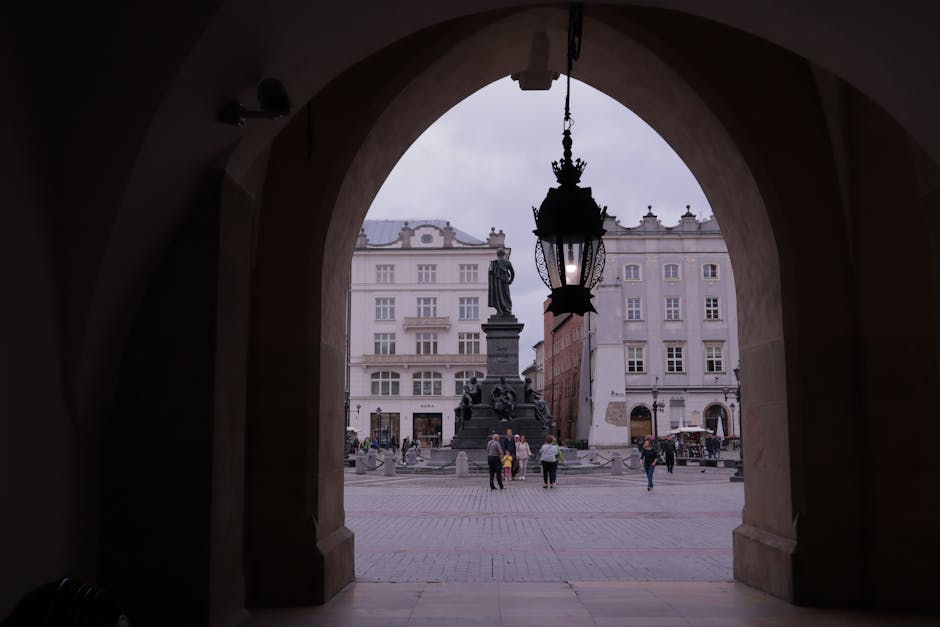
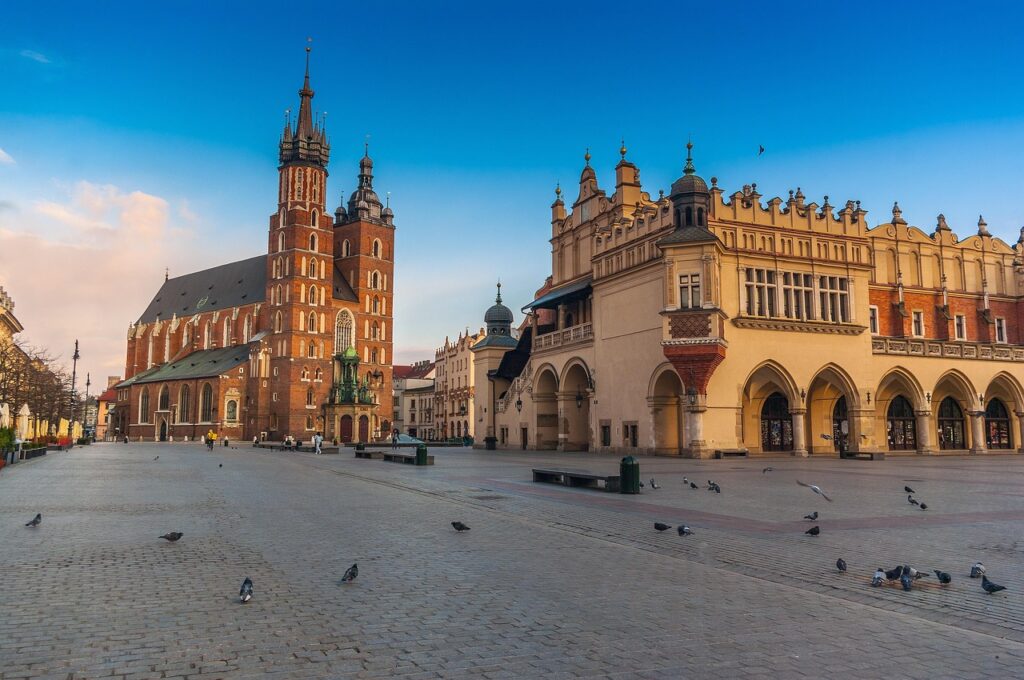
Finally, this guide is enhanced with visual cues to help you spot locations: popular stops, bike stations, tram termini, urban landmarks, and evocative images to plan your routes. The image markers match typical city scenes (for example, « Main Market Square tram stop at sunset ») to help you visualise key points. Get your map and a transport app (e.g. Jakdojade or mPay), and follow these tips to make the most of Kraków.
Trams in Kraków: main lines, strategic stops and how they work
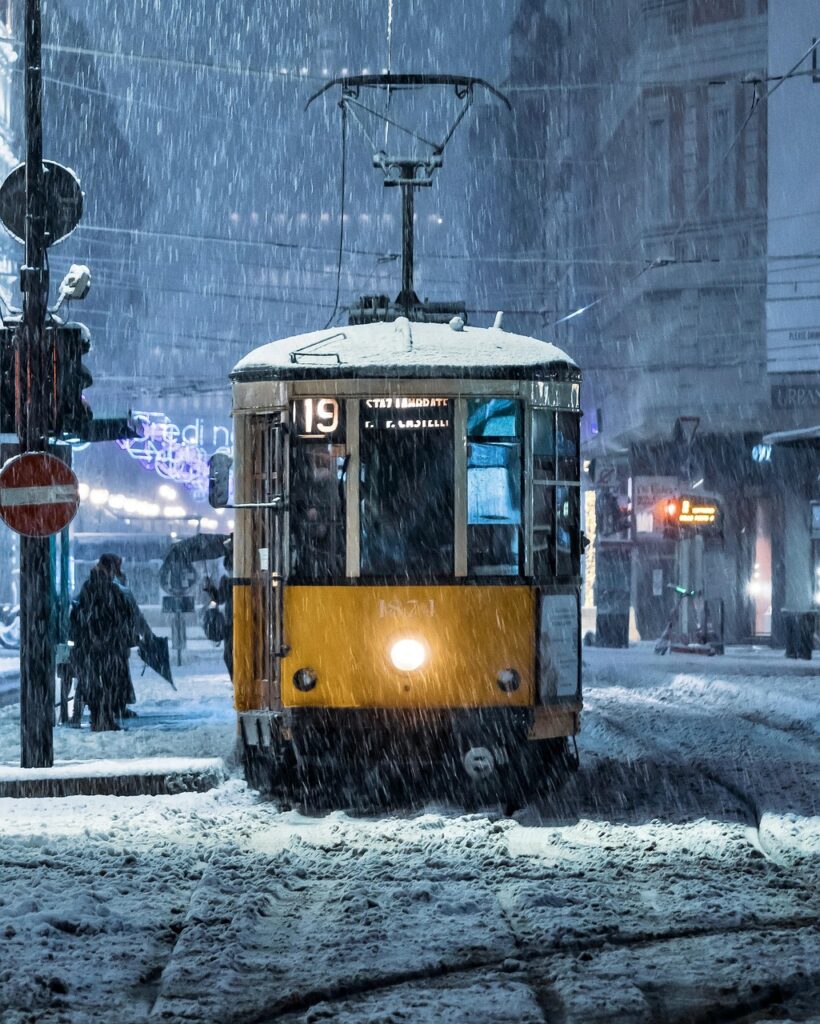
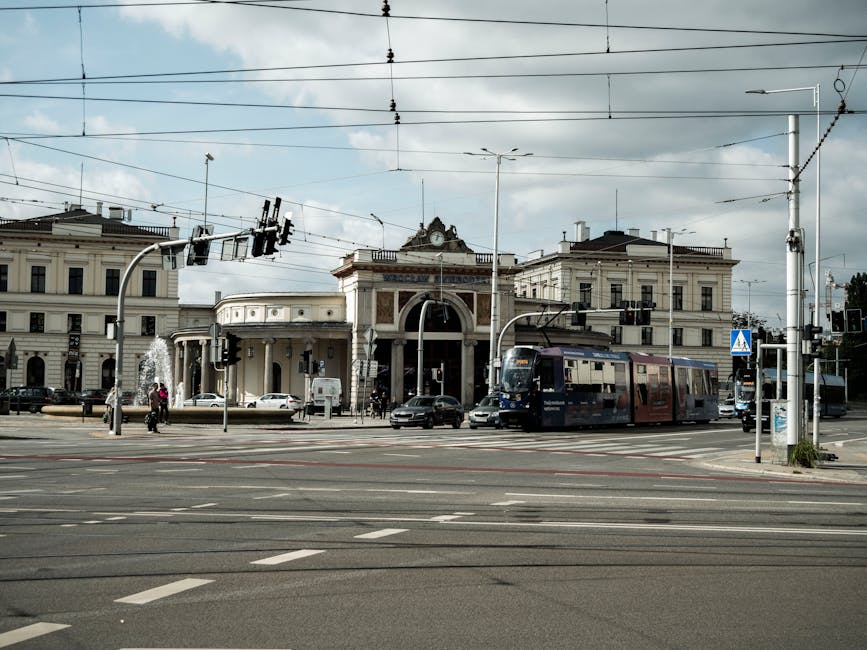
Kraków’s tram network (Miejskie Przedsiębiorstwo Komunikacyjne w Krakowie — MPK Kraków) is the backbone of urban travel. Trams run along north–south and east–west corridors and serve the main station, the historic centre, Kazimierz and residential districts. The main terminus is around Dworzec Główny PKP (Plac Jana Pawła II 3, 31-157 Kraków), where several lines start and pass through. Vehicles are modern and some have spaces for bikes and strollers; however, during peak hours space can be limited.
Here are some lines and stops to know:
- Line 2 — connects Nowa Huta with the centre, passes Plac Centralny (Nowa Huta) and heads into the city; useful for visiting the city’s ambulance museum and industrial heritage sites.
- Line 4 — serves Dworzec Główny PKP and continues toward Zabłocie and Podgórze; key stops: « Dworzec Główny », « Teatr Słowackiego » (near Rynek Główny), « Zabłocie ».
- Line 6 — crosses the centre and goes to Bronowice, convenient for residential areas and some shopping centres.
- Line 8 — runs east–west through the historic centre; handy for reaching the Faculty of Science at Jagiellonian University.
- Lines 10 and 13 — very frequent, serving the northern central area and the MDA coach station (ul. Bosacka).
Timetables: trams generally run from about 04:00/04:30 until roughly 23:30/00:00 depending on the line. Outside those hours, night buses (numbered Nxx) take over. Daytime frequencies vary: every 3–8 minutes on central corridors at peak times, 10–20 minutes on peripheral lines. Timetable displays at stops show expected arrival times and often frequency.
Fares and buying tickets: tickets are not usually sold on board (with a few exceptions from some machines): you can buy tickets at RUCH kiosks, from ticket machines at main stops, via the mobile apps « Jakdojade » or « MPK Mobile » and by SMS (service available for Polish numbers). Approximate prices in euros:
- 20‑minute ticket: 4.40 PLN ≈ 0.95 EUR
- 40‑minute ticket: 6.60 PLN ≈ 1.45 EUR
- 90‑minute ticket: 7.60 PLN ≈ 1.65 EUR
- 24‑hour ticket: 15 PLN ≈ 3.30 EUR
- 72‑hour ticket: 40 PLN ≈ 8.80 EUR
Validation: once onboard, validate your ticket in the yellow validators or in the app. Controls are regular; fines for travelling without a validated ticket can exceed 200 PLN (~44 EUR). Tip: keep your ticket until you exit and take a screenshot if you’re using a digital ticket in case of display issues.
Accessibility and comfort: modern trams have low floors to help passengers with reduced mobility. Major stops (e.g. « Dworzec Główny », « Teatr Słowackiego », « Plac Inwalidów ») have raised platforms and electronic displays. In summer, watch out for heat and crowded cars; in winter, trams are heated but can be packed during severe weather.
Buses in Kraków: day lines, airport express services, and night buses
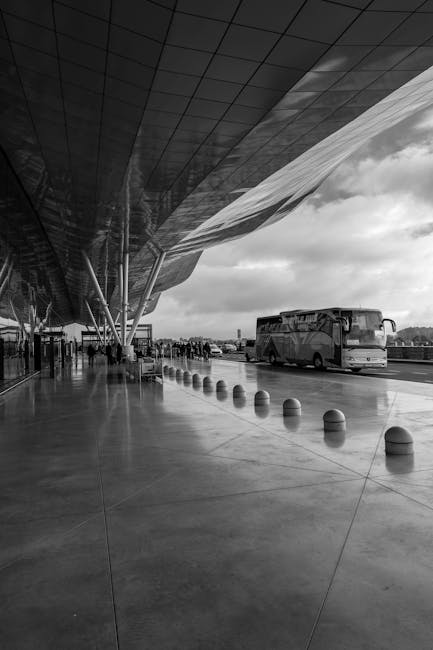
The bus network complements the trams, covering areas not served by the urban rail lines, suburban neighbourhoods and night connections. There are many bus routes, including urban lines, express services and direct links to John Paul II Kraków–Balice Airport (Port lotniczy Kraków-Balice) and business parks. The main intercity and national coach terminal is MDA (Małopolski Dworzec Autobusowy) at ul. Bosacka 18, 31-511 Kraków, close to the central station.
Airport connections:
- Bus 208 — connects Dworzec Główny PKP (Plac Jana Pawła II 3) with Balice Airport (Port lotniczy Kraków-Balice). Frequency: roughly every 20–30 minutes. Duration: about 30 minutes depending on traffic.
- Bus 902 Express — a newer / seasonal service sometimes operated during peak tourist times; check the official airport boards for details.
Important day lines:
- Bus 208 (see above) useful for travellers with luggage. Airport stop: « Port Lotniczy Balice » (ul. Kpt. M. Medweckiego 1, 32-083 Balice).
- Bus 130 — serves residential districts to the southeast, handy for hotels along Aleja Pokoju.
- Bus 154 — passes several university hospitals and outer neighbourhoods; useful for clinic visitors and patients.
Night buses: from roughly 00:30 until dawn, Kraków operates night lines marked with the letter « N » followed by a number (e.g. N1, N2…). These routes often start from the centre or the main station. Frequencies are generally every 30–60 minutes depending on the line. Check the MPK Kraków website (mpk.krakow.pl) or the Jakdojade app for exact times.
Fares: the same tickets used on trams are valid on buses; validate on board. Example fares (approx.): 20‑minute ticket ≈ 0.95 EUR, 24‑hour ≈ 3.30 EUR. For longer intercity trips from the coach terminal (MDA, ul. Bosacka 18), prices vary by destination — a coach to Zakopane or Wrocław will cost significantly more and can be bought at the MDA ticket office.
Practical tips:
- Board through the front door and validate your ticket when boarding, unless a modern vehicle indicates multiple doors open automatically.
- If travelling with a bike, check restrictions: some buses allow bikes outside peak hours; modern trams are better suited.
- For a quick airport transfer with lots of luggage, prefer bus 208 or private shuttle/taxi services (official MPT taxis from the station).
Bikes and soft mobility: Wavelo, rental shops, cycle lanes and safety
Kraków is rapidly expanding its cycling infrastructure. The Wavelo bike‑share system (formerly Veturilo/Nextbike at different times) operates in the centre and provides a quick alternative for short trips. Stations are usually located near tourist spots: Rynek Główny, Wawel (Wawel 5, 31-001 Kraków), Plac Bohaterów Getta and Dworzec Główny PKP.
How to use Wavelo:
- Download the « Wavelo Kraków » app or use the official website.
- Create an account and add a payment card. Pricing (approx.): some plans include the first 20 minutes free or base rates around ≈ 1.50 EUR per 30 minutes, with day options roughly ≈ 6–8 EUR. Prices vary by season and promotions.
- Pick up a bike at one station and return it to another; the system charges based on duration and subscription type.
Traditional rentals: if you prefer a bike for several days or a specific model (MTB, city bike), many shops offer rentals:
- Rowerowe Centrum Kraków — ul. Grodzka 43, 31-044 Kraków — daily rental ≈ 10–18 EUR depending on the model.
- Bike Rental Kraków — ul. Floriańska 2, 31-019 Kraków — mid‑range rentals, helmet and lock included for ≈ 12–20 EUR/day.
Cycle lanes and recommended routes:
- The Vistula (Wisła) riverside: flat, scenic route, perfect for a ride between Wawel (Wawel 5) and the Jagiellonian Library.
- Bednarski Park and the Planty: a tourist‑friendly loop around the Old Town that connects to Kazimierz via historic bridges.
- Nowa Huta: long routes for sporty cyclists, with access to wide post‑industrial avenues and Lotników Polskich Park.
Safety and rules: follow local regulations — helmets recommended, ride on the right, give way to pedestrians at crossings, and observe implied speed limits in urban zones. At night use front and rear lights; in winter check the bike condition (tyres, lights). Bike theft happens — always lock the frame and a wheel to a fixed point.
Practical routes and local tips: getting between major attractions
To make the most of your time, here are practical, concrete routes with addresses and estimated prices/times, tailored for both sightseeing and business pacing.
1) From the main station to the Old Town:
- Start: Dworzec Główny PKP, Plac Jana Pawła II 3, 31-157 Kraków.
- End: Rynek Główny (Main Market Square), Plac Mariacki/ul. Rynek Główny, 31-042 Kraków.
- Tram option: lines 4/10/13 → get off at « Teatr Słowackiego » or « Stare Miasto ». Duration ≈ 5–10 min. 20‑minute ticket ≈ 0.95 EUR.
- Walking option: 10–15 min depending on crowds.
2) From Rynek Główny to Kazimierz:
- Target: Plac Nowy, ul. Józefa 1, 31-056 Kraków (Kazimierz hub).
- Tram/bus option: some lines cross the river toward Podgórze; generally walking (15–25 min) or taking a tram to « Stradom » then walking is quick.
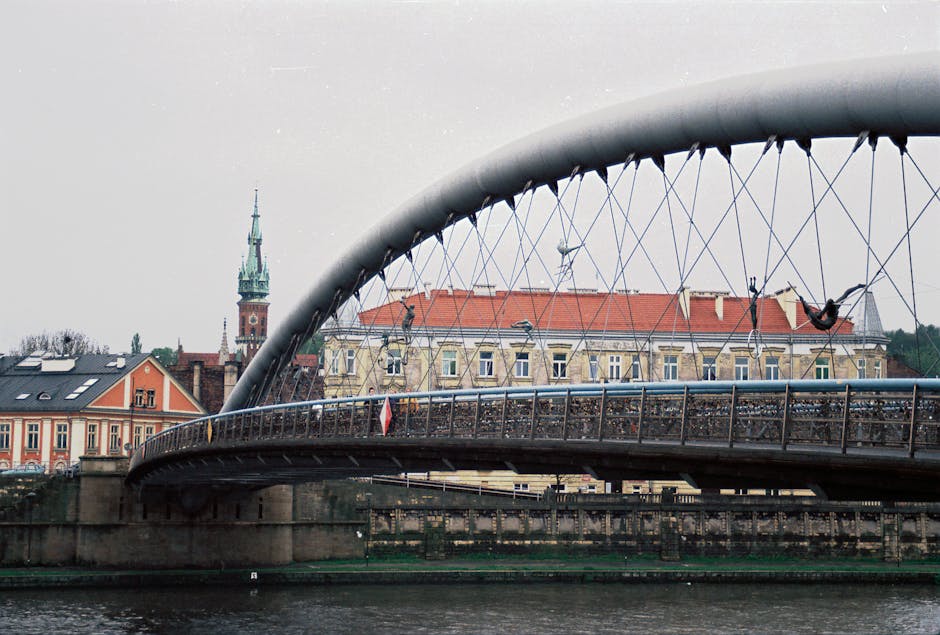
- Local tip: cross the Bernatka bridge for great Vistula views when heading down to Podgórze.
3) From the centre to the airport:
- Start: Rynek Główny / Dworzec Główny PKP
- Bus: 208 direct to « Port Lotniczy Balice » (Kpt. M. Medweckiego 1, 32-083 Balice). Frequency ≈ 20–30 min, duration ≈ 30–40 min, price ≈ 1.65–3.30 EUR depending on the time‑based ticket.
- Official taxi: from the station, journey ≈ 25–35 min, cost ≈ 20–30 EUR depending on traffic and service. Book at the taxi desk at Dworzec Główny PKP.
Additional local tips:
- Use Jakdojade (app) to plan journeys in real time; it shows tram/bus connections and exact waiting times.
- Avoid rush hours (≈ 07:30–09:00 and 16:30–18:30) if possible; trams between the station and city centre often fill up.
- For longer stays, a 72‑hour pass (≈ 8.80 EUR) is usually good value for active tourists combining trams, buses and bikes.
- If you arrive late, check the last tram times and night bus availability; otherwise plan a taxi transfer from Dworzec Główny PKP.
Accessibility, safety and practical advice: for every traveller
Getting around Kraków is generally safe, but a few common‑sense rules and tips will make your trip more pleasant and worry‑free.
Safety:
- Monitoring: tourist areas (Rynek Główny, Wawel, Kazimierz) are busy and monitored; still, watch for pickpockets on crowded trams and at heavily touristed stops.
- Luggage: if you have suitcases, prefer bus 208 to the airport or an official taxi rather than taking a tram at peak times.
- Emergency numbers: in Poland dial 112 for emergencies. For non‑urgent medical assistance, university hospitals in Kraków include Uniwersytecki Szpital Dziecięcy (ul. Wielicka 265, 30-663 Kraków) and Szpital Uniwersytecki (ul. Kopernika 21, 31-501 Kraków).
Accessibility:
- Adapted transport: many recent tram vehicles have low floors and dedicated spaces. Main stops have ramps and tactile markings for visually impaired travellers.
- Hotels: if you need accessible accommodation, check that the hotel is close to a tram/bus stop to avoid long walks.
Practical advice:
- Paying: kiosks selling tickets generally accept cards, but keep some cash for occasional machines.
- Language: tram/bus staff rarely speak English; have your stop name written in Polish (e.g. « Dworzec Główny », « Teatr Słowackiego », « Plac Nowy »).
- Weather: in winter bring anti‑slip shoes; some stops and pavements can be slippery despite snow clearance.
Estimated budget for 3 days:
- Unlimited public transport pass (72h) ≈ 8.80 EUR
- A few taxi rides for airport or late‑night trips ≈ 20–40 EUR total
- Daily bike rental ≈ 10–20 EUR/day if needed
Conclusion — Plan your journeys to fully enjoy Kraków
Getting around Kraków is a pleasant, well‑organised experience: the tram and bus network efficiently covers most tourist and daily routes, while bike‑share makes it even easier to enjoy rides along the Vistula and around Wawel. Keep the key stops in mind — Dworzec Główny PKP (Plac Jana Pawła II 3), Rynek Główny, Plac Nowy, MDA (ul. Bosacka 18) — and use apps like Jakdojade and Wavelo to move quickly, cheaply and safely.
The fares shown in euros are practical estimates — check current prices on mpk.krakow.pl, wavelo.pl or official apps. Always buy and validate your tickets before boarding, watch the timetables (trams mainly run between ≈ 04:00 and 23:30) and favour trams for fast central journeys. For transfers with heavy luggage or late at night, bus 208 to the airport and official taxi services are the most comfortable choices.
Finally, adapt your choices to your pace: walk to soak up the medieval atmosphere of Rynek Główny, take a bike for a smooth ride along the Wisła, or hop on a tram to save time between neighbourhoods. By following these tips and using the routes and addresses provided in this guide, your stay in Kraków will be smoother, more cost‑effective and richer in discoveries. Safe travels and enjoy the historic and contemporary charm of Kraków!