





Introduction: Guided tours or audio guides in Kraków — which to choose for your first visit?
Kraków (Kraków), the historic heart of Poland, draws millions of visitors every year thanks to its remarkably preserved medieval core, lively cultural scene and close proximity to major memorial and natural sites. If it’s your first time in the city, one question keeps coming up: should you go with a guided tour (private, group or themed) or use an audio guide (mobile apps, self‑guided walks)? The right pick depends on practical factors: how much time you have, your budget, whether you want human interaction, language options, the depth of history you’re after and how flexible you want to be. This article is a practical, objective and detailed guide to help first‑time visitors to Kraków decide with confidence.
Practically speaking, a traditional guided tour usually delivers a coherent route, a human narrative, local anecdotes, the chance to ask questions in real time and sometimes priority access to paid sites. Guided tours can be free (free walking tours operating on a « pay what you want » basis) or paid, private and themed (food, Jewish history, communist heritage, street art, photo walks). By contrast, an audio guide (or tour app) gives you total independence, flexible timing, no guide fee, and often multimedia extras (images, interactive maps, archival audio). An audio guide is ideal if you like to explore at your own pace, revisit a spot, or avoid a group.
Each option has limits: group tours can lack personalization, move too fast for some people, or be overcrowded in high season; audio guides can miss the nuance of human intonation, fall short on in‑depth answers to specific questions, and require some logistical prep (battery, GPS, basic knowledge of the city map). Another point to weigh is the site itself — some places like the Wieliczka Salt Mine or Auschwitz‑Birkenau are often best visited with a certified guide for emotional and logistical reasons. Others, such as St. Mary’s Basilica or the Kazimierz Jewish quarter, lend themselves perfectly to a self‑guided exploration enhanced by an audio guide or an app.
This guide includes sections on: formal pros and cons of guided tours versus audio guides; a selection of recommended guided tours with names, meeting points, prices (in euros) and typical times; the best apps and audio guides available (formats, prices, languages); a site‑by‑site comparison (Wawel, St. Mary’s Basilica, Oskar Schindler’s Factory, Wieliczka, Auschwitz‑Birkenau); and a practical plan for a first‑time 2–4 day stay in Kraków. Prices and opening times may change: treat the figures here as references and always check official sites for updates before you travel.
1) Guided tours in Kraków: benefits, types and practical recommendations
Guided tours in Kraków cover a wide range: free walking tours (tip‑based), themed tours (Jewish history, communist era, food tours), private tailor‑made tours, bike tours, hop‑on/hop‑off bus tours and day trips (Wieliczka, Auschwitz‑Birkenau). Concrete advantages of a guided tour: a human guide who can answer questions, adapt the talk to the group, handle logistics (skip‑the‑line tickets, reservations), and provide context for sensitive topics — especially memorial visits. For a first visit, a guided tour gives you a fast, structured overview of the city, which helps plan the following days.
Types and concrete examples:
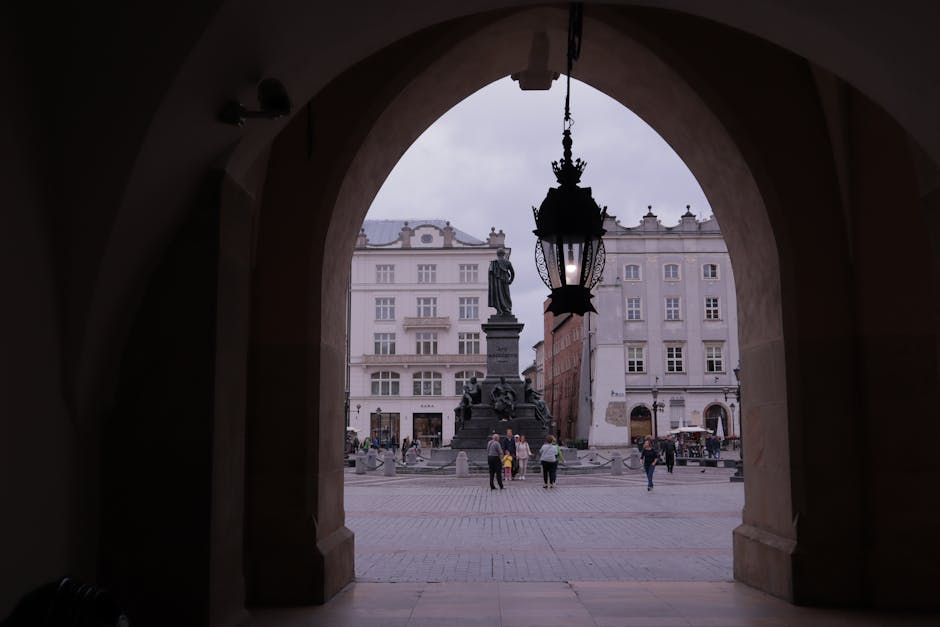
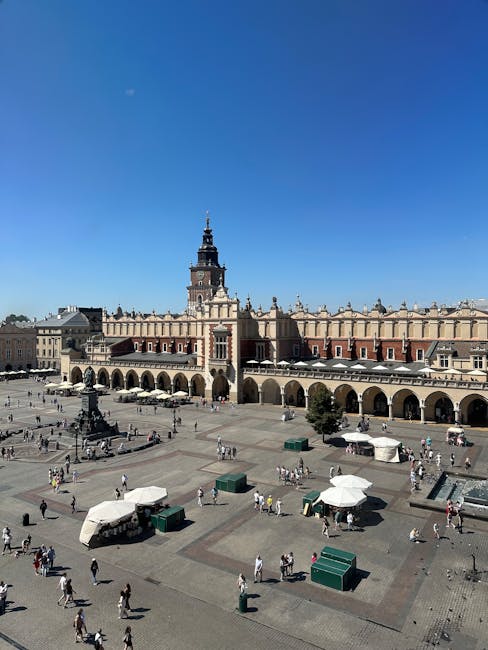
- Free Walking Tour Krakow (Pay‑what‑you‑want) — Meeting point: Adam Mickiewicz Monument, Main Market Square (Plac Mariacki / Rynek Główny). Times: typically 10:00 and 14:00 in high season (April–October). Price: free, recommended tip 8–15 EUR per person. Duration: 2 to 2.5 hours. Languages: mainly English, sometimes Spanish or Italian. Tip: arrive 15 minutes early and book online during high season.
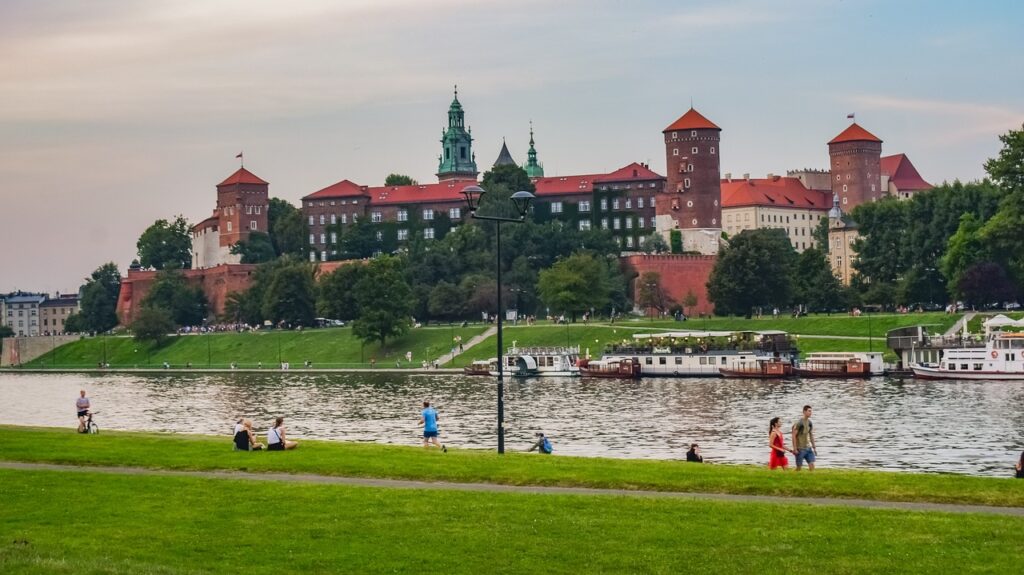
- Krakow Old Town & Wawel Castle Guided Tour (local operator) — Meeting point: Rynek Główny 20 (meeting point varies, check your booking). Price: 15–30 EUR per person. Duration: 2–3 hours. Advantage: a professional guide providing historical anecdotes and access to Wawel’s exterior areas.
- Private Jewish Quarter & Oskar Schindler’s Factory Tour — Meeting point: Kazimierz, usually Plac Nowy or ul. Sławkowska meeting points. Price: 60–120 EUR for a private group (2–6 people). Duration: 3 hours. Ideal for customizing the focus (Jewish culture, street art, food).
- Organized excursions to Wieliczka Salt Mine — Meeting point: Many operators offer hotel pickup or meet at ul. Daniłowicza 10, 32‑020 Wieliczka. Price: 30–60 EUR including transport and guide (depending on operator). Duration: 4–5 hours.
- Excursion to Auschwitz‑Birkenau from Kraków — Meeting points: various operators in the city center; often near the Main Market Square or via hotel pickup. Price: 35–65 EUR depending on inclusions (transport, English guide, entrance). Duration: 6–8 hours. Important: for Auschwitz visits, a certified guide is strongly recommended for historical context and sensitive explanations.
Times and booking: many tours start early morning (09:00–10:00) and in the afternoon (13:00–15:00). Museums like Oskar Schindler’s Factory (Muzeum Fabryka Oskara Schindlera, ul. Lipowa 4, 30‑702 Kraków) have entry slots: usually 10:00–18:00 (closed Mondays — check the official site). For Wawel (Zamek Królewski na Wawelu, Wawel 5, 31‑001 Kraków), guided tours inside the State Rooms often need reservations in high season; indicative price about 10–12 EUR (varies by exhibition). Always check what’s included: a guided tour might only cover the exteriors of monuments if interior access is limited.
Local tips: choose certified guides for sensitive visits (Auschwitz). For free tours, tip fairly and read reviews (TripAdvisor, Google) to avoid overcrowded groups. For a first visit, combine a general guided tour (2–3 hours) on day one to get your bearings, then use audio guides to dive deeper at your own pace.
2) Audio guides and apps: independence, costs and the best options to explore Kraków
The modern audio guide has little in common with the plastic devices handed out at museum entrances in the past. Today it’s mostly mobile apps (offline/online), downloadable audio tracks, interactive narratives with maps and photos, or even augmented reality experiences. The main advantage is total freedom of route and schedule. For a first trip, a good audio guide can complement (or replace) a guided tour, especially if your language level is adequate (many apps offer major languages).
Key apps and practical options:
- izi.TRAVEL — Free app, many free routes for Kraków (Old Town Walk, Kazimierz Jewish Quarter). Price: some premium content 2–7 EUR. Features: audio + offline maps, geolocated points of interest. Advantage: large library and the ability to download before you travel.
- VoiceMap — Narrated walks by local storytellers; price per route typically 3–8 EUR. Feature: GPS‑triggered narration, convincing for walking tours. Tip: download before you go and bring comfortable in‑ear headphones.
- Rick Steves Audio Europe — English content, free; excellent episodes for major sites (Old Town, Wawel). Ideal for anglophones wanting rich, educational narration.
- Official Museum Audio Guides — Museums like Schindler’s Factory, Wawel or Wieliczka often offer official audio guides in multiple languages. Price: 3–6 EUR to rent a device or 2–6 EUR for a download. Example: Wieliczka Salt Mine official audio guide (multilingual) costs around 6–8 EUR on site.
- Self‑guided PDF/Walking Map + Offline Audio — Buying or downloading a PDF guide + audio pack (5–10 EUR) can be an economical option for independent travelers.
Limits of audio guides: dependency on battery and GPS, lack of human interaction, and sometimes a too‑generic narrative. On the plus side, they let you linger in front of a shop window, statue or alley without group pressure. For sensitive sites (Auschwitz), some apps provide a respectful audio visit, but many experts recommend a certified guide to fully contextualize historical and emotional aspects.
Technical tips: download routes for offline use, bring a powerbank, and use noise‑isolating earphones if you’re visiting during busy hours. If you travel with family, the audio guide can be shared; for couples or small groups, alternate between an audio guide and occasional input from a local guide for the best of both worlds.
3) Site‑by‑site comparisons: what to choose for Wawel, St. Mary’s, Schindler’s Factory, Wieliczka and Auschwitz?
Every major site in Kraków suits a particular visit format better. Here’s a practical, detailed comparison for the places every first‑time visitor wants to see.
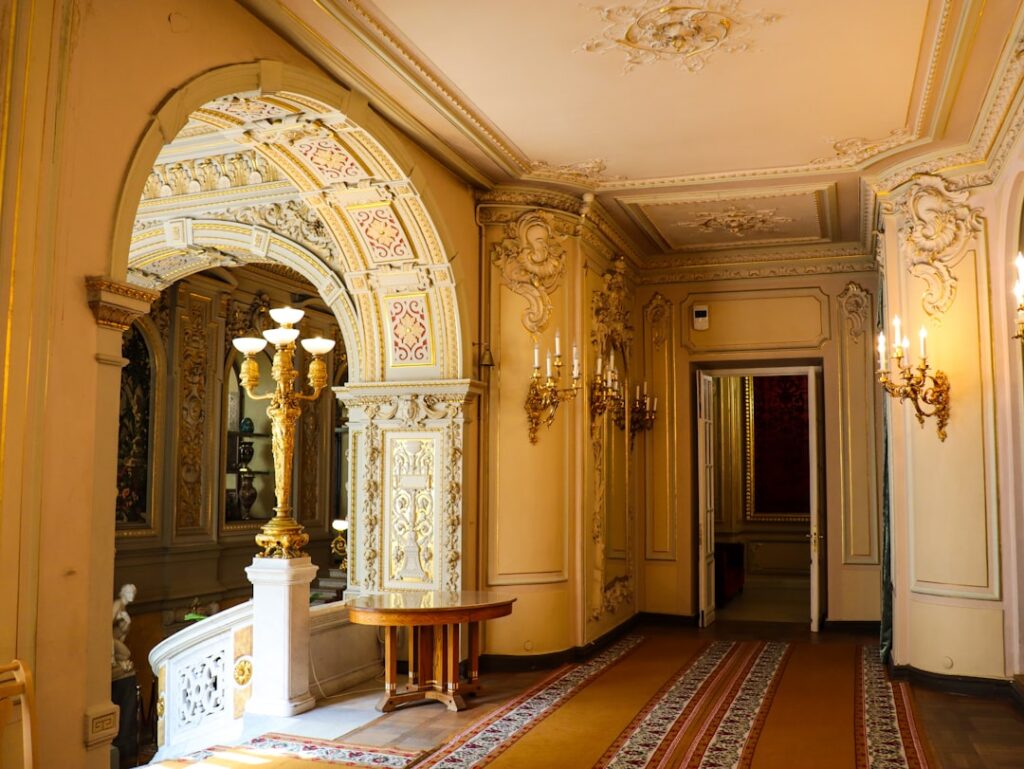
Wawel Royal Castle (Zamek Królewski na Wawelu) — Wawel 5, 31‑001 Kraków
Description: the historic fortress on Wawel Hill overlooking the Vistula, including the royal apartments, decorative arts exhibitions, the cathedral and the treasury. Hours: generally 09:30–16:00 / 10:00–17:00 depending on the season; closed some days for certain exhibitions. Price: State Rooms tour about 10–12 EUR, entry to Wawel Cathedral free for the church but chapels and crypts are paid (3–5 EUR). Recommendation: for a first visit, opt for a 1.5–2 hour guided tour if you want to understand the dynastic history and symbolism (dragons, crowns). An audio guide works for a self‑guided visit of the rooms, but it won’t always deliver the local anecdotes and archaeological details a human guide provides.
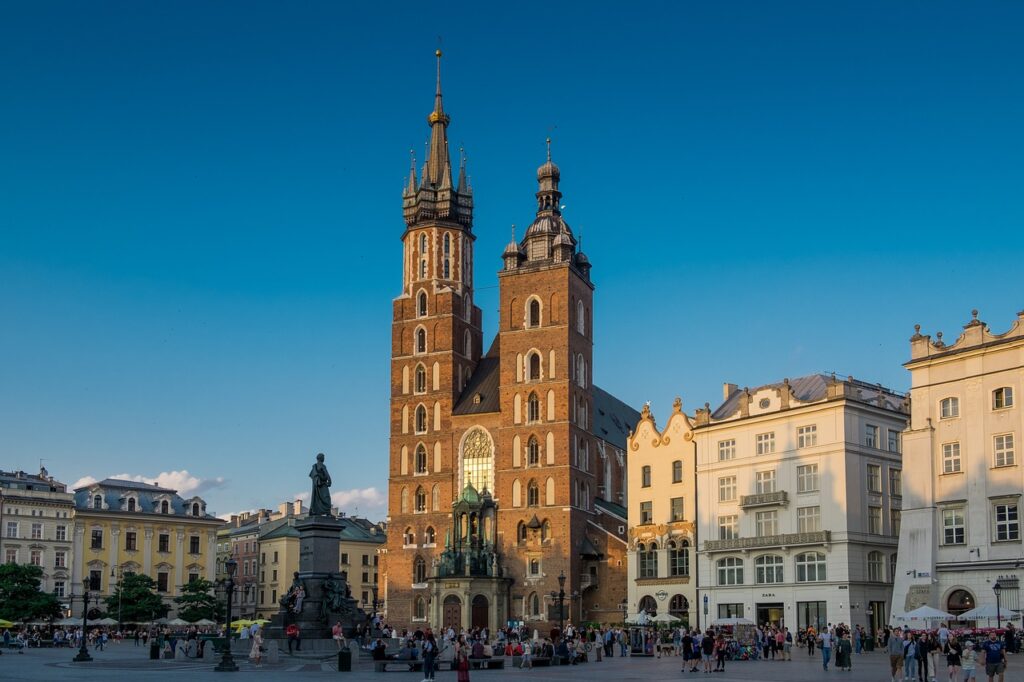
St. Mary’s Basilica (Basilica of St. Mary) — Plac Mariacki 5, 31‑042 Kraków
Description: famous for the Veit Stoss Gothic altarpiece and the Hejnał mariacki (trumpet call played from the tower every hour). Hours: generally 11:30–20:00 for visitors (times vary because of services). Price: main entry for mass is free; treasury and tower climb 3–5 EUR. Recommendation: hearing the Hejnał on site with a guide who explains the local story is a highlight, but a well‑crafted audio guide can also give artistic detail on the altarpiece and religious symbolism.
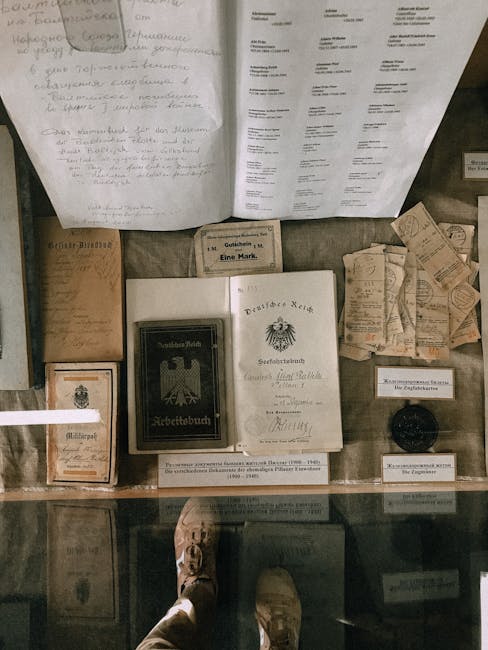
Oskar Schindler’s Factory Museum (Muzeum Fabryka Oskara Schindlera) — ul. Lipowa 4, 30‑702 Kraków
Description: a history museum focused on the Nazi occupation and Kraków’s Jewish community, housed in Schindler’s former enamel factory. Hours: generally 10:00–18:00 (closed Monday) — check for rotating exhibitions. Price: around 5–7 EUR (standard entry). Recommendation: official audio guide or a specialist guide? Both make sense: the museum is designed for self‑exploration enhanced by a multimedia audio guide, but a qualified guide will offer social context and oral testimony that deepen the history.
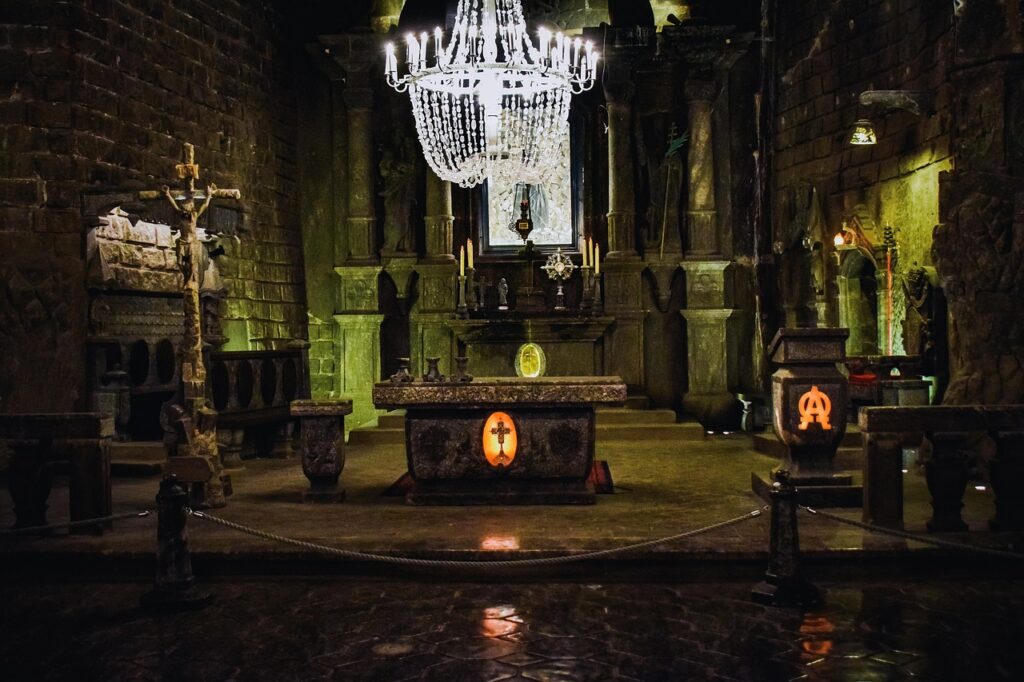
Wieliczka Salt Mine (Wieliczka Salt Mine) — ul. Daniłowicza 10, 32‑020 Wieliczka
Description: a UNESCO site with underground chapels carved in salt, monumental chambers and long galleries. Hours: regular guided tours usually run 09:00–17:00 (times vary). Price: standard guided tour about 20–25 EUR without transport; trips from Kraków (transport + guide) 30–60 EUR. Recommendation: favor a guided tour — the underground setting is rich in mining history and technical anecdotes that an audio guide doesn’t always convey. Also, the tour involves stairs and safety instructions that your guide will manage. An audio guide can work if you’re experienced and have your own transport.
Auschwitz‑Birkenau State Museum (Państwowe Muzeum Auschwitz‑Birkenau) — ul. Więźniów Oświęcimia 20, 32‑603 Oświęcim
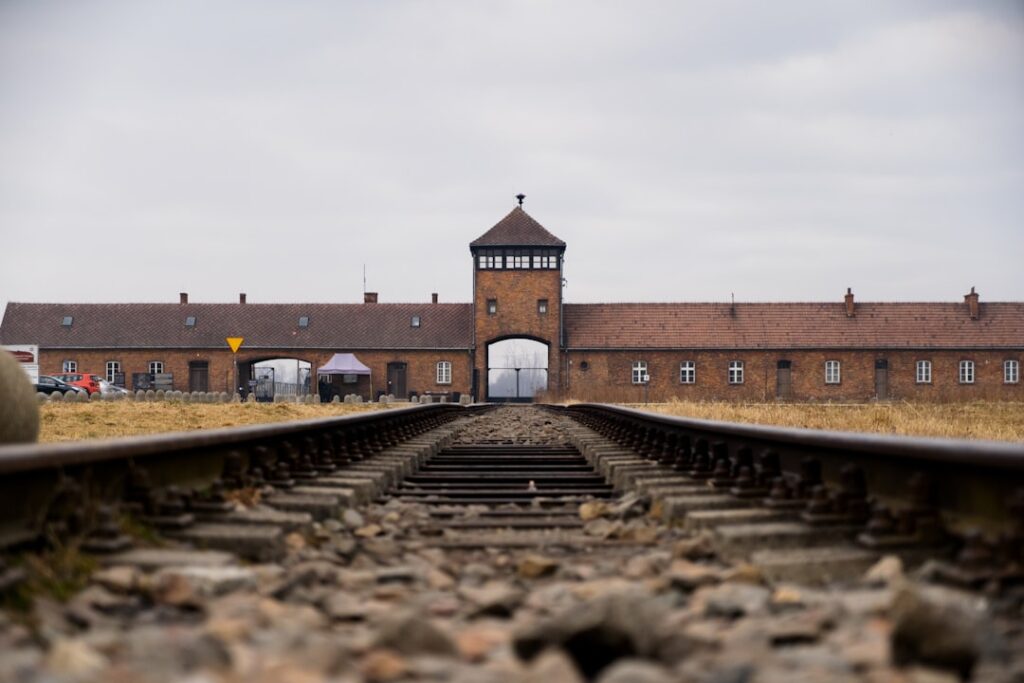
Description: a memorial site of extermination and genocide from World War II. Hours: 07:30–16:00 / 07:30–19:00 depending on the season (shorter winter hours; closed on some holidays). Price: entry to the main camp is free, but guided tours and access to commented exhibitions are paid; guided tour prices from Kraków: 35–65 EUR (transport + guide). Recommendation: for a first visit, absolutely prefer a certified guide. The subject and emotional weight require a human facilitator, contextual explanations and adherence to site protocols. Official audio guides are available (typically 3–5 EUR to rent), but they don’t replace the live mediation of a trained guide.
4) Suggested itinerary for a first visit: combining guided tours and audio guides over 2 to 4 days
Building the right program for your first trip to Kraków means balancing orientation, cultural immersion and excursions. Here are three suggested programs by trip length — each mixes guided tours and audio guides to make the most of both formats.
Express itinerary: 2 days
- Day 1 (morning): Free Walking Tour of the Old Town (meeting at Adam Mickiewicz Monument, Rynek Główny). Duration: ~2 hours. Price: tip 8–15 EUR.
- Day 1 (afternoon): Self‑guided visit with an audio guide (izi.TRAVEL or Rick Steves) to St. Mary’s Basilica (Plac Mariacki 5). Tower climb: 3–5 EUR.
- Day 2: Organized excursion to Wieliczka (book a tour with transport, 30–60 EUR) or a guided visit to Schindler’s Factory (ul. Lipowa 4, ticket 5–7 EUR).
Tip: book Wieliczka in advance, start early to beat the crowds and wear comfortable shoes.
Standard itinerary: 3 days
- Day 1: General guided tour (Old Town + Wawel) — local guide, 15–30 EUR.
- Day 2: Morning visit to Oskar Schindler’s Factory (ul. Lipowa 4), afternoon walk in Kazimierz with VoiceMap audio guide (~5 EUR) or a private tour 60–120 EUR.
- Day 3: Day trip to Auschwitz‑Birkenau with a certified guide (35–65 EUR). The rest of the day is for reflection and exploring the on‑site museum.
Tip: buy Schindler and Auschwitz tickets well in advance; wear modest clothing and bring water for the Auschwitz visit.
In‑depth itinerary: 4 days or more
- Day 1: Full guided tour Old Town + Wawel (professional guide), then a cultural evening (Chopin concert or local options).
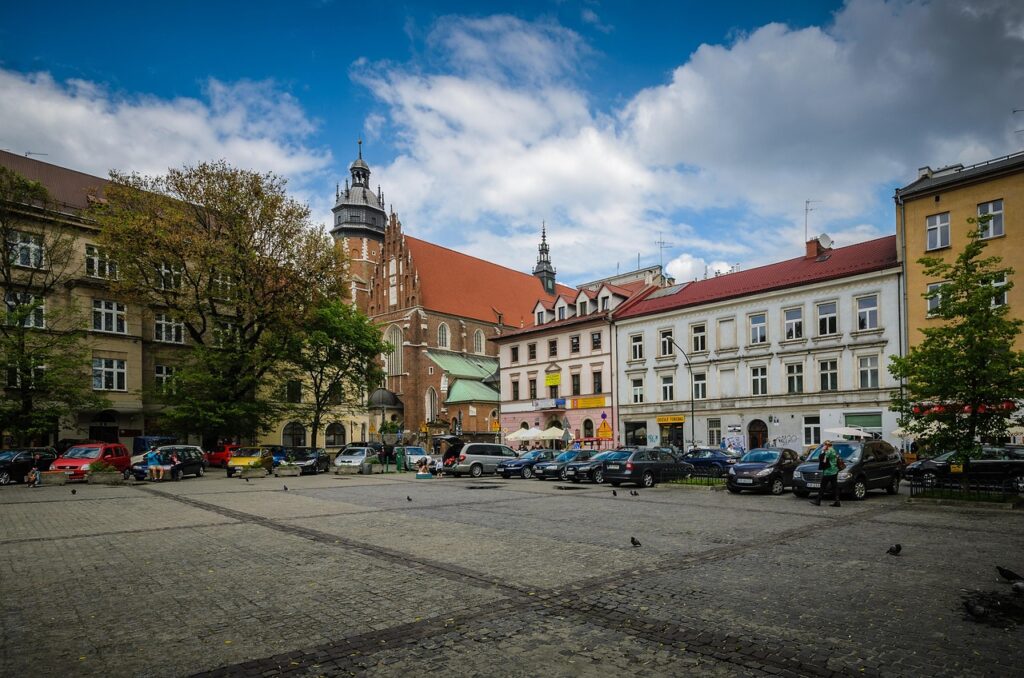
- Day 2: Day in Kazimierz + visit to Remuh Synagogue and Jewish Cemetery, audio guide or specialist guide (20–40 EUR for an in‑depth tour).
- Day 3: Wieliczka with a guide or organized trip (30–60 EUR).
- Day 4: Auschwitz‑Birkenau guided visit and time for reflection; late afternoon free for extra museums or a stroll along the Vistula.
Logistics tip: consider the Krakow Card if you plan to visit several museums — it sometimes includes free or reduced entries; available in several versions (1–3 days). Check current benefits and pickup locations (Kraków Tourist Information centers). For getting around, trams are frequent and cheap; a single ticket costs about 0.80–1.20 EUR depending on duration (check current rates).
5) Practical local tips to get the most out of your visit
Language: most guides and apps offer English content. If you want a French tour, book ahead (French‑speaking guides exist but are limited). For private tours, expect to pay 60–120 EUR for a French‑speaking guide depending on duration.
- Booking: reserve paid tours early (especially Auschwitz and Wieliczka). Popular museums can have long queues in high season.
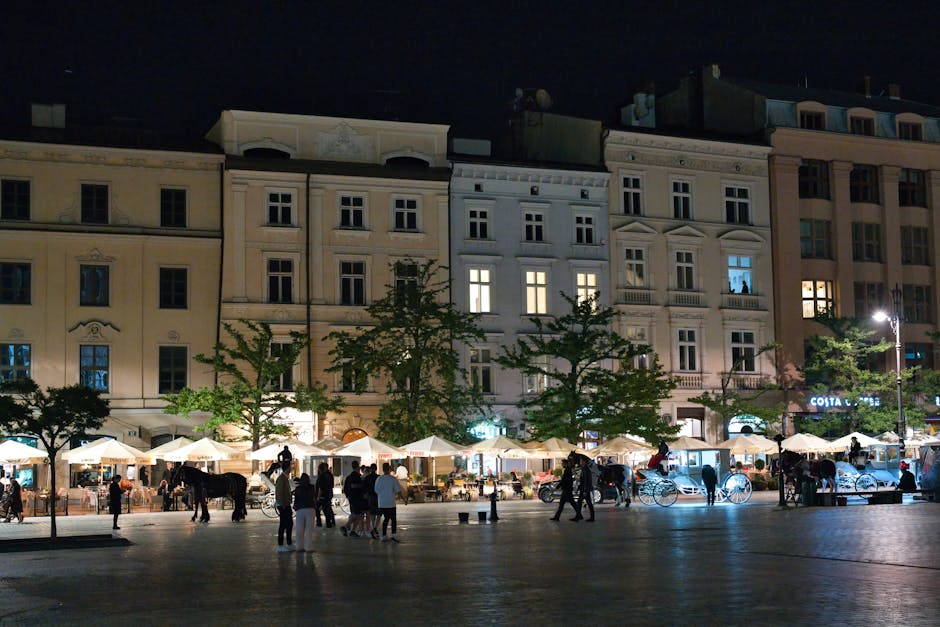
- Timing: visit sites early in the morning to avoid crowds (Wawel, the Basilica, Rynek). Many museums open between 09:00–10:00.
- Prices: the figures given are average estimates in euros: Free Tour (tip 8–15 EUR), museums 3–12 EUR, private tours 60–120 EUR, organized excursions 30–65 EUR.
- Behavior: memorial sites (Auschwitz) require respectful clothing and conduct; avoid inappropriate selfies.
- Accessibility: some historic sites have stairs (Wieliczka, basilica towers) — check accessibility if you have special needs.
- Currency and payments: Poland uses the złoty (PLN); many operators accept cards and sometimes euros for tourist services, but carry some PLN for small purchases and local transport.
- Safety: Kraków is generally safe, but watch out for pickpockets in very touristic areas (Rynek Główny, Kazimierz) and keep copies of your documents.
Final tip: for a first stay, combine a general guided tour (orientation and anecdotes) with audio guides for deeper visits. If you have heavy historical questions, favor certified guides. In short, alternating human‑led tours and audio guides gives you the best of both worlds: human context and freedom to explore.
Conclusion: which format to choose for your first visit to Kraków?
There’s no single answer: your choice will depend on personal priorities. If your main goal is quick, nuanced understanding of history, local anecdotes and logistics (skip‑the‑line tickets, transport to Wieliczka or Auschwitz), start with a guided tour — preferably a certified guide for sensitive sites. Professional guides bring living perspectives, human stories and direct interaction, which are invaluable for a first encounter with Kraków.
If you value independence, flexible timing and a personal pace, an audio guide is an excellent choice. Modern apps (izi.TRAVEL, VoiceMap, Rick Steves) offer rich, often cheaper routes that let you explore St. Mary’s Basilica, Kazimierz or hidden corners of the Old Town at your own speed. For museums, combine an official audio guide with some preparatory reading or articles for deeper understanding.
My practical recommendation for a 2–4 day first visit: start with a general guided tour (2–3 hours) to orient yourself and ask questions, then use audio guides for detailed visits or themed walks. For Wieliczka and Auschwitz, choose guided, structured visits to ensure historical context, safety and emotional support. Finally, be practical: book ahead, download audio content for offline use, bring a powerbank and have a paper map or an offline map app.
Whatever you choose, Kraków offers a wealth of memorable experiences — from the medieval lanes of Rynek Główny to the salt chambers of Wieliczka and the moving memory of Auschwitz. By mixing listening, observing and meeting people, your first trip can be both structured and free, informative and moving, thanks to a thoughtful combination of guided tours and audio guides.
Have a great trip, and remember: the best tour is the one that leaves you wanting to learn more.