





Introduction — Health in Krakow: what to expect and how to prepare
Krakow (Kraków) is one of Poland’s most visited cities, famous for its Old Town, university vibe and many museums. For travellers, understanding how the local healthcare system works is essential: an injury, sudden illness or even just needing a doctor can happen at any time and ruin a trip if you’re unprepared. This comprehensive guide explains your options, emergency numbers, insurance, pharmacies, public and private hospitals, rough costs in euros, plus practical local tips to get care quickly and effectively in Krakow.
First off, know that Poland has an organized healthcare system that operates differently from some Western models: there’s a network of public health centres (szpital, przychodnia) alongside modern private clinics. EU visitors can sometimes use the European Health Insurance Card (EHIC / CEAM) to receive necessary care under public conditions, but that card doesn’t replace full travel insurance. If you don’t have EHIC or private insurance, private care—often faster and with English-speaking staff—will require on-the-spot payment.
This guide is aimed at travellers who want to know: what to do in an emergency, recommended facilities (full names and exact addresses), indicative costs in euros for consultations and tests, typical opening hours, availability of services in English, and local tips for getting to a medical centre quickly. We also cover pharmacies and how to get medication, ambulance services, and practical hints—like the quiet hours to avoid long waits in ER, useful local mobile apps, and why it’s smart to have your allergies and treatments translated and saved on your phone or on paper.
Finally, because peace of mind is crucial on holiday, this guide includes concrete recommendations for clinics in Krakow with exact addresses, approximate opening hours, sample prices in euros for common services (general consultation, urgent visit, simple X-ray), and tips to save money if your insurance is limited. The goal is to let you explore St. Mary’s Basilica, wander Kazimierz’s Jewish quarter or climb Wawel Castle knowing exactly where and how to get help if you need it.
Emergencies, numbers and first steps: what to know
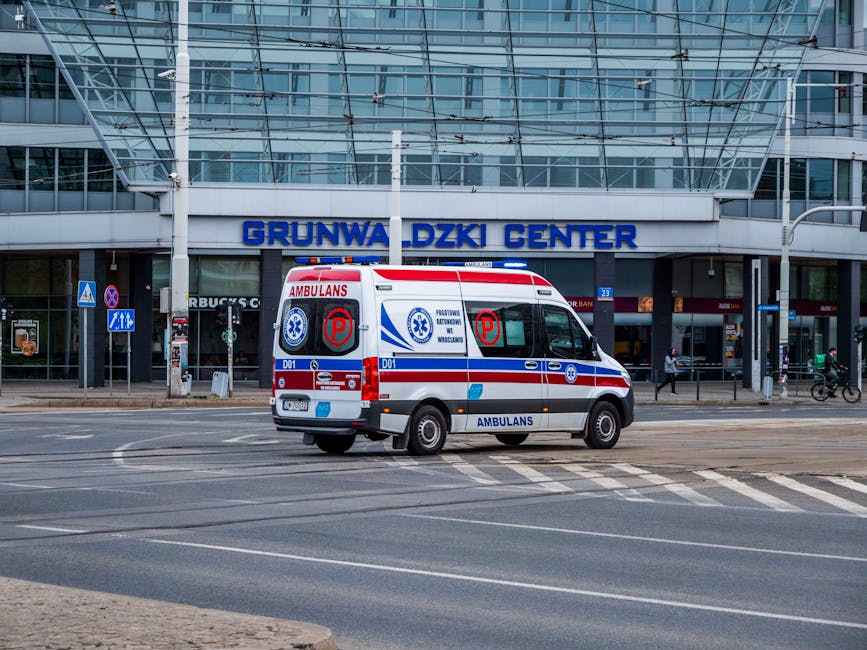
In Poland the European emergency number is 112: dial it from any phone to reach police, ambulance (pogotowie ratunkowe) or fire services. For ambulance specifically you can also call the national number 999 (pogotowie ratunkowe). Explain the situation clearly in English if you can; many operators in major cities like Krakow accept English, but it’s helpful to have essential information translated (name, age, address, allergies, medications).
If you’re experiencing a life-threatening emergency (chest pain, breathing difficulties, heavy bleeding, loss of consciousness), call 112 immediately. Ambulance interventions are free when medically necessary; however, if you’re taken in a private vehicle to a private clinic, fees may apply. For non-life-threatening issues, consider visiting a private clinic or an outpatient emergency centre (« Punkt Urgentny / Outpatient Emergency Clinic ») first to avoid long waits in hospital emergency departments.
Useful emergency addresses and centres in Krakow:
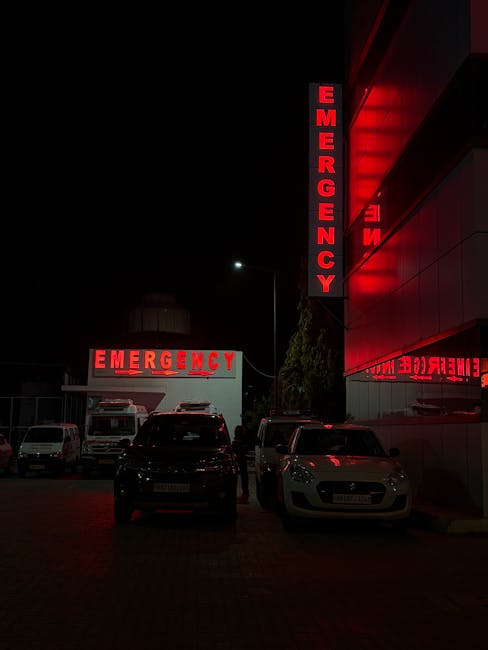
- Szpital Uniwersytecki w Krakowie – Uniwersytecki Szpital Kliniczny, ul. Wielicka 265, 30-663 Kraków. 24-hour emergency department. Waiting times vary; bring ID. Public emergency consultations are covered by EHIC for EU residents; otherwise private rates apply.
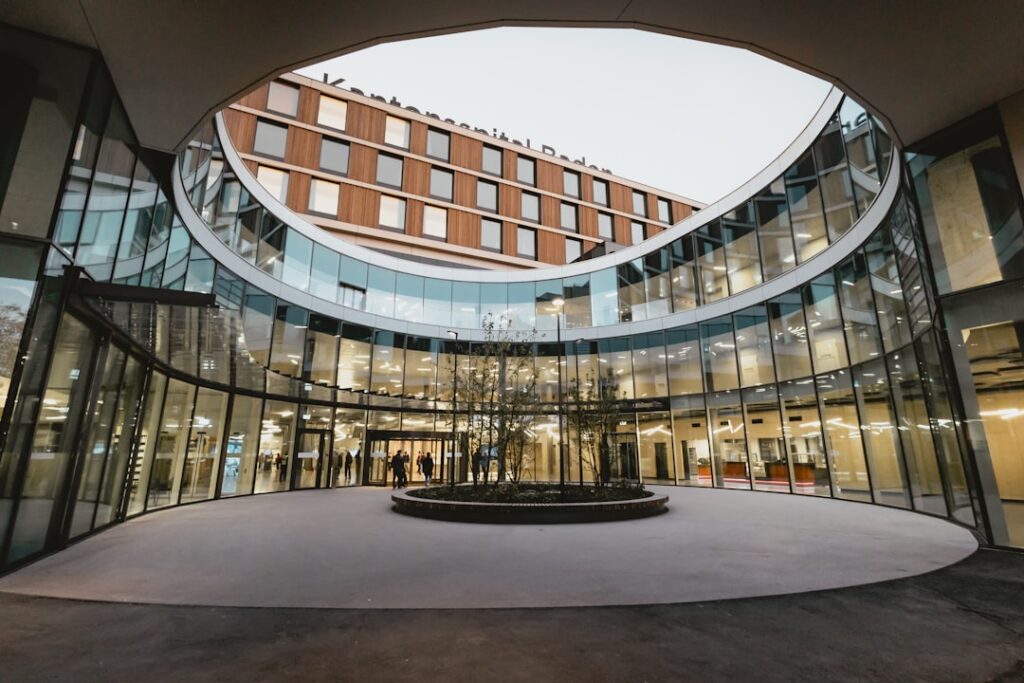
- Szpital im. Jana Pawła II (St. John Paul II Hospital), ul. Prądnicka 80, 31-202 Kraków. Hospital with emergency department, maternity ward and various specialties.
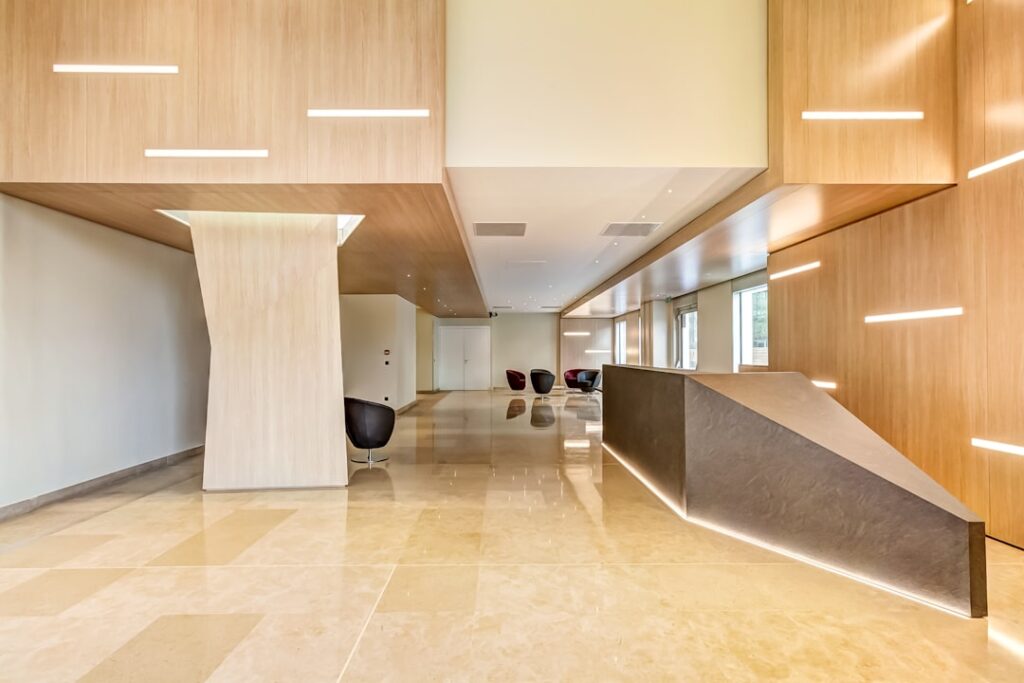
- Lux Med – Centrum Medyczne Lux Med Kraków, ul. Rakowicka 1, 31-511 Kraków. Private clinic, English-speaking staff, appointments and urgent care. Hours: Mon–Fri 08:00–20:00, Sat 09:00–14:00. General consultation ~€35–€60.
Practical tips for emergencies:
- Save a translated note on your phone (English/Polish) listing allergies and medications; carry a paper copy too. Example: « Alergia na penicylinę » (Allergy to penicillin).
- Keep your EHIC/CEAM handy if you’re an EU citizen; it eases access to public care but doesn’t cover everything (repatriation, private treatments, etc.).
- If you have private travel insurance, call your assistance line before visiting a private clinic: the insurer can direct you and sometimes pay fees directly.
Private clinics and non-urgent consultations: where to go and how much it costs
For a sore throat, sprain, moderate abdominal pain or any non-urgent consultation, Krakow’s private clinics offer speed, cleanliness and often English-speaking staff. Here’s a shortlist of convenient options for tourists with addresses, hours and indicative prices in euros:
- Medicover – Klinika Medicover Kraków, ul. Neseborska 10, 31-141 Kraków. Hours: Mon–Fri 08:00–20:00, Sat 09:00–14:00. English-speaking GP consultation: ~€40–€70. Rapid COVID or flu tests: €25–€50.
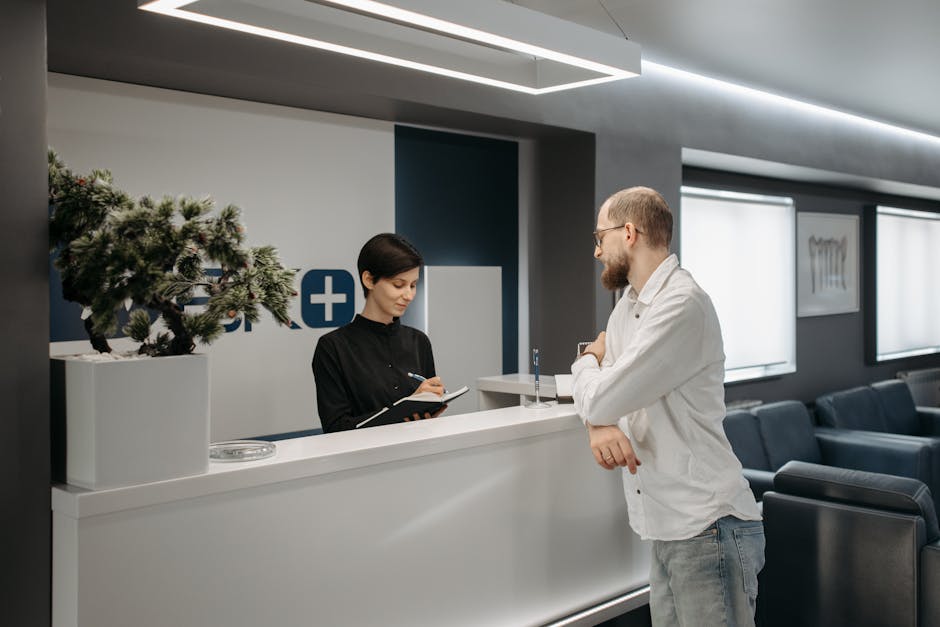
- Lux Med – Centrum Medyczne Lux Med Kraków, ul. Rakowicka 1, 31-511 Kraków (near Kraków Główny station). Hours: Mon–Fri 08:00–20:00, Sat 09:00–14:00. General practitioner: ~€35–€60; specialist visit (ENT, dermatologist): €60–€120. English prescriptions and medical notes available.
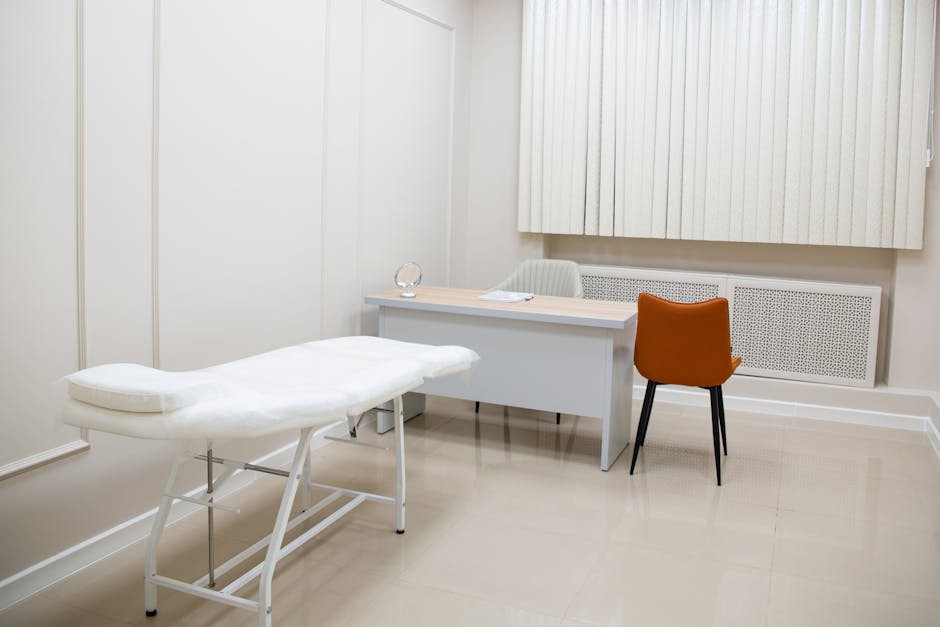
- Szpitalna Przychodnia Specjalistyczna Centrum Medyczne « KrakMed », ul. Szpitalna 25, 31-024 Kraków. Urgent care consultations for tourists and expats. Hours: Mon–Fri 08:00–18:00. Consultation fee: ~€30–€50.
Indicative costs for common procedures (approximations):
- Private GP consultation: €30–€70.
- Specialist consultation (ENT, dermatology, cardiology): €60–€150 depending on specialty and tests required.
- Simple blood test: €15–€40.
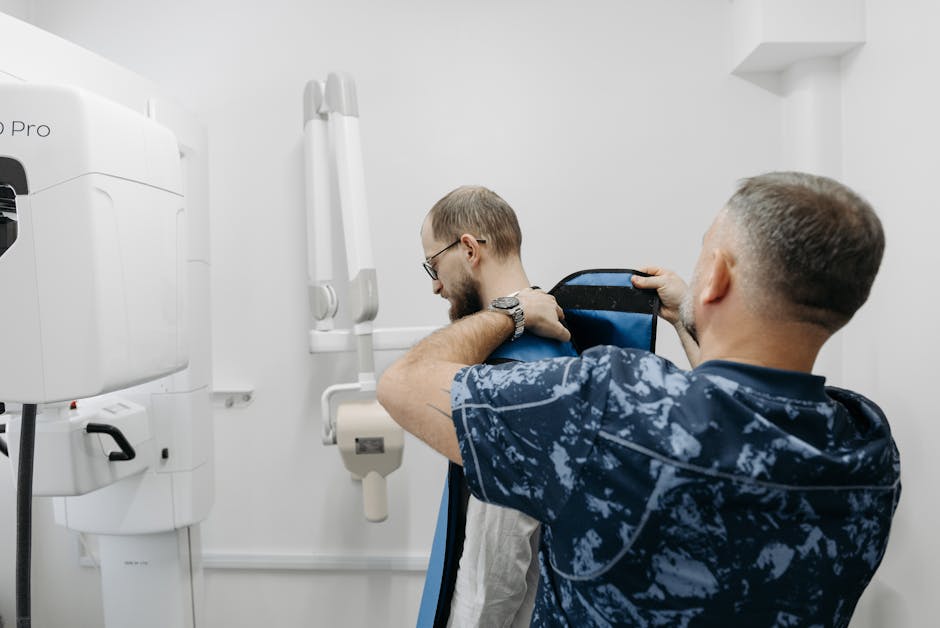
- Basic X-ray: €30–€70.
- Abdominal ultrasound: €60–€120.
Money-saving tips:
- Check if your insurer has local partner clinics (discounts often apply if you use partner providers).
- For mild symptoms (cold, minor sprain), visit a pharmacy where the pharmacist (aptekarz) can recommend over-the-counter treatments; this is usually cheaper than a consultation. See the next section for 24-hour pharmacy options.
- Ask for a written estimate before any expensive tests and keep receipts for insurance reimbursement.
Pharmacies, medications and walk-in solutions: where to find what you need
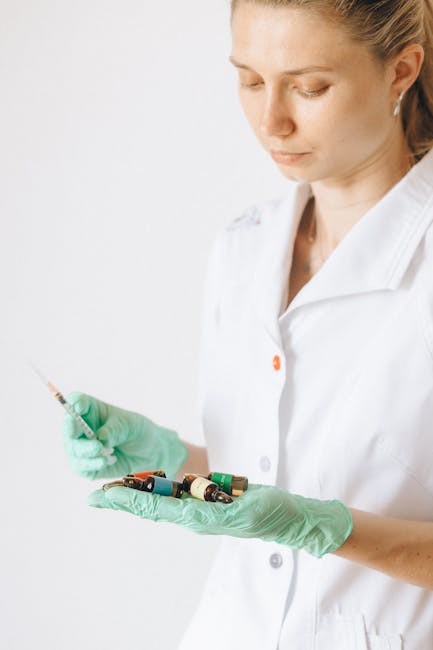
Pharmacies in Poland are called « apteka. » In Krakow you’ll find late-opening and sometimes 24-hour pharmacies, especially near the city centre and tourist areas. Pharmacies sell over-the-counter medicines (fever reducers, anti-inflammatories, antiseptics, cough syrups), and pharmacists can often help assess how urgent your issue is.
Some useful pharmacy addresses in Krakow:
- Apteka DOZ (Apteka « Pod Orłem »), ul. Floriańska 12, 31-021 Kraków. Hours: Mon–Sun 09:00–22:00 (extended hours in tourist areas). Over-the-counter medicines and English advice possible.
- Apteka 24h « Pod Lwem », ul. Józefa 5, 31-056 Kraków. Open 24/7 (check hours online). Ideal for urgent medication needs at night. Prices in euros: paracetamol 500 mg (20 tablets) ~€2–€4.

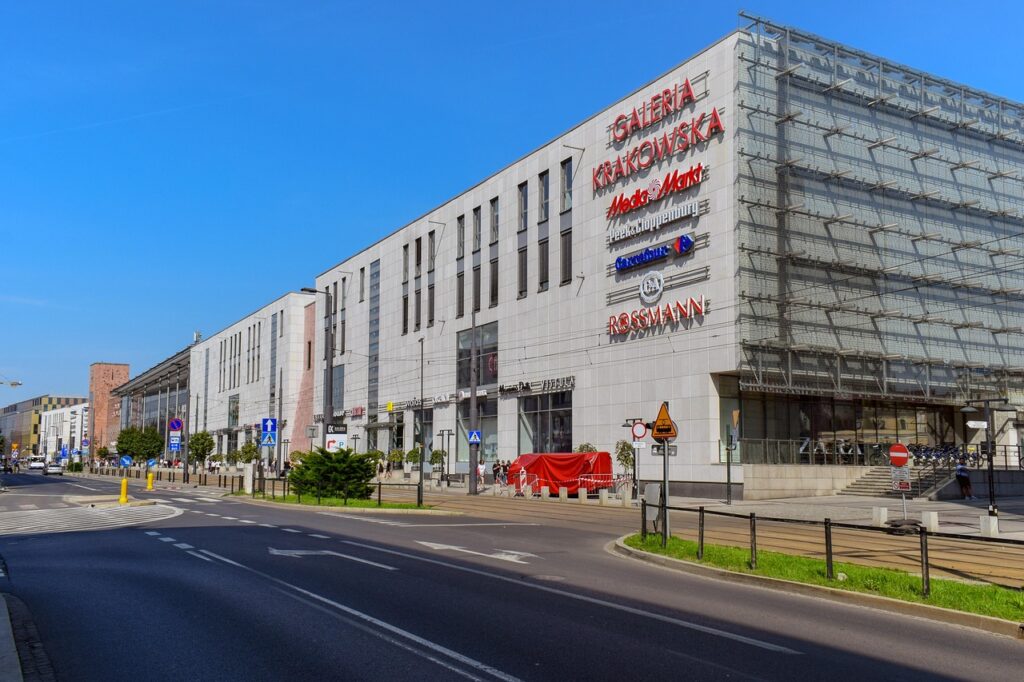
- Super-Pharm Kraków, Galeria Krakowska, ul. Pawia 5, 31-154 Kraków (near the train station). Hours: Mon–Sat 09:00–21:00, Sun 10:00–20:00. Large selection of health and beauty products; English-speaking staff.
Key points:
- Many medications in Poland require a prescription (« recepta ») for antibiotics and stronger anti-inflammatories. You’ll need to see a doctor to get these.
- Remember generic drug names (paracetamol = acetaminophen) and note the active ingredient so you don’t accidentally take duplicate meds if you’re already on treatment.
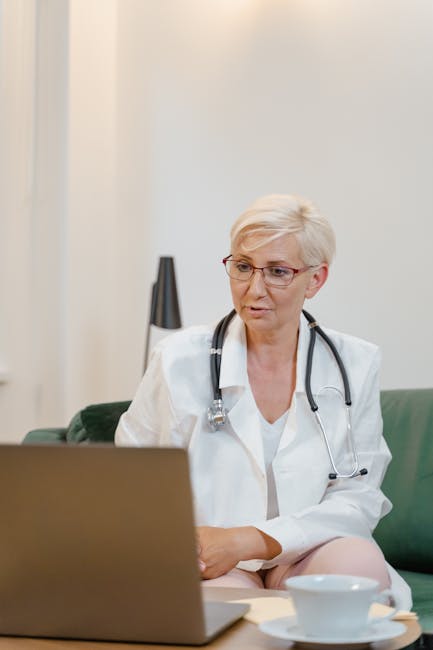
- If you need a prescription but can’t see a doctor in person, some private clinics offer teleconsultations and can send an e-prescription to a local pharmacy for collection; teleconsultation fees are often €20–€50.
Specialties, hospitals and care for specific needs: maternity, dental, travel medicine
Krakow has specialist facilities for maternity care, dental surgery, travel medicine and long-term care. For pregnancy, public maternity wards accept patients with local insurance or EHIC; however, many foreign patients prefer private clinics for English-language care and private rooms.
- Klinika Ginekologiczno-Położnicza Szpitala im. Jana Pawła II, ul. Prądnicka 80, 31-202 Kraków. Maternity and gynecology. Contact in advance to learn admission procedures for foreign patients.

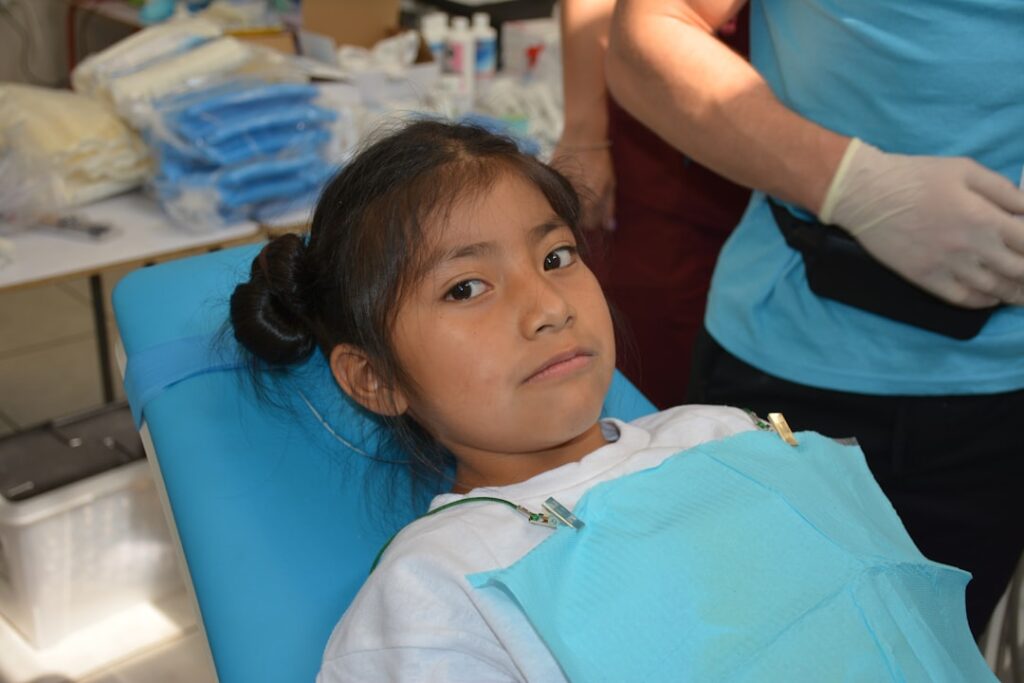
- DentalArt Centrum Stomatologii, ul. Starowiślna 10, 31-032 Kraków. Dental clinic for emergencies (toothache, infections, extractions). Emergency hours: Mon–Fri 08:00–18:00; after-hours emergency via a 24h dental clinic. Prices: dental consultation €30–€60; simple extraction €40–€120.
- Centrum Medycyny Podróży (Travel Medicine Clinic), ul. Szlak 77, 31-153 Kraków. Consultations for vaccines, malaria prevention advice, and travel prescriptions. Vaccination consultations: €30–€70 depending on required vaccines (hepatitis, yellow fever not available locally).
Advice for specific cases:
- Maternity: check with your insurer before giving birth abroad and make sure repatriation coverage is in place if complications occur. Bring your prenatal records and, if possible, translated medical summaries.
- Dental: emergency dental care is relatively affordable compared to some other European countries, but for major treatments (implants) ask for a detailed quote and the expected follow-up timeline.
- Vaccines and prevention: most travel vaccines are available at specialized clinics; try to book at least 4–6 weeks before departure when possible.
Conclusion — Prepare well and enjoy Krakow safely
Traveling to Krakow means, as with any major tourist city, knowing where healthcare resources are nearby. In short: memorize emergency numbers (112, 999), keep your EHIC/CEAM and travel insurance details to hand, and opt for private clinics if you want speed and English-speaking assistance. Public hospitals like Szpital Uniwersytecki w Krakowie or Szpital im. Jana Pawła II have full emergency services, but waiting times can be long without prioritization. Private clinics (Medicover, Lux Med) offer fast consultations, tests and prescriptions in English, and we’ve provided indicative prices to help you budget.
Pharmacies (apteka) are everywhere and good for minor ailments—find a 24-hour apteka near your accommodation for night-time needs. For specialized care (maternity, dental, travel medicine), Krakow offers modern facilities used to international patients. Always ask for an estimate, keep receipts and contact your insurer for reimbursement.
Finally, local practical tips: carry a small first-aid kit with plasters, antiseptic, paracetamol and an antihistamine; note your embassy or consulate address in Krakow; and install useful apps (Google Maps, and the Lux Med/Medicover apps if you plan to use their services). With a little preparation, health issues won’t spoil your trip and you can fully enjoy Krakow’s historic and cultural riches—from Kazimierz’s cobbled streets to the views from Wawel Castle—worry-free.
Have a great stay and take care: a well-prepared trip is always safer and more enjoyable.