





Introduction: History and Modernity — Kraków’s Cultural Metamorphosis
Kraków (Kraków) is often seen as a living museum: cobbled streets that feel carved in stone, medieval façades and Gothic spires puncturing the skyline. But beneath that timeless surface a dynamic transformation is unfolding. Since the late 20th century, the city has been staging an ongoing conversation between heritage and innovation, rethinking cultural spaces to meet contemporary needs for creation, memory and accessibility. This article explores how Kraków blends history and modernity across museums, arts centres, repurposed industrial sites and ambitious urban projects.
The city doesn’t just preserve — it recomposes. Historic institutions like Zamek Królewski na Wawelu (Wawel Royal Castle) are experimenting with new ways to present their collections, while post-industrial sites are being turned into platforms for contemporary art. The Kazimierz district, once the heart of Jewish life in the city, has become a laboratory where memory and nightlife coexist, and where emerging galleries converse with restored synagogues. Likewise, old warehouses along the Vistula have been converted into multifunctional spaces hosting exhibitions, festivals and independent cafés. This fusion of past and present is what gives Kraków its distinctive character today.
In this practical, professional guide aimed at curious travellers, I give concrete details—places, addresses, opening times and euro prices—so you have a hands-on roadmap. We’ll visit both the major institutions—the Wawel, Rynek Główny with St. Mary’s Basilica and the Sukiennice—and contemporary hubs like MOCAK (Museum of Contemporary Art in Kraków), the Fabryka Schindlera (Oskar Schindler’s Enamel Factory) and Cricoteka (Tadeusz Kantor Museum). I’ll share local tips to make the most of your visits: best times to avoid crowds, combo tickets, transport and cafés to extend your cultural experience.
This reading goes beyond a mere list of sights: it places each site in its historical context, details how it was renovated or reimagined, and conveys the sensory experience you can expect—the lighting in an exhibition room, the acoustics of a chapel, the view from a terrace over the Vistula. Finally, I focus on how Kraków’s residents live in and use these spaces day to day: hands-on workshops, cultural cafés, specialist bookshops and seasonal events. This dossier will help you understand how Kraków, faithful to its past, is decisively turning toward the future.
1. Living Heritage: How Historic Monuments Become Dynamic Spaces
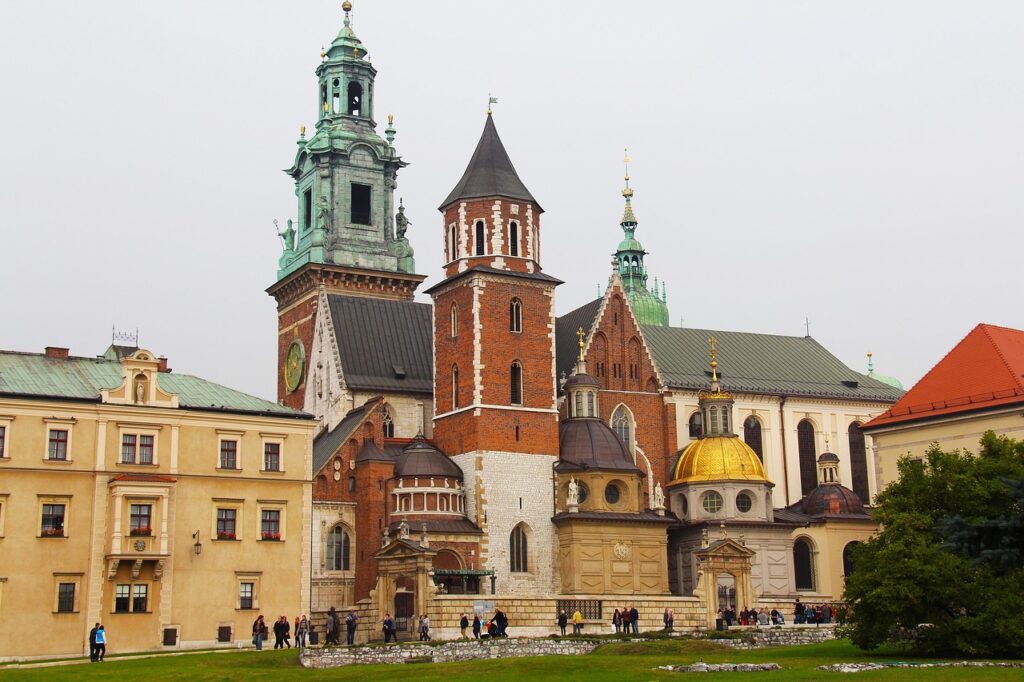
Kraków’s heritage landscape is rich and centered around Wawel Hill and the Rynek Główny (Main Market Square). Far from being frozen in time, these sites have been adapted to offer refreshed experiences for visitors. Take the example of Zamek Królewski na Wawelu (Wawel Royal Castle), located at Wawel 5, 31-001 Kraków. The castle, run as a museum, offers several routes: the Royal Apartments route, the Crown route and temporary exhibitions. Opening hours: April–October 9:30–17:00; November–March 9:30–15:30 (hours vary by section). Prices: combined ticket for main exhibitions around €12 (indicative price 55 PLN), student and senior discounts available, free admission for children under certain conditions. Wawel has modernized its mediation tools: multilingual multimedia guides, mobile apps and interactive displays that reframe objects within their historical narratives.
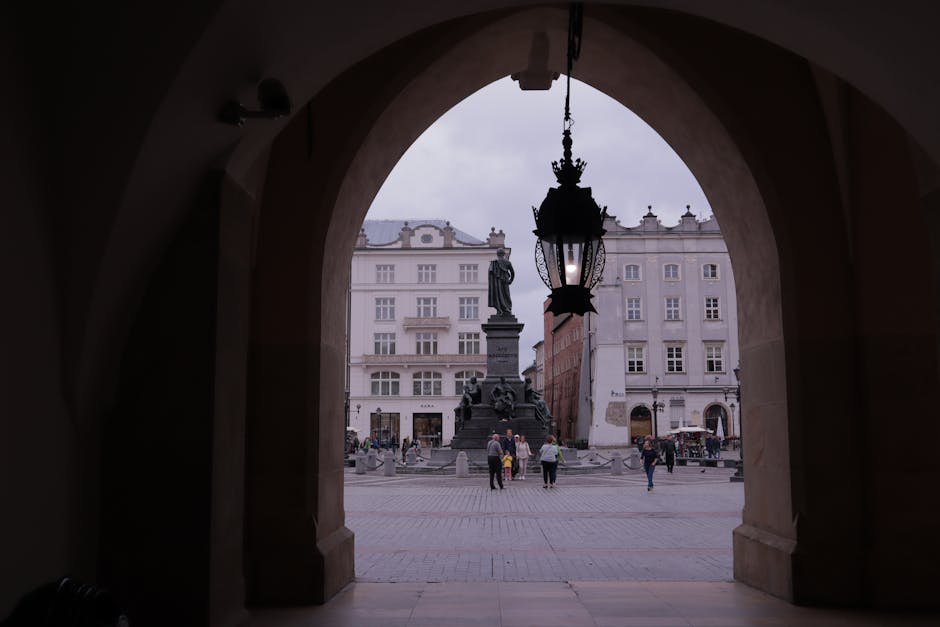
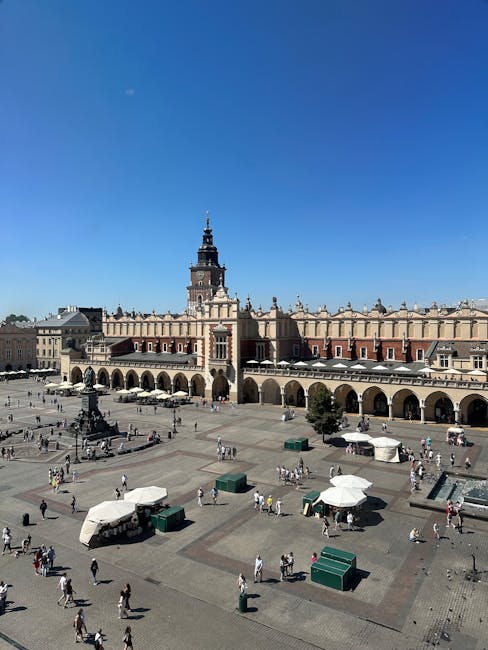
Another major example is Rynek Główny 1 (Main Market Square), the medieval heart of the city. The Sukiennice (Cloth Hall), Rynek Główny 3, now houses a ground-floor craft market and, on the first floor, the 19th-Century Painting Gallery of the National Museum. Opening hours: 10:00–18:00, closed Mondays during certain periods; tickets: €6–8 (about 30–40 PLN). St. Mary’s Basilica (Kościół Mariacki), Plac Mariacki 5, offers a sensory experience: climb the tower for panoramic views over the city (ticket around €4), and every hour the trumpet call (Hejnal) resounds from the tower, continuing a medieval tradition.
The modernization of monuments goes beyond visitor services. It also involves sustainable, participative management: restorations carried out by local workshops, awareness of period materials, and education programs for schools. Wawel regularly hosts artist residencies and performances in its courtyards, turning formerly strictly museum spaces into living creative venues. Similarly, churches and chapels serve as concert halls for baroque and contemporary music, with ticket prices varying (concerts often from €8–15).
Practical tips: to avoid queues at Wawel and Rynek Główny, aim for early morning visits (or late afternoon in low season). Buy skip-the-line tickets online from official sites (English pages available) and consider the Kraków Tourist Card if you plan to visit several museums—it can offer significant savings. Also, take time to wander the small courtyards and side streets: you’ll often find artisan workshops, old bookshops and historic cafés (e.g. Café Camelot, ul. Św. Tomasza 17, open 09:00–23:00, coffee around €2–4).
2. Brownfields and Reuse: When Industry Feeds Contemporary Creation
Kraków has successfully turned its industrial brownfields into thriving cultural spaces. A prime example is Oskar Schindler’s Enamel Factory, now Muzeum Historia Krakowa — Fabryka Schindlera (Oskar Schindler’s Enamel Factory), located at ul. Lipowa 4, 30-702 Kraków. The factory offers an immersive museum scenography focused on 1939–1945 and everyday life under occupation. Opening hours: Tuesday–Sunday 10:00–18:00 (closed Mondays), adult ticket around €9 (38 PLN), online reservation recommended. The former factory’s working-class architecture provides an authentic setting that amplifies the narrative power of the exhibitions.
Nearby, MOCAK — Museum of Contemporary Art in Kraków (ul. Lipowa 4 is also within the MOCAK/Schindler complex) was established to showcase contemporary art in a modern building adjacent to rehabilitated industrial zones. MOCAK runs international exhibitions, artist residencies and educational programs. Typical opening hours: 11:00–19:00 (Tuesday–Sunday), adult ticket around €6–8 (25–35 PLN). Evenings and special events can be free or paid depending on the program.
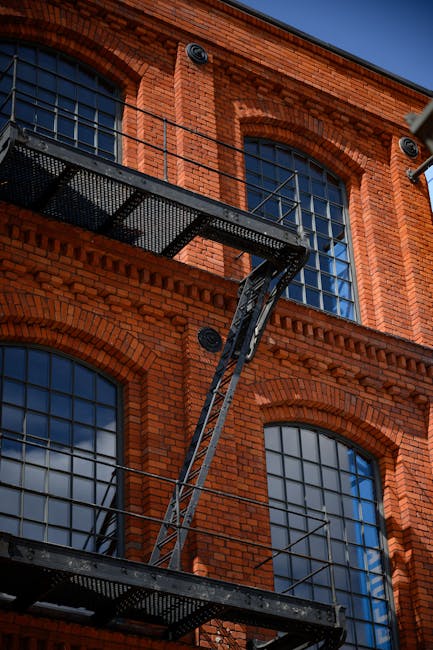
The success of these conversions rests on several factors: preserving industrial structures for their authentic value, adding contemporary infrastructure (air conditioning, museum-grade lighting, multimedia installations), and connecting them with the urban fabric (transport, cafés, creative accommodations). These venues draw not just tourists but also local creators, art students and cultural start-ups. The result: brownfields become ecosystems mixing high-level exhibitions, film festivals, design markets and music nights.
Another model of reuse is Cricoteka — the Centre for the Study and Presentation of Tadeusz Kantor’s Work, located at ul. Nadwiślańska 2-4, 30-527 Kraków. Cricoteka is a living centre, with a museum dedicated to Kantor, an experimental theatre and archive spaces refashioned into contemporary exhibition rooms. Opening hours: 11:00–18:00 (varies with performances and residencies), museum tickets around €4–6 (15–25 PLN); performance ticket prices vary.
Local tips: to fully grasp industrial conversions, plan an afternoon visit to enjoy the cafés and restaurants that have moved into these areas. For example, the MOCAK Café on site serves pastries and coffee around €3–5. Photographers should favour the golden hours (late afternoon) to capture the geometry of the buildings and the contrast between old brick and modern façades. Also check residency and exhibition opening schedules—attending a vernissage can often be free and offers a great way to immerse yourself in the local art scene.
3. Districts of Memory and Urban Renewal: Kazimierz and the Vistula Banks
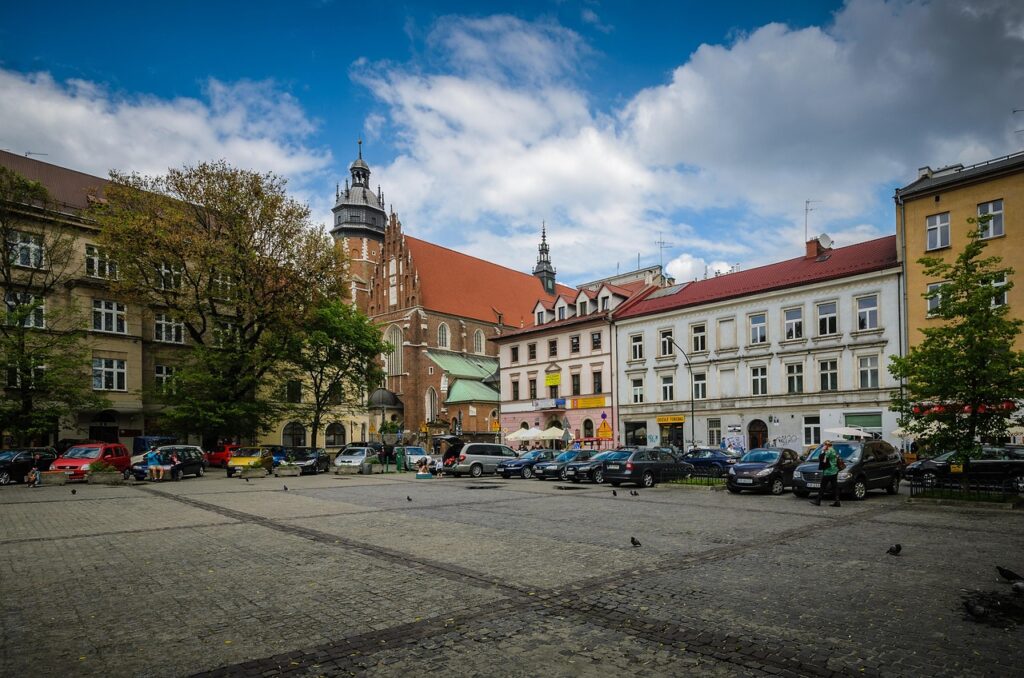
Kazimierz perfectly illustrates the dialogue between memory and contemporary life. Formerly a ghetto and the centre of Jewish life before World War II, Kazimierz has been gradually rehabilitated: restored synagogues, museums and memorial sites sit alongside bars, restaurants and galleries. The Galicja Jewish Museum (Galeria Żydowska) is located at ul. Dajwór 18, 31-052 Kraków. It presents exhibitions on the Jewish history of the region with a sensitive, educational approach. Opening hours: 10:00–18:00, closed Mondays; adult ticket around €4–6 (15–25 PLN).
Stroll down Józefa Street and Plac Nowy to feel the transition: on one side, synagogues such as the Remuh Synagogue (ul. Szeroka 40) — part of the historic route — and on the other, small contemporary art galleries, cafés and local designers’ shops. Kazimierz is also a culinary laboratory: restaurants like Restauracja Starka (ul. Józefa 14) serve Jewish- and Polish-inspired dishes, mains around €8–15, typically open 12:00–22:00. The contrast between commemoration and everyday life is palpable, and it’s precisely this coexistence that gives the neighbourhood its cultural strength.
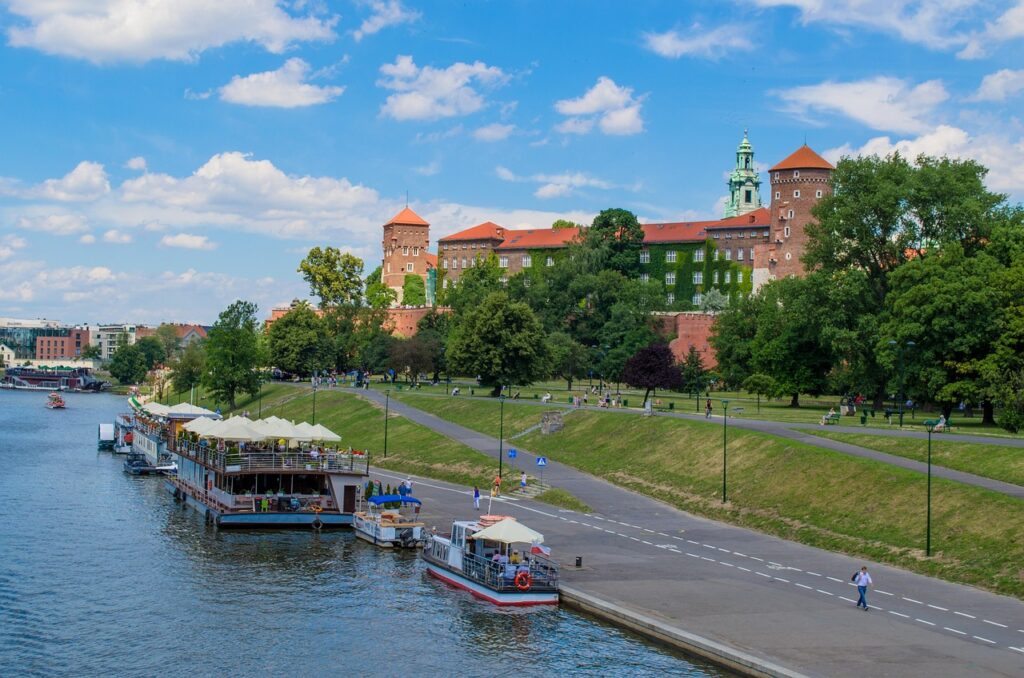
The right bank of the Vistula, with its quays and former warehouses, has been redeveloped into open public space. The boulevard along the Vistula offers walks, temporary art installations and seasonal cafés. The “Nowa Huta” project to the southeast — though of a different era (socialist period) — has also seen initiatives to highlight its modern heritage, with guided tours and cultural centres in former industrial blocks.
Kraków has implemented participatory conservation policies: multilingual information plaques, audio-guided routes and signage that weave together personal stories and photographic archives. Events like the Kraków Jewish Culture Festival (usually June–July) strengthen the neighbourhood’s living identity, mixing concerts, film screenings and literary meetings. Participants can buy tickets for specific events (prices vary, often €5–20).
Practical tips: Kazimierz is best explored on foot. For memory-focused tours, hire a local guide (about €10–20 per person for small groups) who can provide nuanced historical perspectives. Note that synagogues and museums often close earlier (16:00–18:00), so plan accordingly. In the evenings, check out the jazz bars and clubs that animate Kazimierz: concerts are often free or ticketed (€5–10).
4. Contemporary Centres, Small Stages and Civic Participation
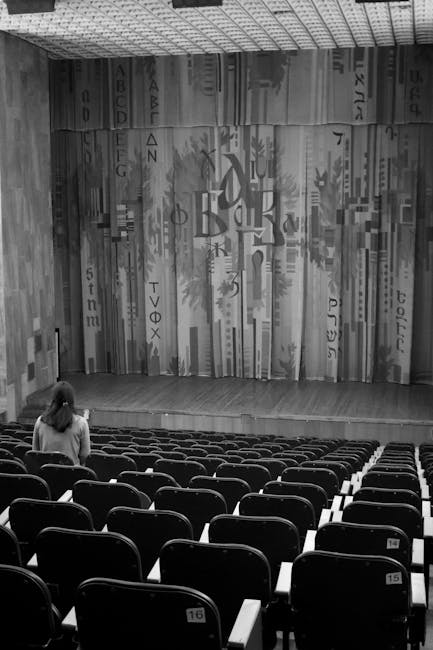
Alongside the major museums, Kraków has a dense network of small venues and cultural centres that foster experimentation. The ICE Kraków Congress Centre, ul. Konopnickiej 17, 31-155 Kraków, is a versatile modern space hosting conferences, exhibitions and concerts. Opening hours vary by event; ticket prices depend on the program (events typically range €10–60). More intimate venues like Teatr Stary (Old Theatre, Plac św. Ducha 1) and Teatr Ludowy (al. Krasińskiego 34) continue to present contemporary dramaturgy alongside reinterpreted classics.
Younger generations are also claiming public space through festivals and participatory projects. Unsound (international festival of contemporary and electronic music) and the Conrad Festival (literary festival) draw international audiences and encourage pop-up venues, site-specific performances in heritage sites and creative residencies. These events often sell day tickets or passes (prices vary: single sessions from €10 to full passes €60–120) and include artist talks.
Libraries and archives, such as the Jagiellonian Library (Biblioteka Jagiellońska, ul. Rajska 12, 31-124 Kraków), also play a central cultural role. They offer not only heritage collections but coworking spaces, temporary exhibitions and workshops (open 09:00–20:00 on weekdays, with free or symbolic access fees for some exhibitions). Independent bookshops—Massolit Books & Café (ul. Felicjanek 4), for example—are hybrid places where you can read, have coffee and join author talks.
Civic participation is key to the cultural reinvention: participatory budgets to enhance public spaces, volunteer initiatives in museums, and intergenerational educational programs. Most cultural centres offer creative mediation workshops for children and adults (painting, screen-printing, theatre) with typical fees €5–20 depending on duration and materials included.
Tips: check official websites and local event pages (Eventim.pl, eBilet.pl and institutions’ Facebook/Instagram pages) for up-to-date programming. If you want to experience the contemporary scene, plan your trip around a festival (Unsound, Conrad, Nowa Huta Film Festival) and book tickets in advance. Don’t miss museum night openings and vernissages, which often provide a more intimate, less touristy experience.
Conclusion: Preserved Tradition and Renewed Creativity
Kraków pulls off a rare feat: combining respect for heritage with contemporary boldness. The city isn’t frozen in a museum-like past; it puts that past into dialogue with present forms of expression. Historic monuments such as Zamek Królewski na Wawelu (Wawel Castle, Wawel 5, 31-001 Kraków) and Rynek Główny remain must-sees, but they’ve been transformed into living platforms thanks to updated mediation tools and diverse cultural programming. Meanwhile, brownfields like the former Fabryka Schindlera (Oskar Schindler’s Enamel Factory, ul. Lipowa 4, 30-702 Kraków) and the MOCAK area provide authentic backdrops for contemporary art and memory work.
Memory districts like Kazimierz (ul. Józefa, Plac Nowy) show the city’s ability to incorporate complex narratives, turning commemoration into an active form of urban life. Contemporary centres and small stages, supported by strong civic participation, make Kraków a fertile ground for artistic and social experiments. Libraries, bookshops, performance venues and festivals are essential—they animate daily life and attract a diverse mix of locals and international visitors.
For travellers, the best strategy is to combine classic sights with off-the-beaten-path discoveries: book tickets for major institutions online (Wawel, MOCAK, Fabryka Schindlera), drop into independent cafés and bookshops to get a sense of current trends, and hunt out temporary events (openings, concerts, festivals) that reveal the city’s contemporary face. Use trams or bikes to move between neighbourhoods quickly, and favour walking to fully sense the subtle architectural and social transitions.
Remember that Kraków is constantly reinventing itself: new conversion projects and heritage enhancement initiatives regularly appear. If you view the city as a living process rather than a fixed map, you’ll leave each visit with a richer, more nuanced impression of what it means to truly experience heritage today. Enjoy your cultural journey in Kraków: whether you’re a history buff, a trend curator, a photographer or simply curious, the city offers a palette of experiences where history and modernity answer and strengthen each other.