





Introduction: Why and how audio guides are changing museum visits in Krakow
Krakow, with its medieval alleyways, royal palaces and history-packed museums, draws millions of visitors every year. When you want to get the most out of sites that are often stuffed with objects and information, audio guides have become indispensable. They help you understand historical context, hear little-known anecdotes, access specialist commentary and set your own pace without being tied to scheduled group tours. In a city like Krakow, where museums layer centuries of history — from the royal Wawel to World War II memory and contemporary art — a well-made audio guide can turn a simple stroll into a cohesive, immersive experience.
This guide explains the practical side of audio guides in Krakow’s main museums: how they’re handed out, the formats available (loaned devices versus mobile apps), languages offered, typical costs and the best times to use them. It also covers the technologies behind them — GPS, Bluetooth beacons, QR codes — and gives local tips to make the most of your listening (best practices, courtesy toward other visitors, battery management, and options for people with reduced mobility). You’ll find concrete, up-to-date examples (place names, exact addresses, prices in euros and indicative opening hours) so you can plan your visit with no surprises.
Finally, we’ll offer recommendations based on what you’re looking for: a deep historical commentary, an immersive sound design, or a downloadable option to load on your phone before arrival. Audio guides don’t always replace a live guide, but they offer immediate access to content often created by curators and local historians. In Krakow, several major museums now provide guides in multiple languages — commonly English, German, French and Spanish, and sometimes Hebrew or Yiddish — reflecting the city’s cultural diversity.
By the end of this article you’ll not only understand how these tools work technically, but also where to pick them up, how much they cost in euros, when to visit to avoid crowds and how to get the most out of them for a rich, respectful visit. Practical details here (addresses, prices, opening hours) were correct at the time of writing; fees and schedules may change with the season or special events, so always double-check official sites before you travel.
How audio guides are provided and returned in Krakow museums
Distribution of audio guides in Krakow generally follows two main approaches: physical devices lent at the ticket desk and digital solutions you install on your smartphone. Most major museums offer at least one of these options, and many provide both to suit different visitors. Here’s how it works in practice, with examples from the city’s highlights.
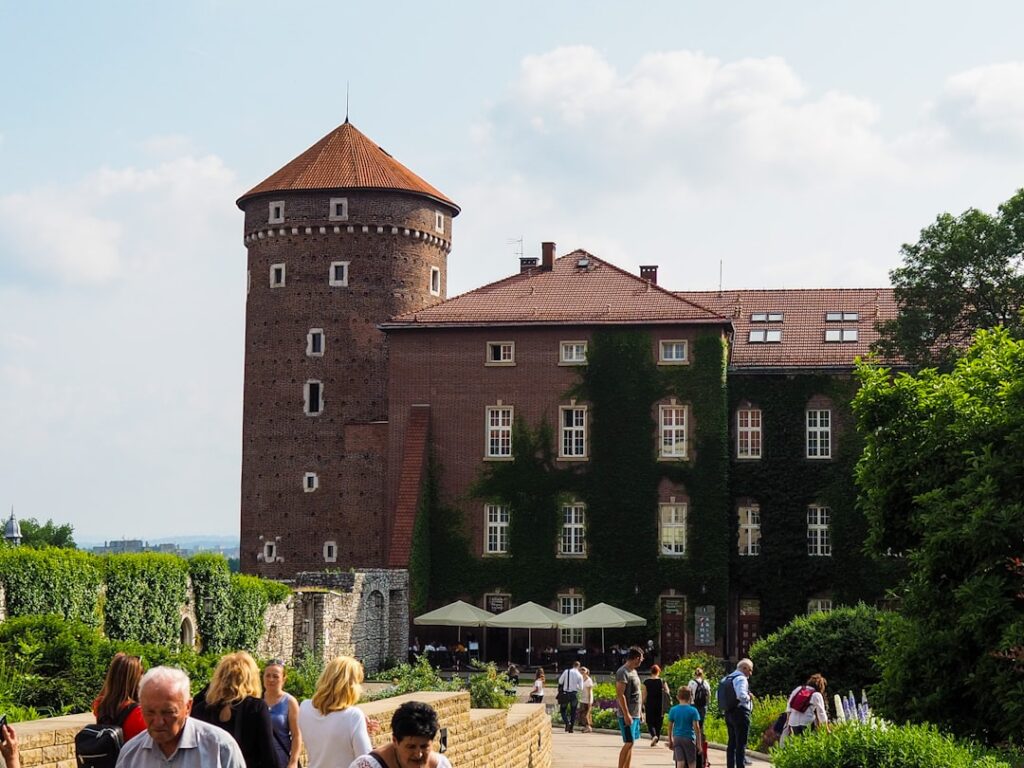
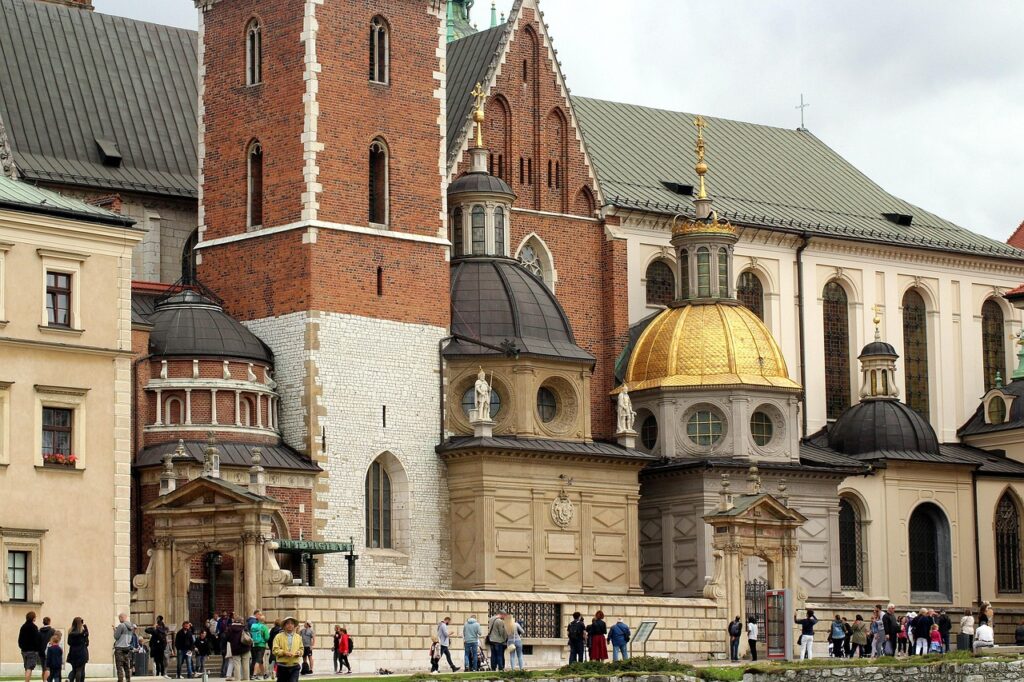
Option 1 — loaned device: when you arrive, you buy your ticket (or show your reservation) at the desk and receive a handheld multimedia device and disposable or reusable earphones. These units are often simple audio players with a screen and buttons to navigate sections. Practical example: Wawel Royal Castle (Zamek Królewski na Wawelu), Wawel 5, 31-001 Kraków, offers audio guides for permanent exhibitions and some routes. Typical price: €8 for a standard audio guide (price at time of publication), including earphones and cloakroom access; castle opening hours are usually 9:30–17:00 (times vary by season). You return the device on departure and may need to pay a deposit.
Option 2 — mobile app: more and more museums provide iOS and Android apps to download. These apps include audio recordings, interactive maps, images and sometimes video content. The advantage: you use your own earphones and phone, you can listen offline after downloading the files, and apps often receive updates and multi-language versions. Practical example: the Oskar Schindler’s Factory Museum (Muzeum Fabryka Schindlera), ul. Lipowa 4, 30-702 Kraków, offers a downloadable app that complements the exhibition and provides tracks in English, Polish, German and French. Typical price: museum entry about €7 (app free or included in admission); opening hours: 10:00–18:00, closed on Mondays.
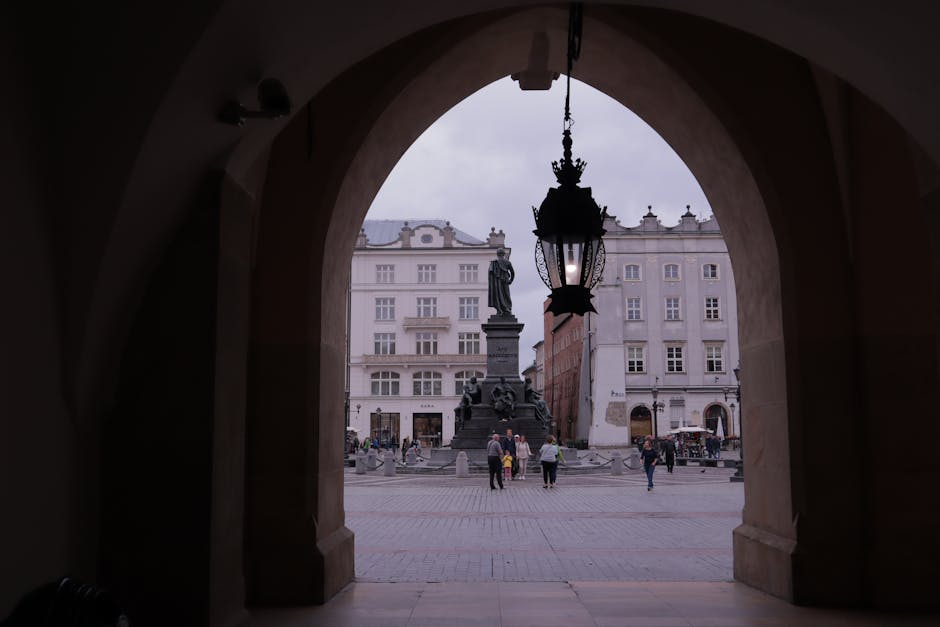
Option 3 — QR code-based audio: some sites, especially temporary shows or smaller museums, display QR codes next to exhibits. Scan them to access short audio files or enhanced text. This is a cheap and convenient solution for quick visits. Example: the Rynek Underground Museum (Muzeum Krakowa Rynek Underground), Rynek Główny 1, 31-042 Kraków, sometimes uses QR codes for additional content; admission roughly €9–10 depending on the exhibit; opening hours: 10:00–20:00 (extended hours in high season).
Pickup and return: for loaned devices, the desk will often ask for ID or a cash/card deposit. Automated kiosks are becoming more common: you scan your receipt and the device is released. For apps, « pickup » simply means downloading the files or syncing your e-ticket with the app. Check loan policies and language availability before entering to avoid queues.
Technologies behind audio guides: GPS, Bluetooth, QR codes and beacons
Behind the simple experience of an audio guide lies a range of technologies. Knowing how they work helps you choose the best option and anticipate issues (signal loss, low battery, phone compatibility). In Krakow you’ll find all of them: standalone players, GPS-enabled apps, Bluetooth beacons and QR codes. Each has strengths and limits.
GPS: useful for outdoor routes or large sites (gardens, archaeological parks). GPS detects your approximate position and can trigger commentary automatically as you approach a point of interest. Limit: inside thick-walled buildings (like the National Museum’s galleries — Muzeum Narodowe w Krakowie, al. 3 Maja 1, 30-062 Kraków), the signal may be absent or inaccurate. National Museum admission: around €5 for the permanent exhibition; opening hours: 10:00–18:00, closed on Monday (check before you go).
Bluetooth beacons: small transmitters placed in rooms that communicate with your device via Bluetooth Low Energy (BLE). They trigger content with centimetre-level accuracy, ideal for tightly staged indoor routes such as the Rynek Underground or certain rooms at Wawel Castle. Pros: precision and reactivity. Cons: you need a recent device with Bluetooth enabled and sometimes location permissions granted.
QR codes: the simplest and most widespread solution in smaller exhibition spaces or for supplementary labels. Scan and listen via your browser or a dedicated app. It’s cheap and handy, but you have to be close to the code and have enough phone battery. QR codes are widely used at the Galicia Jewish Museum (Muzeum Galicja), ul. Dajwór 18, 31-052 Kraków; admission: about €5; opening hours: 10:00–18:00, closed on Monday.
Standalone players: provided by the museum, these work offline and are built to last. They’re perfect if you prefer not to use your phone or if your device has compatibility issues. Some museums (e.g. Wawel) offer premium versions with extra commentary, ambient music or children’s tracks.
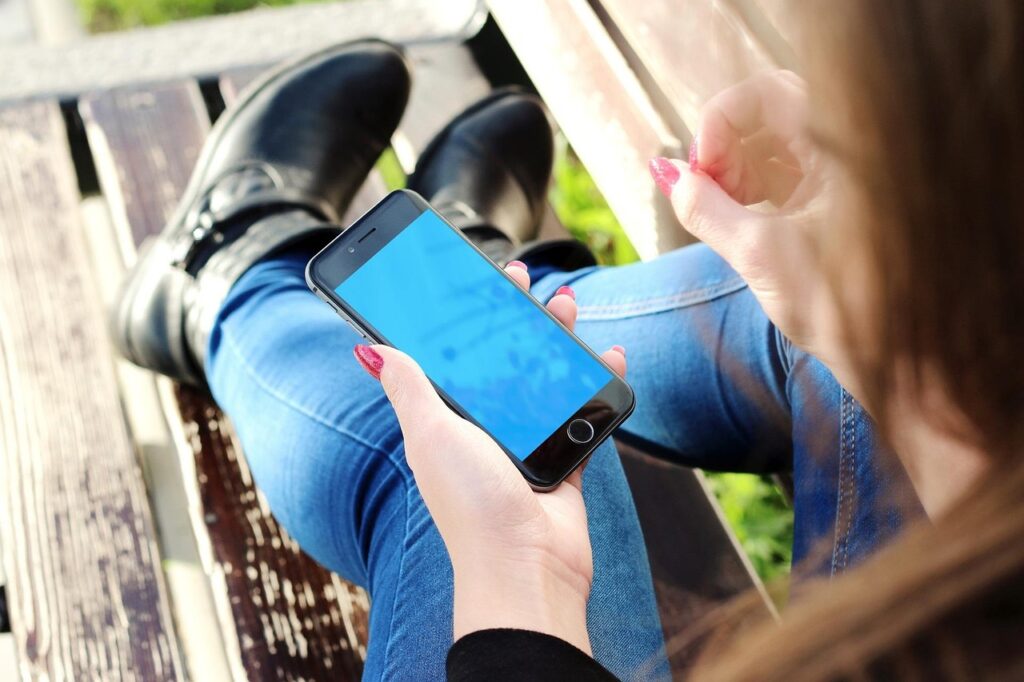
Practical choice: if you have a recent smartphone and a charged battery, opt for the official app or QR codes — cheaper and often richer in multimedia. If you don’t want to carry your phone or it’s older, take the museum’s device. Always check loan terms, available languages and—very important—whether the audio guide works offline to avoid roaming charges.
Audio guide content: types of commentary, length and depth
Not all audio guides are created equal. Content ranges from short descriptive blurbs to full thematic tours narrated by curators, actors or witnesses. In Krakow, museums often tap into local stories and audio archives to bring objects to life. Here’s what to expect in terms of structure and content.
Basic commentary: factual descriptions (date, maker, materials). Ideal for a quick visit. Length: 30–90 seconds per entry. Example: at the National Museum, the basic guide gives a short summary of each painting plus practical info.
In-depth commentary: historical and artistic analysis, context-setting. Length: 2–5 minutes per object. These tracks suit enthusiasts or students. Certain thematic routes at Wawel Royal Castle offer this level of detail, especially for the treasury and royal tombs.
Thematic tours: guides built around a narrative thread — “Royal Krakow,” “Jewish Krakow,” “World War II” — that link works and spaces to tell a coherent story. Oskar Schindler’s Factory Museum provides thematic routes combining photos, videos and oral testimonies to situate the collection in its historical context.
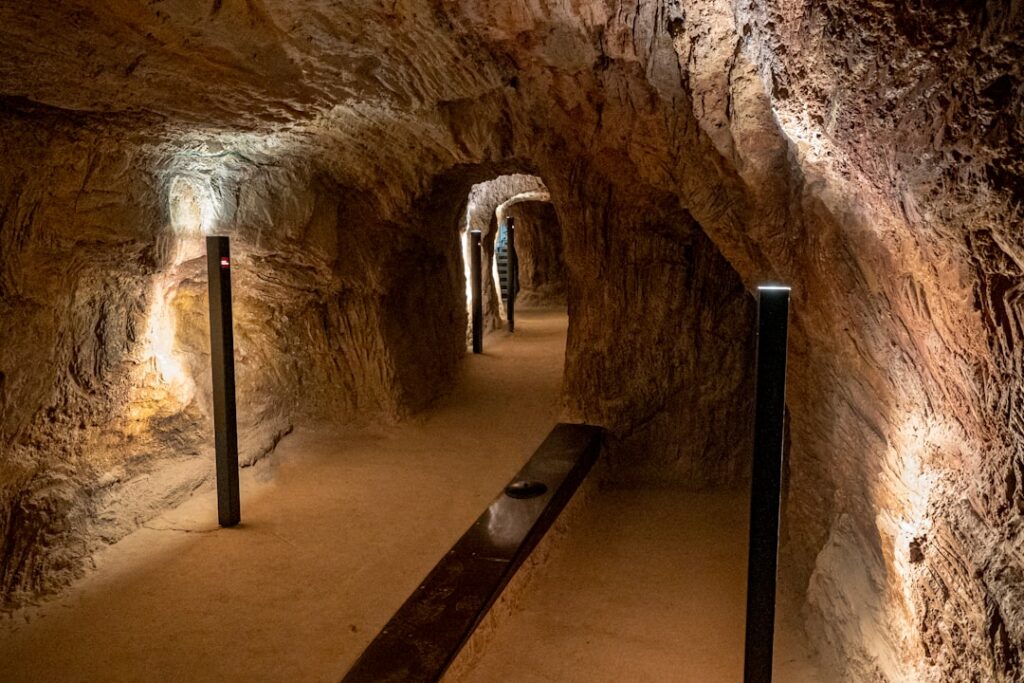
Multimedia content: zoomable images, archive videos, interviews and sound reconstructions. Mobile apps are best suited to this kind of material. For example, the Rynek Underground offers visual and audio reconstructions of archaeological layers that sync with the audio guide for full immersion.
Family and kid content: simplified tracks, discovery games and quizzes. Many museums now offer a kids’ tour in several languages. If you’re visiting with children, ask for a child-specific audio guide at the desk or download the children’s option in the official app when available.
Total length: a full audio guide can run from 30 minutes to several hours depending on how many points are covered. Plan according to your energy and crowd levels: it’s often better to split the guide into short sections and come back later. Some larger institutions also offer paid premium versions with extras (expert commentaries, additional foreign-language tracks).
Practical tips for using audio guides in Krakow and accessibility information
To get the most from an audio guide in Krakow, a few common-sense rules and local tips will make your visit smoother and keep the listening experience pleasant for others. Here’s a list of practical advice followed by accessibility notes.
- Check available languages: before buying, ask the desk what languages are offered. Most major guides include English, German, French and Spanish, but for rarer languages you may need to reserve in advance.
- Download in advance: if you choose an app, download the audio files before entering the museum to avoid using mobile data. This is essential for places like the Rynek Underground and some rooms at Wawel, where the signal can be poor.
- Bring comfortable earphones: if you use your phone, bring well-fitting, comfortable earphones for prolonged listening. Some museums provide disposable earphones, but audio quality is usually lower.
- Manage battery: bring a power bank if you’re using your phone as an audio guide. A full route can drain battery quickly, especially if the app uses location services or plays videos.
- Be considerate: keep volume low or use earphones, and avoid lingering too long in front of an object if others are waiting to listen to the next track.
- Ask for adapted versions: for visitors with hearing impairments, some museums offer transcripts or sign-language recordings on request. For visually impaired visitors, audio guides with extended descriptions or tactile options may be available; contact the museum in advance to arrange access.
- Combo tickets and discounts: many institutions offer combined tickets that include the audio guide or discounts for students, seniors and families. For example, combo tickets for Wawel and the Museum of the Wawel Cathedral can sometimes include a reduced audio guide rate.
- Hours and crowds: aim for morning or late-afternoon weekday visits to avoid peak times. Typical opening hours: National Museum (10:00–18:00), Oskar Schindler’s Factory (10:00–18:00), Rynek Underground (10:00–20:00). Some venues are closed on Mondays; always check official sites.
- Safety and etiquette: don’t leave earphone cables trailing, follow no-photo zones and follow staff instructions when returning loaned devices.
Accessibility: most major Krakow museums now emphasize inclusion. The National Museum (al. 3 Maja 1) and the Rynek Underground (Rynek Główny 1) offer lifts and accessible routes. For specific needs (extended audio description for visually impaired visitors, sign-language interpretation), contact the museum ahead of time to reserve suitable equipment and confirm availability.
One final local tip: if you have the time, visit the same museum twice at different times — the first visit to follow the general route, and a second to re-listen to or dive deeper into tracks that caught your interest. Audio guides are designed to be used on demand; use that flexibility to build your own narrative of Krakow.
Conclusion: Audio guides — a must-have to explore Krakow in depth
Audio guides are now an essential part of the museum experience in Krakow. Whether you’re exploring the sprawling historical collections at Wawel Royal Castle (Wawel 5, 31-001 Kraków), diving into detailed analysis at the National Museum (al. 3 Maja 1, 30-062 Kraków), following personal stories at Oskar Schindler’s Factory (ul. Lipowa 4, 30-702 Kraków) or experiencing the archaeological reconstructions at the Rynek Underground (Rynek Główny 1, 31-042 Kraków), an audio guide lets you stop, listen and feel more deeply. Freed from the constraints of a group, you can choose the language, level of detail and pace that suit you.
On the technical side, options vary — loaned players, personal phones, QR codes and Bluetooth beacons — but their aim is the same: to contextualize objects and tell the story of a city with a complex, multi-layered heritage. To get the best results, follow a few simple rules: download apps or audio files in advance, check languages and opening hours, bring a power bank and mind museum etiquette so you don’t disturb others. Also look for combo offers and concessions (students, seniors, families) that make visits more affordable.
Remember that audio guides don’t fully replace human contact: sensitive subjects (war memory, Jewish history) often benefit from mediation by trained guides. By combining audio guides with conversations with museum staff, you’ll get a balanced, enriching and deeply informative visit. In Krakow, the whole city reads like a large museum — a good audio guide is the key to decoding its layers, catching the details and returning home with a more complete and personal understanding of this exceptional heritage.
Before you go, double-check official museum websites for the latest opening hours and fees — the prices and times mentioned here are indicative at the time of writing. Enjoy your cultural trip to Krakow, and happy listening!