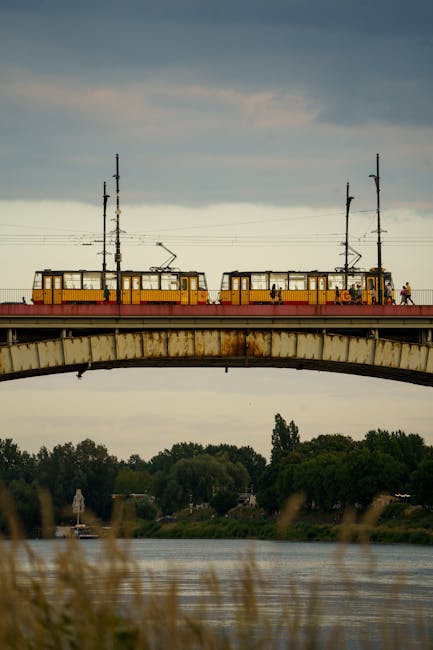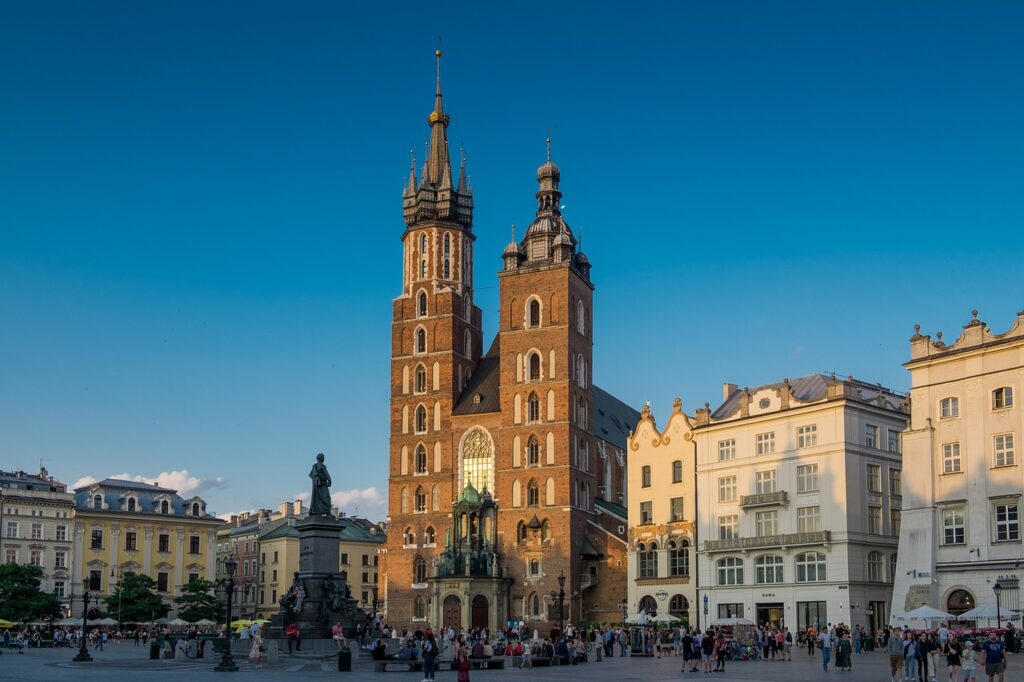





Introduction — Between history and modernity: Krakow’s tram network
Krakow (Kraków), the former capital of Poland, is a city where medieval history mixes daily with modern life. At the center of that blend is the city’s tram network — both a witness to Krakow’s industrial and social past and a driver of its modernization. Long tied to the old street patterns, Krakow’s trams have evolved from horse-drawn and early electric lines in the 19th century to the low-floor modern vehicles that crisscross the metropolis today. Understanding this network is a way of understanding Krakow itself: its neighborhoods, its tourist and residential flows, and its urban planning choices.
An introduction to Krakow’s tram system means taking in several layers: technical and political history (initial installation, nationalization, postwar reconstruction), the current urban network (main lines, radial axes toward Nowa Huta, Czyżyny, Podgórze), and the user experience (buying tickets, connections, schedules, accessibility). Whether you’re a short-term visitor, an urban photographer, or a local looking to optimize journeys, this guide offers a full picture: exact addresses for reference, practical schedules, fares shown in euros for clarity, and local tips to travel smarter.
Historically, Krakow’s tram network was a motor of industrial and social development — building lines accompanied the expansion of working-class districts (Nowa Huta) and improved access to stations and administrative centers. Today the network faces different challenges: preserving historic tracks in the old town, integrating new low-emission vehicles, and managing the massive tourist flow around Rynek Główny (the Main Market Square). For visitors, the tram is more than a utility: it provides city views, stops near landmarks (Wawel, Schindler’s Factory), and routes that reveal Krakow’s architectural transition.
In this guide you can expect immersive descriptions: precise addresses (for example Kraków Główny, Plac I. J. Paderewskiego 1, 30-068 Kraków), general schedules, fares converted into euros to make reading easier, and local advice — where to board to avoid crowds, which tram to choose for good Vistula (Wisła) panoramas, or how to combine tram and walking for a full day of sightseeing. The aim is to make the experience of Krakow’s tram network tangible — a mix of past and future, urban history and everyday mobility.
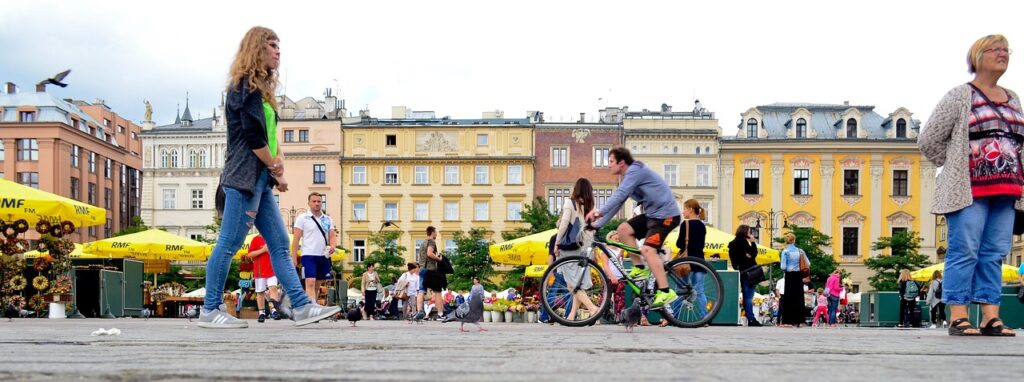
1) Routes, lines and must-see stops — understanding the current network
Krakow’s tram system includes many numbered lines (for example lines 1, 2, 3, etc.) linking the historic center to suburbs and industrial and residential districts. The central hub remains the area around the main station, Kraków Główny (Plac I. J. Paderewskiego 1, 30-068 Kraków), and the Main Market Square, Rynek Główny (Rynek Główny, 31-042 Kraków). These two points let you switch quickly between lines and catch trams heading toward Nowa Huta, Podgórze, and Bronowice.
Among the emblematic stops:
– Kraków Główny (Plac I. J. Paderewskiego 1): a major interchange with regional and international trains. Schedules: trams run frequently from around 05:00 until 00:30 on most lines.
– Rynek Główny / Plac Wszystkich Świętych (Rynek Główny, 31-042 Kraków): central stop, very busy with tourists; be careful during peak times (10:00–18:00).
– Wawel Castle (Wawel 5, 31-001 Kraków): served by stops near Podzamcze; ideal for combining a stroll with a climb up the castle hill.
The journey toward Nowa Huta shows a contrasting side of Krakow: modern trams running down the broad avenues of the communist era, ending at monumental squares like Plac Centralny im. R. Reagana (Nowa Huta). To reach cultural sites such as the Oskar Schindler’s Enamel Factory (ul. Lipowa 4, 30-702 Kraków), get off on the line that crosses Podgórze and walk a few minutes along the right bank of the Wisła.
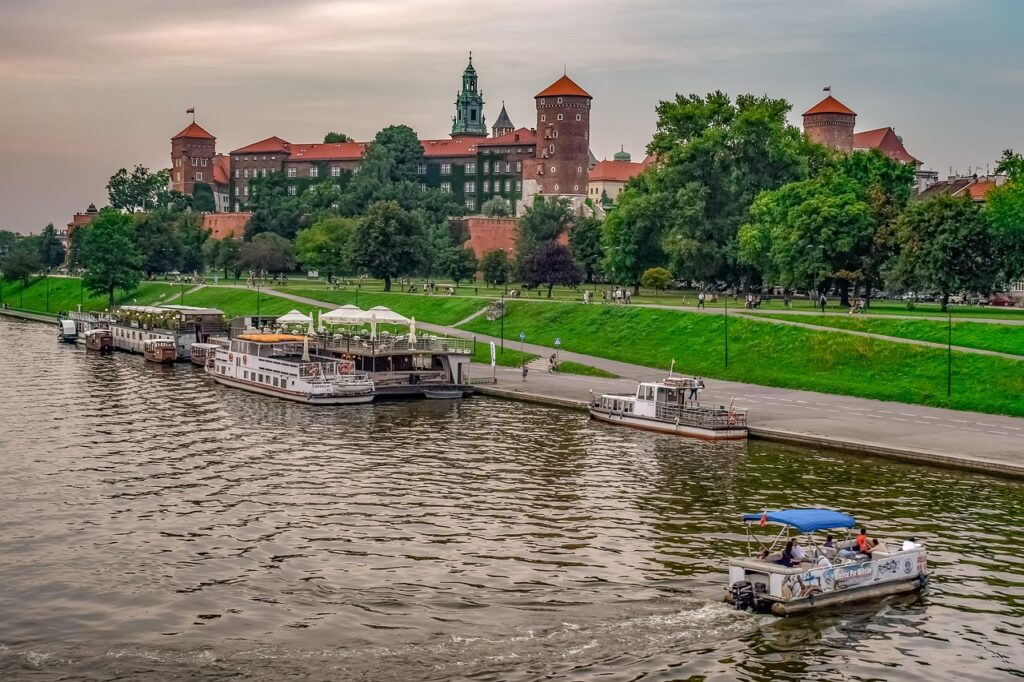
2) History and technical evolution — from horses to e-mobility
Krakow’s first trams appeared at the end of the 19th century, initially horse-drawn and then electric. Electrification, adopted early on, marked the start of a period of expansion. After the destruction of World War II, reconstruction involved technological and urban choices typical of the socialist era — wide boulevards, termini in satellite districts, and a push to serve industrial zones. Nowa Huta is the best-known example of tram-linked urban planning.
Since the 2000s, several modernization phases have been carried out: a gradual renewal of rolling stock with low-floor units (easier access for strollers and people with reduced mobility), track upgrades on priority axes, and the introduction of real-time passenger information systems at main stops. Recent projects also aim to green the network: cleaner power sources, traffic signal optimization to reduce energy use, and smoother integration with free-floating bikes.
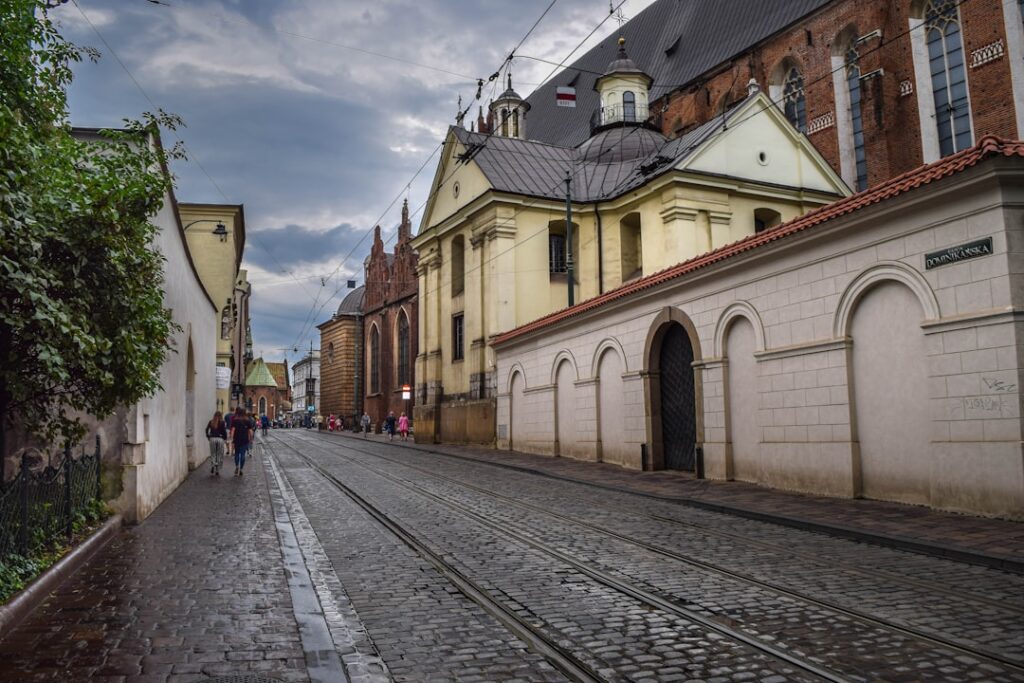
For visitors the effects are tangible: more comfort onboard, more luggage space, and clearer maps inside the vehicles. But the charm remains: some lines still pass through neighborhoods that recall the 19th century — brick facades, small cafés, and cobbles, giving the ride a heritage quality.
3) Tickets, fares, schedules and practical tips for travelers
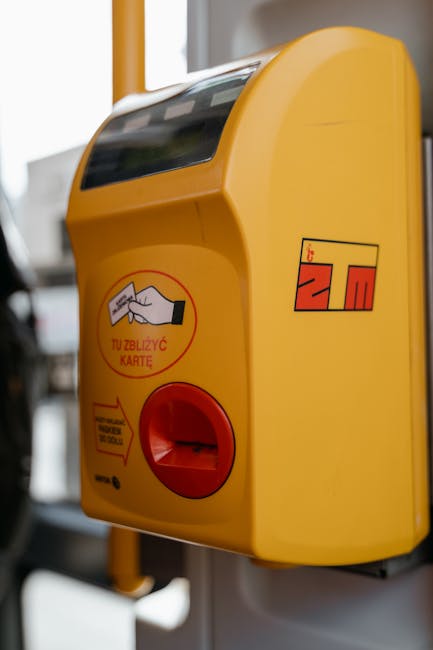
Getting your bearings with fares is essential. Tickets are available from machines at main stops, at « RUCH » kiosks, or via official mobile apps. Prices vary by duration and type (regular, reduced). To make it easier to read, here are rough guides in euros (approximate):
- Short ticket 20 minutes — about €0.90 (indicative price)
- Ticket 40 minutes — about €1.30 (indicative price)
- 24-hour ticket — about €3.20 (indicative price)
- 72-hour ticket — about €7.80 (indicative price)
Prices are shown in euros for visitors’ convenience; keep in mind that payments are actually made in zlotys (PLN) or by card through the app.
Schedules: most lines start around 05:00 and finish between 23:30 and 00:30. A night network of N lines (e.g. N1, N2…) covers main routes between 00:30 and 05:00; frequencies are lower, so check exact times on the MPK Kraków website or the Jakdojade app. For passengers: always check the destination displayed on the tram (front screens) and validate your ticket in the machine on board or before boarding if required.
Local tips:
- Board toward the rear of the tram during busy periods: fewer people and more standing space.
- At tourist stops (Rynek Główny, Wawel), avoid 11:00–15:00 to skip the crowds and get better photos.
- If you plan multiple trips in a day, the 24-hour ticket is often the best value.
- Keep your ticket validated until you get off: inspections are frequent and fines are steep.
4) Recommended routes and sightseeing combos
For visitors, combining tram and walking gives the best experience. Here are three suggested itineraries:
- Light historical route (2–3 hours): Get off at Rynek Główny (Rynek Główny, 31-042 Kraków), wander the square, then walk 10 minutes to Wawel Castle (Wawel 5, 31-001 Kraków). Easy access via lines that cross the Old Town. Tip: take the tram early in the morning for soft light on the facades.
- Museums and memory route (3–4 hours): Take the tram toward Podgórze and get off near the Oskar Schindler’s Enamel Factory (ul. Lipowa 4, 30-702 Kraków). Visit the museum (typical hours: 10:00–18:00 depending on season, paid entry — check prices online). Continue on foot to the Wisła riverbank for photo opportunities.
- Social and urban route (Nowa Huta): Take lines toward Nowa Huta to observe socialist urban planning — get off at Plac Centralny (Nowa Huta) and explore the large squares and avenues. Pair this with lunch at a bar mleczny (traditional canteen) to try inexpensive local dishes.
Conclusion — The tram as a guiding thread for discovering Krakow
Krakow’s tram network is far more than a transport system: it’s an urban backbone that tells the city’s industrial and social story while adapting to contemporary needs. For travelers, mastering the network brings not only practical advantages (speed, frequency, inexpensive fares) but also a unique way to « read » the city: from the medieval stone of the center to the monumental avenues of Nowa Huta, every trip is a short lesson in history and urbanism.
Before you go, keep a few recommendations in mind: buy tickets that match your plans (24 h for intensive touring), check night schedules if you’re out late, always validate your travel document, and travel during off-peak hours to avoid the tourist pressure at central stops (Rynek Główny, Kraków Główny). Local mobile apps and station information boards are your best tools to adapt your route in real time.
Finally, remember the network is continually evolving: line modernizations, rolling stock renewals, and extension projects are ongoing. Riding the tram is participating in Krakow’s living history — you cross it, photograph it, and understand it. Enjoy the rides, let the Vistula panoramas surprise you, and mix public transport with walks for a full and memorable discovery of the city.