





Introduction — Accident in Kraków? What to do right away (from 112 to the hospital)
Being involved in an accident in Kraków can be disorienting: heavy traffic around the Rynek Główny, cobbled alleys, tourists, trams and buses. This practical, step-by-step guide is aimed at travelers, expats and locals who need clear, immediately usable instructions — from the moment you dial 112 through emergency care and hospital follow-up. The goal is to reduce stress, speed up medical attention and avoid costly administrative mistakes.
Poland is a member of the European Union: the emergency number 112 works everywhere and will connect you to ambulance services (ratownictwo medyczne), the police (policja) and the fire brigade (straż pożarna). Still, knowing hospital addresses, admission procedures, approximate costs and language options makes all the difference. This guide gives you: practical checklists, numbered steps to follow on site, exact emergency addresses in Kraków, reception hours, indicative prices in euros and local tips (transport, pharmacies, translation).
First things first — breathe, secure immediate safety and follow the initial checklist below. In the sections that follow, each step is detailed with key phrases to say in English/Polish, addresses to give to 112 or a taxi driver, cost estimates (in euros) and recommendations for administrative follow-up: insurance, incident reports, using a medical interpreter and how to get prescriptions filled. This guide assumes you are in Kraków and have a smartphone with you — if not, find a witness to call 112 and ask for help from staff at a nearby café or shop.
1) Immediately after the accident — Safety checklist and calls (0–10 minutes)
Goal: protect the victim(s), prevent a secondary accident, and alert emergency services correctly. Duration: 0–10 minutes.
- Immediate checklist:
- Assess danger (fire, traffic, leaks).
- If possible, move the victim out of the dangerous area without twisting the spine (don’t move them if you suspect a serious spinal injury).
- Check breathing and consciousness — shout to rouse them, then open the airway.
- Call 112 (the European number) — ask for “ambulance” / in English: “ambulance, please”.
- If the victim is unconscious or in cardiac arrest, start CPR if trained — request an operator from 112 to guide you live.
- What to tell 112:
- Your exact location: street name and number, plus a landmark (e.g. “Rynek Główny, near St. Mary’s Basilica, Kraków”).
- Type of accident: car/pedestrian collision, fall, sudden illness, etc.
- Number of injured people and their condition (conscious/unconscious, bleeding, difficulty breathing).
- Your phone number and whether you speak English/Polish.
- Local tips:
- In Kraków, ambulances in the city center typically arrive in 8–15 minutes. Give a clear access point (square, tram stop) because Stare Miasto’s narrow lanes can be tricky.
- If a vehicle is involved, take photos (damage, license plates, vehicle positions), note the driver’s name and license number if possible.
2) Getting to the hospital — public ambulance, private ambulance or taxi? (10–45 minutes)
Goal: choose the safest, fastest way to get to care. Duration: 10–45 minutes depending on severity and traffic.
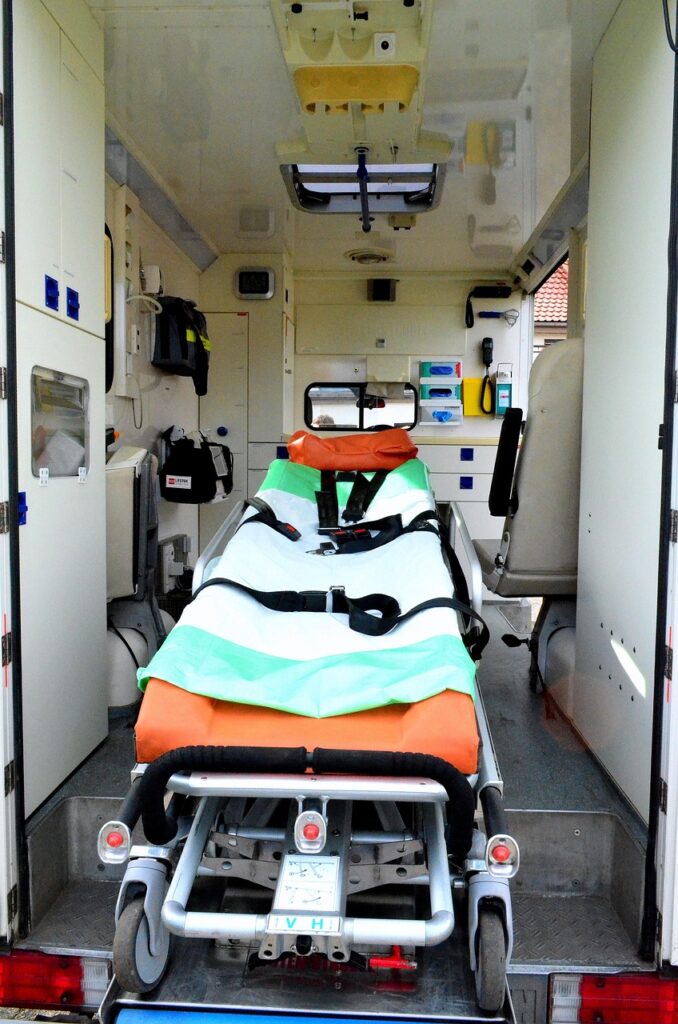
If the victim is in immediate danger (loss of consciousness, uncontrolled bleeding, breathing problems), accept the public ambulance (ratownictwo medyczne). The ambulance will transport to the most appropriate hospital (trauma center or emergency department). Ambulances in Kraków are equipped and transport to a public hospital is generally free for true medical emergencies — for tourists, some travel insurance policies reimburse this service; if you don’t have insurance, always choose public ambulance for serious situations (approximate cost 0–20 € for non-emergency interventions, varies).
If injuries are minor and the person can move independently: you can go by taxi or private car. A trip from Rynek Główny to the university hospital takes 10–20 minutes depending on traffic. Taxi rates roughly: 6–12 € for starting fare + about 1 € per km; typical city-center→hospital rides: 10–20 € (tip 2–3 € recommended). Local apps: iTaxi and Bolt operate in Kraków.
Emergency addresses to know (or to give to 112):
- Szpital Uniwersytecki w Krakowie — Emergency Department
Ul. Kopernika 36, 31-501 Kraków — Emergency 24/7. Quick access from the “Uniwersytet” tram stop / nearby bus stops. Public admission fee: free for emergencies. Languages: staff often speak English. Hours: 24/7. - Szpital im. Ludwika Rydygiera w Krakowie — Emergency Unit
Ul. Prądnicka 64, 31-202 Kraków — emergency service 24/7. Main access via tram 1/6 to the “Prądnicka” stop. Open 24/7. Costs: urgent consultations are free in genuine emergencies; tests (radiology, labs) may be charged if not covered by insurance: X-ray ~25–60 €, CT scan ~120–300 €.
If you opt for a taxi: give the exact address to the driver, show it on Google Maps and ask for the hospital closest to your insurance provider if relevant. Insist on a receipt (faktura) for reimbursement.
3) At the hospital — admission, paperwork, tests and detailed costs
Goal: get admitted successfully, receive necessary tests, understand costs and administrative procedures. Duration: 30 minutes to several hours depending on severity.
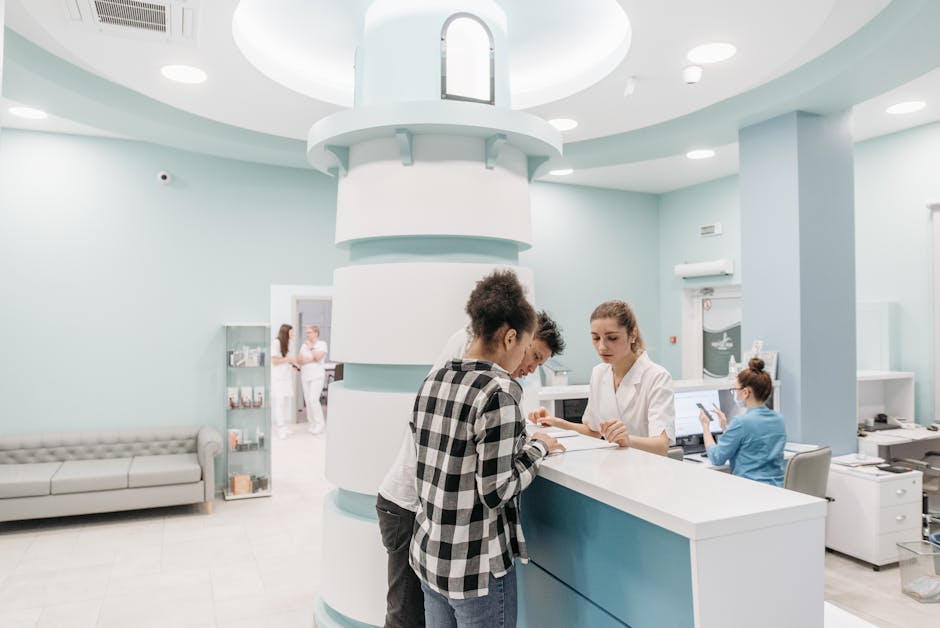
When you arrive at the emergency department (SOR – Szpitalny Oddział Ratunkowy), head to the emergency desk. You will be triaged: priority goes to life-threatening conditions. Here’s the “At the hospital” checklist:
- Documents to provide immediately:
- Identification (passport), European Health Insurance Card (EHIC/CEAM) if applicable (EU citizens).
- Private insurance card / policy number.
- List of medications and allergies.
- Contact details for someone to reach.
- Common tests and indicative prices (in euros):
- Initial emergency consultation: 0 € (public emergencies) — otherwise 20–60 € at a private clinic.
- X-ray: 25–60 €.
- CT scan (head/trauma): 120–300 €.
- Blood tests (basic panel): 20–80 €.
- Plaster casts / sutures: 30–150 € depending on materials and care.
- Language and interpreters:
- Staff at university hospitals often speak English. If you speak neither English nor Polish, request an interpreter at reception (niektóre szpitale oferują tłumacza). Telephone interpretation services typically cost 10–30 € if not provided by the hospital.
- Admission and inpatient care:
- If admission is required, you will be told the estimated length of stay and the procedures (surgery, imaging, observation). Visiting hours are generally set by each ward (check with the unit).
- For extended care, request a written cost estimate for your insurer.
4) After discharge — prescriptions, insurance, transport and legal steps
Goal: complete administrative tasks, obtain medications and follow-up care, and prepare a claim or incident report if a vehicle was involved. Duration: 1 day to several weeks.
- At discharge — ask for:
- A written medical summary (zwolnienie lekarskie / discharge summary) in English if possible.
- Detailed prescriptions (recepta); medicine prices: simple painkillers 2–10 €, antibiotics 5–30 € depending on the pack.
- Detailed invoices (faktura) for insurance: request a paper copy from the billing office (księgowość).
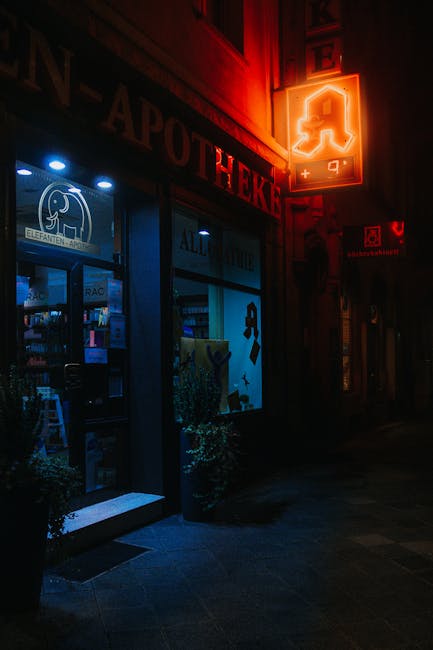
- Pharmacies (Apteka) open near the center:
- Apteka Gemini ul. Grodzka 46, 31-044 Kraków — open 24h, medicines and dressings. Cost of a full dressing kit: 5–20 €.
- Apteka Pod Ojcem Pio ul. Floriańska 12, 31-019 Kraków — hours roughly 9:00–22:00 (variable), EHIC accepted.
- Insurance and claims:
- Contact your travel insurance immediately — send: medical summary, invoices, photos, police report if relevant.
- If a car was involved, complete an incident statement (oświadczenie) with the other driver and call the policja if there are injuries or a dispute — you can contact police via 112.
- Post-hospital transport:
- Private ambulance for medical repatriation: 800–3000 € depending on distance (confirm with your insurer).
- Taxis / ride hailing for local travel: 10–25 €.
Conclusion — Stay calm and follow the procedure to recover better
An accident in Kraków requires a quick, organized and well-documented response: secure the scene, call 112, accept an ambulance if the condition is serious, go to a 24/7 emergency department (Szpital Uniwersytecki w Krakowie, Ul. Kopernika 36 or Szpital im. Ludwika Rydygiera, Ul. Prądnicka 64), and keep all documents for your insurer. This guide provided concrete checklists, phrases to use, addresses, price ranges and language tips. Always keep photos of the scene and witness contact details, request a written medical summary at discharge and get detailed invoices for your insurer. If you travel, keep a digital copy of your documents and note local apps (Bolt, iTaxi) for fast transport.
Practical tip: print or save this guide on your phone before any trip; memorize “112” and the hospital names above; note your insurance contacts. Preparation lowers stress and speeds up care — and in Kraków, hospital teams are experienced in handling tourists’ emergencies. Finally, always seek consular assistance if you are a foreign national and costs or language barriers become an issue: your embassy can help coordinate and arrange medical repatriation if needed.