





Introduction
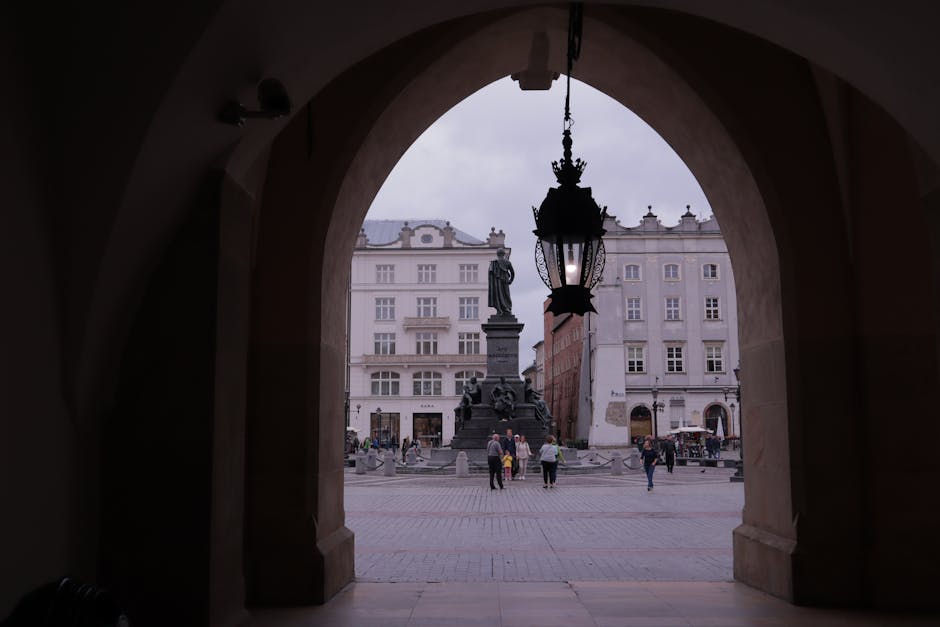
Kraków, the former cultural capital of Poland, is a city where history and art meet on every corner. For art lovers, it boasts an outstanding range of museums — from classic painting and decorative arts collections to spaces dedicated to contemporary avant-garde, foreign cultures, and the Jewish heritage of the region. Exploring these museums means not just admiring masterpieces but also understanding the social, political, and religious threads that have shaped the city and Poland over the centuries.
This guide highlights the 10 must-see museums in Kraków for art lovers. For each spot you’ll find the full name, exact address, entrance fees in euros, typical opening hours, an immersive description of the collections and atmosphere, plus practical local tips to make the most of your visit. Whether you’re into classical canvases, prints, decorative arts, modern works, or theme museums with strong historical context, this list covers a variety of venues to satisfy the most demanding curiosities.
Kraków’s museums are spread across the Old Town, Wawel Hill, Podgórze and Kazimierz. Some are housed in historic palaces or restored buildings, others in sleek contemporary structures — the contrast is striking. It’s common to be able to visit two or three museums on foot within the same neighborhood, which makes it easy to plan themed routes: classic painting in the morning, contemporary art in the afternoon, then an evening in a cozy café soaking up the old streets.
Note that prices and opening hours may change during temporary exhibitions, public holidays or high season. The information here is practical and up-to-date at the time of writing; check museums’ official websites before your visit for any changes. I’ve also added local tips — how to skip queues, which combined tickets are worth it, when to take an audio guide — to help turn a simple visit into a memorable experience. The 10 entries below are numbered to help you plan an efficient itinerary.
1. National Museum in Kraków — Main Building (Muzeum Narodowe w Krakowie, Gmach Główny)
Address: al. 3 Maja 1, 30-062 Kraków
Price: Full €6.00; Reduced €3.00; Free for children under 7. Combined tickets available for temporary exhibitions (€8–12).
Opening hours: Tuesday–Sunday 10:00–18:00; closed Monday (hours may vary during special exhibitions).
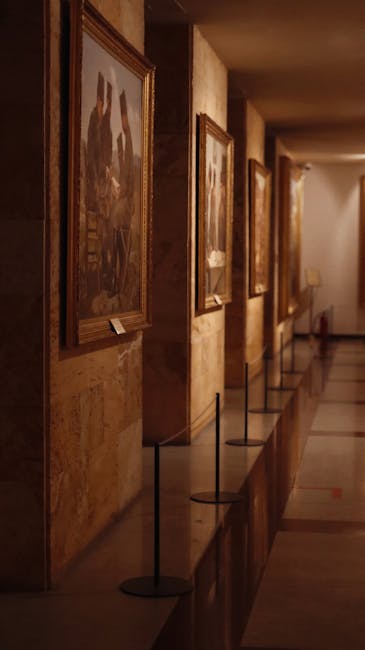
The Main Building of the National Museum is the grand vessel of classical and Polish art. Housed in an impressive, monumental structure, it holds a rich collection of 19th-century Polish painting (including works by Matejko), alongside sections for archaeology, decorative arts, and European painting. The spacious rooms, high ceilings and carefully considered lighting make it easy to absorb the works; the displays often link national history with artistic achievement.
Local tip: rent an English audio guide to place Polish masterpieces in context. Weekday mornings are quieter. If you plan to take photos, ask first — some rooms prohibit photography.
2. Czartoryski Princes Museum (Muzeum Książąt Czartoryskich)
Address: ul. Pijarska 15, 31-015 Kraków
Price: Full €10.00; Reduced €6.00; Combined tickets with temporary exhibitions €12–15.
Opening hours: Tuesday–Sunday 10:00–18:00; closed Monday.
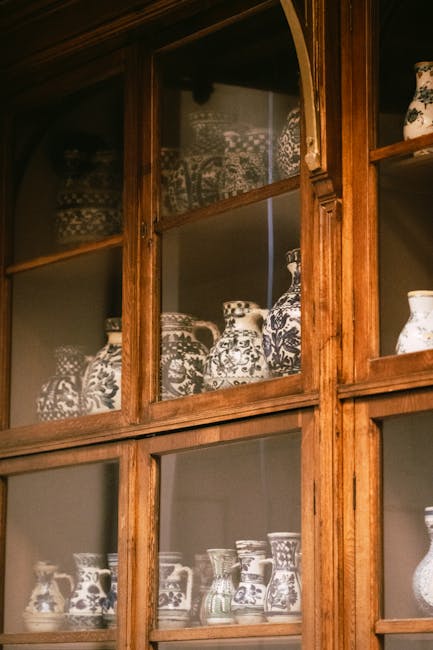
Famous for housing Leonardo da Vinci’s Lady with an Ermine, the Czartoryski Museum is an intimate treasure chest that also displays European paintings, historic arms, manuscripts, and precious objects. The small scale and atmosphere feel like a noble cabinet of curiosities: wood paneling, old display cases and soft light enhance a contemplative experience. The collection reflects the refined taste of a Polish aristocratic family and their pivotal role in preserving national heritage.
Local tip: book your ticket online to avoid queues — the Leonardo painting draws a crowd. Don’t miss the museum shop for illustrated editions on Italian and Polish art.
3. Wawel Castle — Art Collections (Muzea na Wawelu)
Address: Wawel 5, 31-001 Kraków
Price: « Treasures of Wawel » ticket €9.00; Combined palace and royal apartments tickets €12.00–15.00; reductions available.
Opening hours: Vary by section: generally 9:30–17:00, closed on some public holidays. Check each section separately (chapel, apartments, treasury).
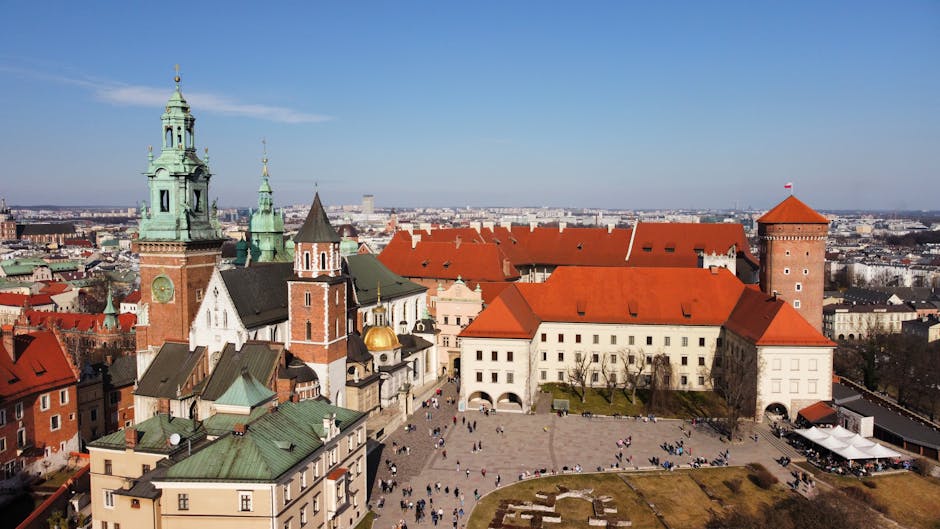
Wawel is a full museum experience: the royal palace, cathedral treasury and state rooms offer a panorama of Polish monarchy and courtly arts. Paintings, tapestries, enamels, armor and furnishings create a spectacular ensemble. The Treasury of Wawel, with its reliquaries and crowns, is especially immersive — glittering objects staged to highlight the site’s symbolic importance.
Local tip: start early to avoid queues. Buy a combined ticket to see multiple areas, then climb the hill for a panoramic view over the Vistula and the Old Town. Be mindful of dress codes when visiting chapels.
4. Sukiennice — National Museum, Gallery of 19th-Century Polish Art and Decorative Arts (Sukiennice Museum)
Address: Rynek Główny 3, 31-042 Kraków (Sukiennice Gallery)
Price: Full €7.00; Reduced €4.00; Combined tickets with other National Museum sites possible.
Opening hours: Daily 10:00–18:00 (extended hours in high season).
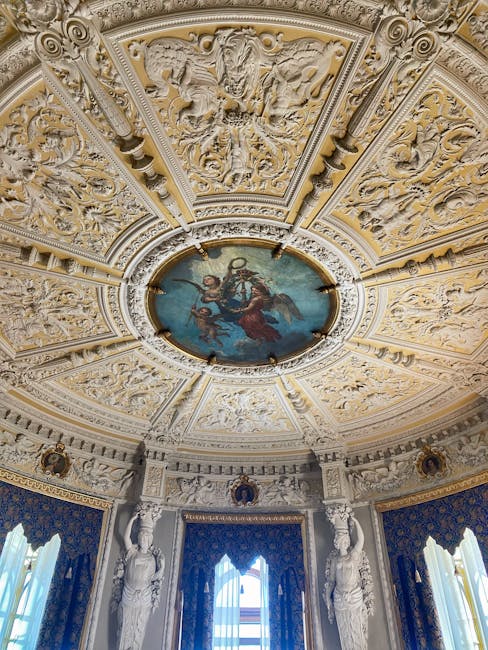
Located in the Cloth Hall on the Main Square, this gallery presents a coherent overview of 19th-century Polish painting and decorative arts. Its central location makes it perfect for a cultural pit stop between coffees. Large halls showcase historical and landscape paintings, while cabinets display ceramics, jewelry and period furniture.
Local tip: pair the visit with a terrace coffee on the Main Square — the view of St. Mary’s Basilica and the buzz of the square will deepen your sense of place. Note that some temporary shows may require an extra fee.
5. MOCAK — Museum of Contemporary Art in Kraków
Address: ul. Lipowa 4, 30-702 Kraków
Price: Full €8.00; Reduced €5.00; evening rates and special events vary.
Opening hours: Wednesday–Monday 10:00–18:00; closed Tuesday (sometimes open later on Fridays).
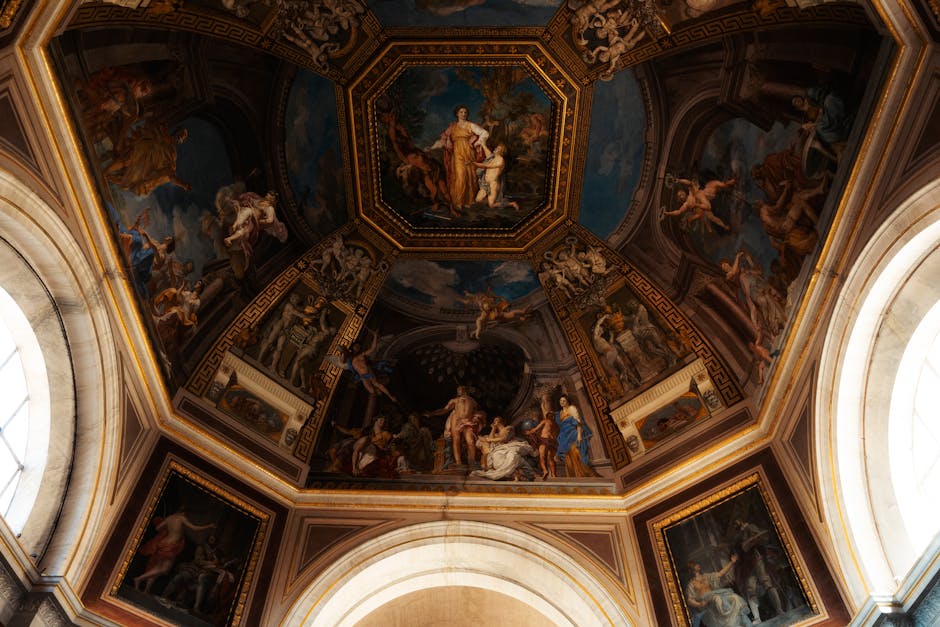
MOCAK is Kraków’s hub for contemporary art, set in a minimalist building near Podgórze. Temporary exhibitions feature local and international artists, often tackling socio-political themes. The displays favor raw space and multi-media works — video, recorded performances and conceptual pieces. It’s a stimulating place to reflect on current issues while discovering recent artistic practices.
Local tip: check the schedule for performances and openings — they’re lively moments but also busier. The museum shop is a great source for limited editions and valuable catalogues.
6. Oskar Schindler’s Factory — Historical Museum (Fabryka Schindlera)
Address: ul. Lipowa 4, 30-702 Kraków (Muzeum Historyczne Miasta Krakowa — Schindler Factory)
Price: Full €7.00; Reduced €4.00; audio guide tickets available for €2–3.
Opening hours: Daily 10:00–18:00 (extended hours in some seasons).
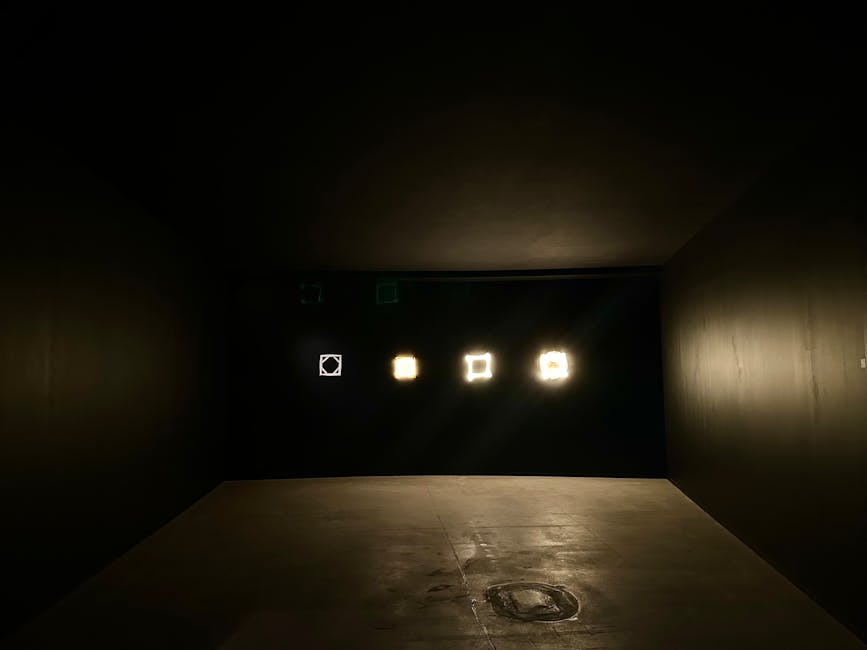
More than a history museum, the permanent exhibition at Oskar Schindler’s Factory offers an immersive narrative on World War II, life under occupation, and the fate of Kraków’s residents. Multimedia elements, period documents and scenographic reconstructions make the visit powerful and moving. Art lovers will also appreciate how memory is shaped here: the curatorial design, soundscapes, and archival imagery create a strong aesthetic and educational impact.
Local tip: buy tickets online, especially in high season. Be prepared emotionally — it’s one of the most poignant exhibitions in the city. Afterward, take a walk around the Podgórze district to grasp the wider context.
7. Galicia Jewish Museum
Address: ul. Dajwór 18, 31-052 Kraków
Price: Full €6.00; Reduced €3.00; guided tours available (€5–10).
Opening hours: Tuesday–Sunday 10:00–17:00; closed Monday.
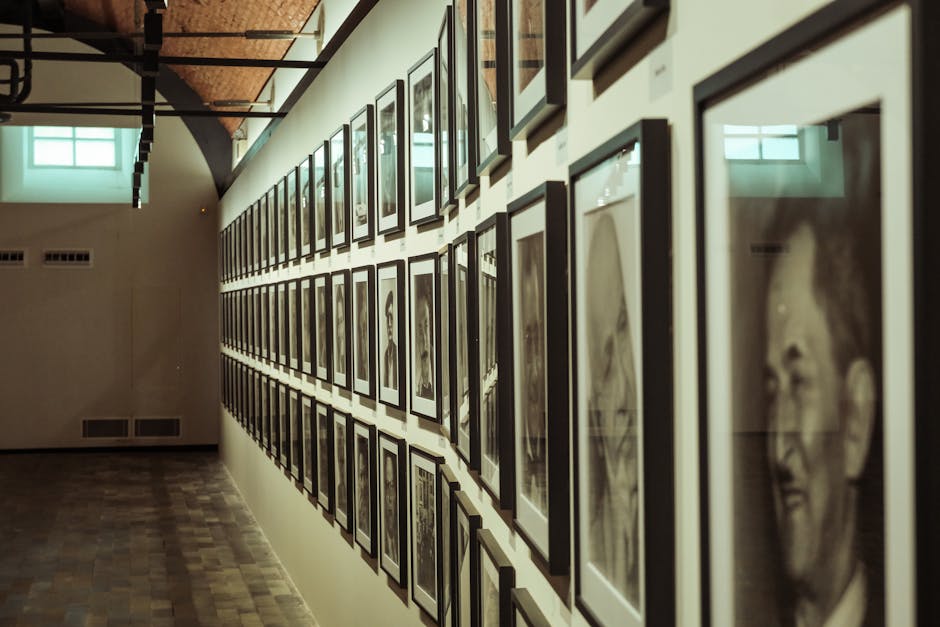
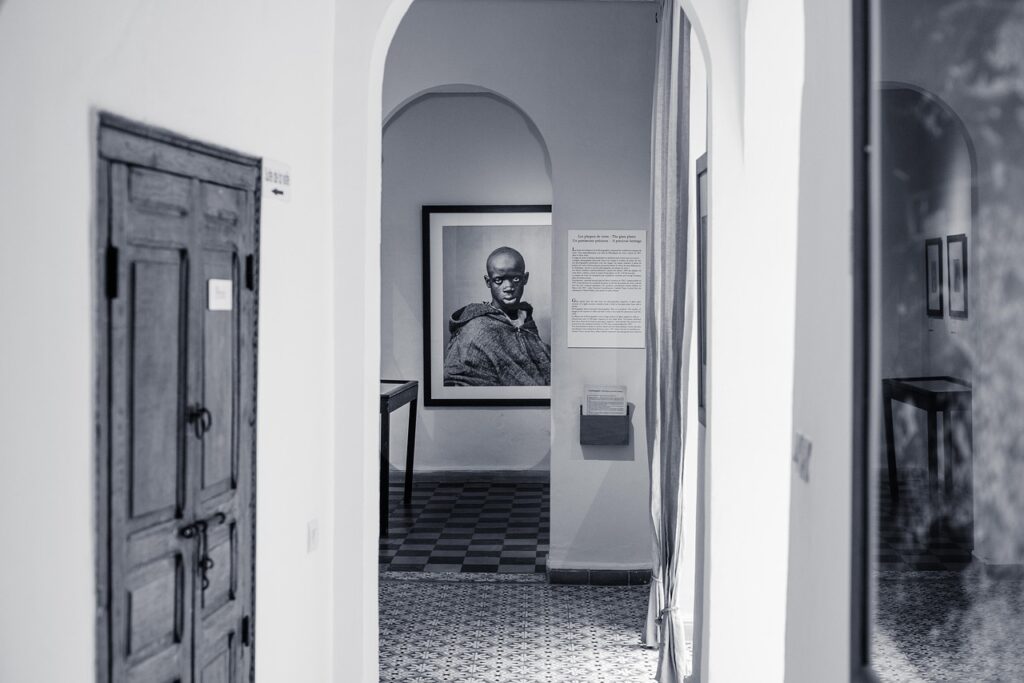
The Galicia Jewish Museum stands out for its photographic and documentary approach to the Jewish heritage of Galicia. Permanent and temporary exhibitions combine contemporary portraits of Jewish communities in Poland with historical archives. Intimate lighting and thoughtful staging of photographs encourage a respectful immersion: you leave with a deeper understanding of the cultural traces of Jewish life in the region and their contemporary presence.
Local tip: plan 1–2 hours for this visit. If possible, pair it with a walk through Kazimierz, the former Jewish quarter, and stop at a local café to reflect on what you’ve seen.
8. Manggha — Museum of Japanese Art and Technology (Manggha)
Address: ul. Konopnickiej 26, 30-302 Kraków
Price: Full €5.00; Reduced €3.00; events and workshops may have additional fees.
Opening hours: Tuesday–Sunday 10:00–18:00; closed Monday.
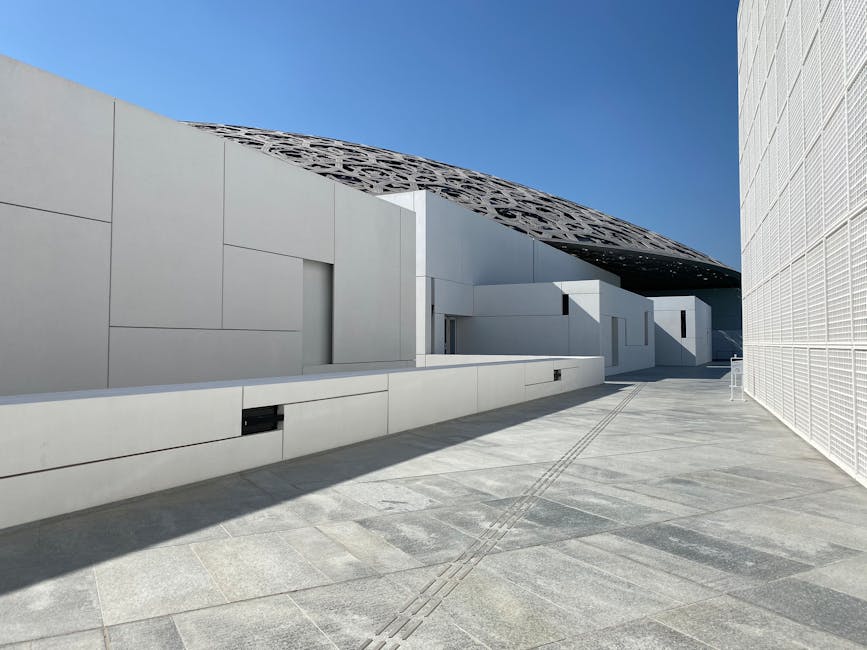
Founded by collector and filmmaker Andrzej Wajda, the Manggha Museum is dedicated to Japanese art and culture. The modern building on the Vistula, close to Wawel, offers an elegant display where woodblock prints, objects, kimonos and applied arts converse with contemporary Japanese shows. The museum’s gardens and terrace make a perfect spot for a meditative break after your visit.
Local tip: check for woodblock print workshops and screenings — they’re often the highlights for understanding the techniques behind the works.
9. Ethnographic Museum in Kraków (Muzeum Etnograficzne w Krakowie)
Address: ul. Krakowska 46, 31-066 Kraków
Price: Full €4.00; Reduced €2.00; free entry for very young children.
Opening hours: Tuesday–Sunday 10:00–17:00; closed Monday.
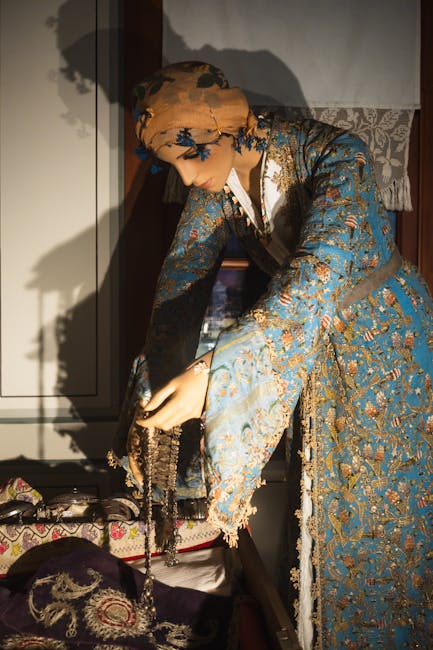
Specializing in folk arts and traditions, the Ethnographic Museum displays costumes, textiles, instruments, furniture and reconstructed rural homes. For lovers of textile art and regional patterns, the collection is a rich source of inspiration: embroideries, weavings and ornaments reveal the creativity of Poland’s rural and Central European communities.
Local tip: don’t miss the section on festivals and rites — it explains the meaning behind costumes and decorations and helps you recognize these elements at local folk celebrations.
10. Museum of Municipal Engineering (Muzeum Inżynierii Miejskiej)
Address: ul. św. Wawrzyńca 15, 31-060 Kraków
Price: Full €5.00; Reduced €3.00; family tickets available (€10–12).
Opening hours: Tuesday–Sunday 10:00–17:00; closed Monday.
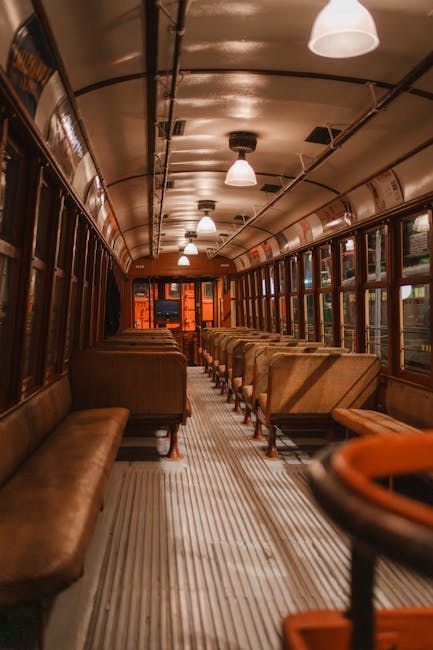
Housed in a former industrial building, this museum showcases historic vehicles, technical equipment and exhibitions on urban development. For fans of applied art and industrial design, it’s a fascinating playground: the shapes of locomotives, trams, machines and vintage posters show how beauty and function coexisted in industrial production.
Local tip: visit with a designer’s eye — notice finish details and the typography on posters, which reflect a popular 20th-century aesthetic.
Conclusion
Kraków offers art lovers a broad selection of museums to satisfy every curiosity: from the classic grandeur of major galleries to bold contemporary installations, from poignant historical archives to applied arts and popular traditions. Each of the ten museums presented here has a strong identity and a unique way of telling part of the city’s and Poland’s artistic and social story.
Practical recap: check opening hours and book online when possible to avoid queues; favor weekday mornings for the busiest sites (Wawel, Czartoryski, Sukiennice); group visits by neighborhood (Old Town for Sukiennice and the National Museum, Wawel for the royal collections, Podgórze for MOCAK and Schindler’s Factory, Kazimierz for the Galicia Jewish Museum); and don’t hesitate to browse museum shops and bookstores to take home catalogues and posters that will extend your artistic experience.
Finally, leave time to wander between visits: Kraków also reveals itself through its streets, cafés, workshops and small independent galleries. These 10 museums provide a solid foundation for a rich and varied cultural trip — whether you’re passionate about old masters, contemporary art, design or historical memory, the city has treasures to offer. Enjoy your discoveries and welcome to Kraków, a cultural capital where every museum tells both a local and universal story.