





Introduction — Why you should sort vaccines, insurance and documents before a trip to Krakow
Krakow (Kraków in Polish) is one of Poland’s most visited cities: full of history, stunning architecture and a lively cultural scene, it draws millions of travelers every year. Even though it sits in the heart of Europe and general health risks are low, sensible medical and administrative planning is essential for a stress-free trip. Before you go, check your vaccinations, arrange appropriate travel insurance and prepare all official documents (passport, possible visa, insurance certificates, medical records). Good preparation helps you avoid nasty surprises: expensive hospital stays, denied boarding, long queues at consulates, or complications from minor incidents like animal bites or tick bites.
This practical guide walks you through everything step by step so your stay in Krakow goes smoothly. It compiles up-to-date, practical information: which vaccines are recommended for Poland, rough costs in euros, where to get vaccinated, useful addresses in Krakow (hospitals, airport, private clinics), typical opening hours, tips on insurance (health coverage, repatriation, adventure sports), and a checklist of administrative documents to bring (passport, ID card, visa/ETIAS, insurance certificates, prescriptions, vaccination record). For each topic you’ll find handy tips and local recommendations (for example how to handle a tick bite in rural areas or the emergency numbers you should know).
We also give concrete references: addresses for university hospitals and private clinics in Krakow, indicative prices for vaccines and consultations, and usual opening times. Note: prices and hours can change—treat these figures as references and check online or call ahead before you go. Finally, we include tailored advice depending on your traveler profile: families with young children, business travelers, Erasmus students, hikers heading to the Tatra Mountains and wooded areas (tick risk), and people managing chronic treatments. With the right prep you’ll be free to enjoy the Vistula riverbanks, the Old Town (Rynek Główny), Wawel Hill and the buzzing pubs of Kazimierz without health worries or paperwork spoiling your trip.
1) Recommended vaccinations before a trip to Krakow — what, why and how much in euros
Poland is generally low-risk for most common infectious diseases, but some vaccinations are still recommended depending on your profile and the length or type of your trip. Here are the main vaccines to consider:
- Routine vaccines: DTP (diphtheria-tetanus-polio) and pertussis. Make sure your boosters are up to date. Cost in France for a booster at a vaccination center: often covered by health insurance if prescribed, otherwise around €10–30 in a private clinic.
- Seasonal flu: recommended for vulnerable people and travelers during winter months. Indicative price: €15–40 depending on vaccine and provider.
- Hepatitis A: recommended if you plan to eat street food or travel outside urban areas. Price: €40–80 per dose (1 or 2 doses depending on the vaccine).
- Hepatitis B: recommended if you expect local medical procedures, or risky activities (tattooing, piercing), or for longer stays. Price: €30–70 per dose, three doses over several months.
- TBE (tick-borne encephalitis): relevant if you plan to hike in forests and rural areas, especially the Tatra Mountains and the forests of Małopolska. Price: roughly €50–90 per dose (usually 2–3 doses according to the schedule).
- Rabies (pre-exposure): recommended only for travelers at high risk (veterinary work, frequent camping, contact with wild animals). High cost: €150–300 for the full course (3 doses), so reserved for specific risk scenarios.
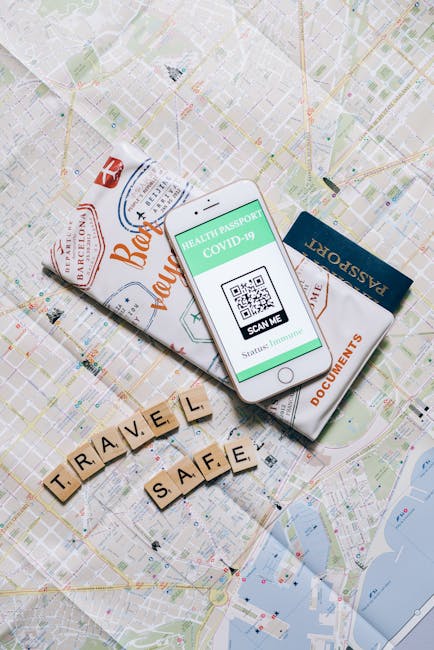
- COVID-19: make sure your vaccination schedule is up to date according to national and international guidance (certificates, possible boosters). PCR/antigen tests may be required for return trips depending on rules at the time—budget €20–120 depending on the test and country.
Practical tips:
- Visit an international vaccination center 4–6 weeks before departure so you have time for boosters or multi-dose schedules.
- Keep your vaccination records (paper copy and a digital photo) and note injection dates, vaccine names and batch numbers.
- If traveling with children, check the pediatric vaccine schedule and request an international certificate if needed.
Examples of practical addresses and opening times in Krakow (always check official sites before you go):
- Szpital Uniwersytecki w Krakowie (University Clinical Hospital) — ul. M. Skłodowskiej-Curie 9, 31-531 Kraków. Emergency services open 24/7. Vaccination consultations by appointment on weekdays; administrative hours roughly 8:00–16:00. (Consultation fees vary; non-residents are usually billed per medical act—often €30–100 per consultation).
- John Paul II International Airport Kraków–Balice – Medical Point — ul. Kpt. M. Medweckiego 1, 32-083 Balice. Medical point open according to flight schedules (hours vary). Good for first aid or urgent advice on arrival.
- Private medical centers (e.g. Medicover Kraków) — multiple locations; private consultation roughly €30–70; vaccines €20–100 depending on type.
2) Travel insurance: what cover to choose for a worry-free stay in Krakow
Travel insurance is essential: even though Poland is in the EU, healthcare access for foreign visitors is not free. The European Health Insurance Card (EHIC) gives EU citizens access to public healthcare under local rules, but it doesn’t cover repatriation or medical transport and it’s not valid for non-European tourists. For full protection, take out private travel insurance tailored to your trip.
Key coverages to check:
- Medical expenses abroad: recommended limit ≥ €100,000 to cover hospital stays and surgery.
- Repatriation and medical evacuation: essential for severe cases. Insurance with repatriation typically costs about €3–10 per day for basic coverage; €10–20 per day for comprehensive cover for longer trips or risky activities.
- 24/7 assistance in French or English: useful to deal with local hospitals (recommended).
- Liability abroad: covers damage you might cause to third parties.
- Sports and mountain activities: if you plan to hike in the Tatras, climb or ski, make sure these are included or add an « adventure sports » option (they’re often excluded by default).
- Trip cancellation/interruption: handy if a medical issue prevents travel (important if flights or arrangements are non-refundable).
Indicative prices and examples:
- Budget insurance for a short trip (7–10 days): ≈ €5–10 per day (limited medical cover, repatriation not always included).
- Comfort insurance with repatriation and sports cover: ≈ €10–20 per day.
- Annual multi-trip insurance: €80–250 depending on limits and age; cost-effective if you travel several times a year.
Where to buy and what to keep with you:
- Buy online from specialist insurers (Allianz Travel, AXA Assistance, Mondial Assistance, Chapka, Europ Assistance, etc.). Use comparison sites to find the best deal.
- Print your policy, emergency contact numbers (24/7), and your insurance card. Keep a digital copy accessible offline (screenshot).
- If hospitalized in Krakow, contact your insurer immediately to authorize coverage: without prior approval the hospital may demand immediate payment.
3) Administrative documents: passport, visa, ETIAS and practical tips
Basic documents:
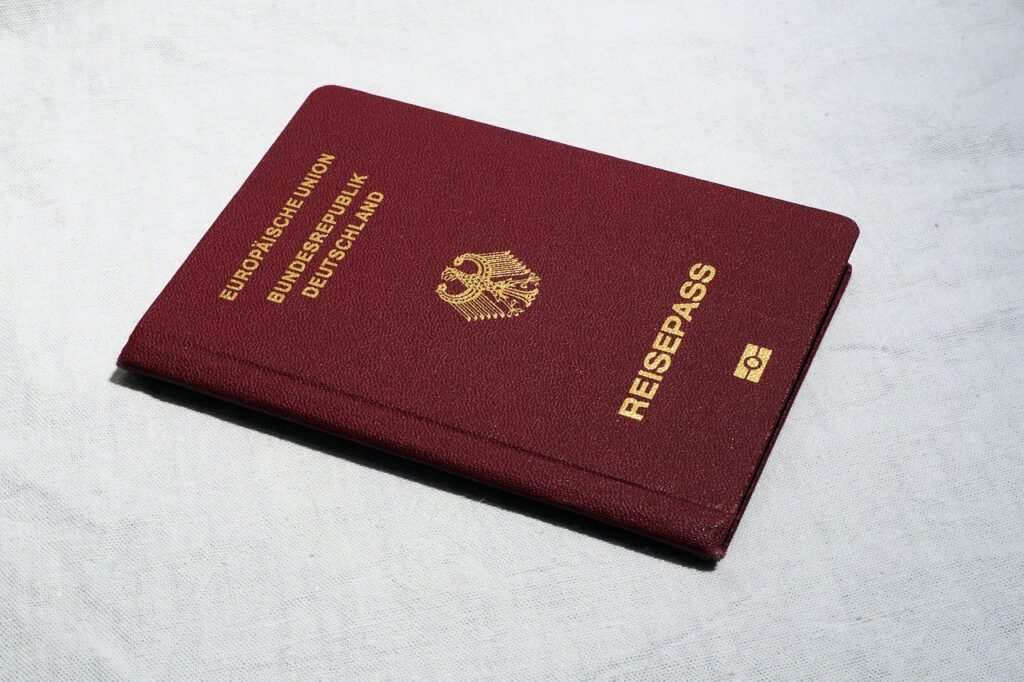
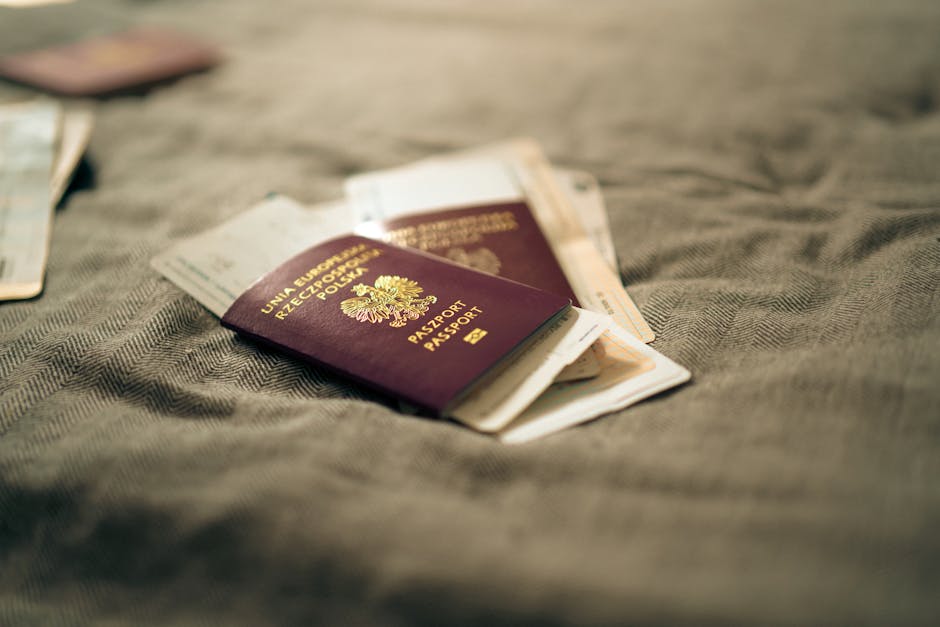
- Passport / ID card: EU citizens can enter Poland with a valid national ID card. Non-EU citizens need a valid passport. Check the minimum validity required (often 3–6 months after the planned return date) before departure.
- Visa / ETIAS: depending on your nationality you may need a Schengen visa. ETIAS (European Travel Information and Authorization System) is planned for visa-exempt travelers from some countries; check its activation status and current requirements before travel (official European Commission site or the consulate).
- European Health Insurance Card (EHIC): EU/EEA/Swiss citizens should request it online from their national health insurer and carry it with them. It allows access to public healthcare on the same terms as locals.
- Travel insurance certificates: policy document, membership number, 24/7 emergency contacts.
- Prescriptions and medical certificates: bring original prescriptions for your medications (brand and active ingredient), a doctor’s letter for chronic treatments, and documentation for medical devices (insulin pumps, etc.). Some medications are controlled in Poland—carry the prescription translated into English or Polish if possible.
Additional useful documents:
- Paper and digital copies of your documents (passport/ID, EHIC, insurance, hotel bookings, tickets, emergency contacts).
- Contact details for your country’s embassy or consulate in Poland:
- French Embassy in Poland — ul. Piękna 2, 00-530 Warszawa (Warsaw) — general phone +48 22 625 60 00. For French nationals in Krakow: sign up on the Ariane portal before you travel to make contact easier in case of emergency. (Check address and hours before departure.)
Practical tips:
- Register with your embassy/consulate via traveler registration services (Ariane for France) to receive local alerts.
- If traveling alone with minors, bring a parental authorization form (translated into English/Polish is recommended).
- For stays in shared flats or Airbnb, keep the rental contract or booking confirmation and the exact address (useful for emergency services or official reports).
4) What to do in an emergency in Krakow: numbers, hospitals and procedures
Knowing emergency procedures is crucial. Poland has centralized emergency numbers and well-equipped facilities, but language can be a barrier: always keep your insurer’s number handy and request an interpreter if needed.
Emergency numbers:
- 112 — the European emergency number (ambulance, police, fire) available in Poland. Free to call from mobiles.
- 999 — ambulance (Poland). If calling from a mobile, 112 can also redirect you.
- 998 — fire brigade.
- 997 — police.
Recommended hospitals and clinics in Krakow:
- Szpital Uniwersytecki w Krakowie (University Clinical Hospital) — ul. M. Skłodowskiej-Curie 9, 31-531 Kraków. Emergency service 24/7. Main switchboard: +48 12 424 91 11. (Check number for updates).
- Szpital Specjalistyczny im. Ludwika Rydygiera — ul. Rydygiera / address varies by department; a reference center for specialized emergencies. Call and triage via 112/999.
- Centrum Medyczne Damiana / Medicover — multiple locations in the city; private consultations, English-speaking staff, but immediate billing for uninsured patients.
Practical steps if hospitalized:
- Contact your insurer before any major procedure; keep receipts for all care (invoices, prescriptions, medical reports) for reimbursement.
- If you have an EHIC, present it at a public hospital to reduce costs; it does not cover repatriation or all private services.
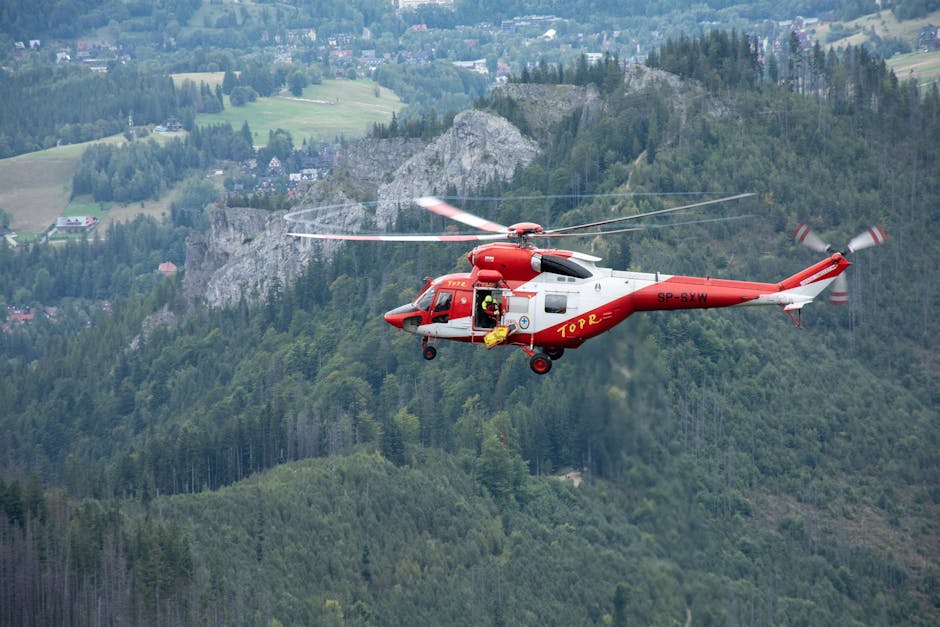
- For injuries during mountain sports, contact local rescue services (GOPR — Mountain Volunteer Search and Rescue); these rescues can be billed if your insurance doesn’t cover mountain rescue.
5) Local practical tips for travelers who care about health and paperwork
Some concrete tips to get around Krakow with peace of mind:
- Learn a few key Polish words: “pomoc” (help), “lekarz” (doctor), “apteka” (pharmacy), “szpital” (hospital). City-center pharmacists often speak English and can help with common medications.
- Pharmacies (apteka): plentiful and well distributed. Example: Apteka Dbam o Zdrowie — ul. Grodzka 52, 31-006 Kraków (often open 9:00–20:00; some central locations are open 24/7). Drug prices can be lower than in parts of Western Europe; however, keep prescriptions for prescription-only medicines.
- Protect yourself from ticks: when hiking (forests around Krakow, national parks), wear long trousers, light-colored clothing, use repellents (DEET or alternatives) and check your body after outings. If bitten, remove the tick cleanly and consult a doctor if you see infection signs or flu-like symptoms.
- Tap water: Krakow’s tap water is potable; many travelers drink it without issues. If you have a sensitive stomach, prefer bottled water for a few days.
- Emergency location: note the full address of where you’re staying (street name, number, postal code, city) — useful for an ambulance. Example format: ul. Floriańska 5, 31-019 Kraków.
Advice for families and older travelers:
- If you travel with sensitive medications (anticoagulants, insulin), bring a doctor’s letter translated into English. Keep medicines in their original packaging with labels.
- For babies, bring enough specialized food and check availability of infant formula labeled « infant formula » in major supermarkets (prices vary, often €3–6 per can depending on brand).
Conclusion — recap and priorities before you leave for Krakow
To sum up, traveling to Krakow with peace of mind means being thorough with health and administrative preparations: update routine vaccines (boosters, hepatitis A/B depending on your profile, TBE if you’ll be hiking, consider rabies for high exposure), take travel insurance that covers high medical costs and repatriation, and prepare all essential documents (passport/ID, possible visa or ETIAS, European Health Insurance Card for EU citizens, insurance certificates, translated prescriptions).
Recommended action plan before departure (quick checklist):
- 4–8 weeks before: see a travel medicine clinic or travel doctor for required vaccines and boosters.
- 2–4 weeks before: buy comprehensive travel insurance (check repatriation and sports cover), print the policy and save emergency contacts.
- 1–2 weeks before: verify passport/ID validity, request your EHIC if applicable, download digital copies of documents and register your trip with the consulate (e.g. Ariane for France).
- Day of departure: pack a travel first-aid kit (plasters, antiseptic, fever reducer, regular meds with prescription), full address and contact details of your accommodation, and your insurer’s emergency numbers.
Finally, stay flexible: entry and health rules can change (e.g. COVID-19 requirements, ETIAS rollout or visa rule updates). Before you travel, consult official sources: your country’s foreign affairs website, the Polish embassy/consulate website, and public health sites (your national health authority, WHO) for vaccination advice. In Krakow, hospitals like Szpital Uniwersytecki w Krakowie and private clinics such as Medicover provide quality care—but insurance and preventive planning remain your best friends for a calm trip. Follow these tips and you’ll be free to enjoy Krakow’s historic and cultural riches—from the Rynek Główny to Wawel Hill and the lively streets of Kazimierz—with peace of mind and good health.