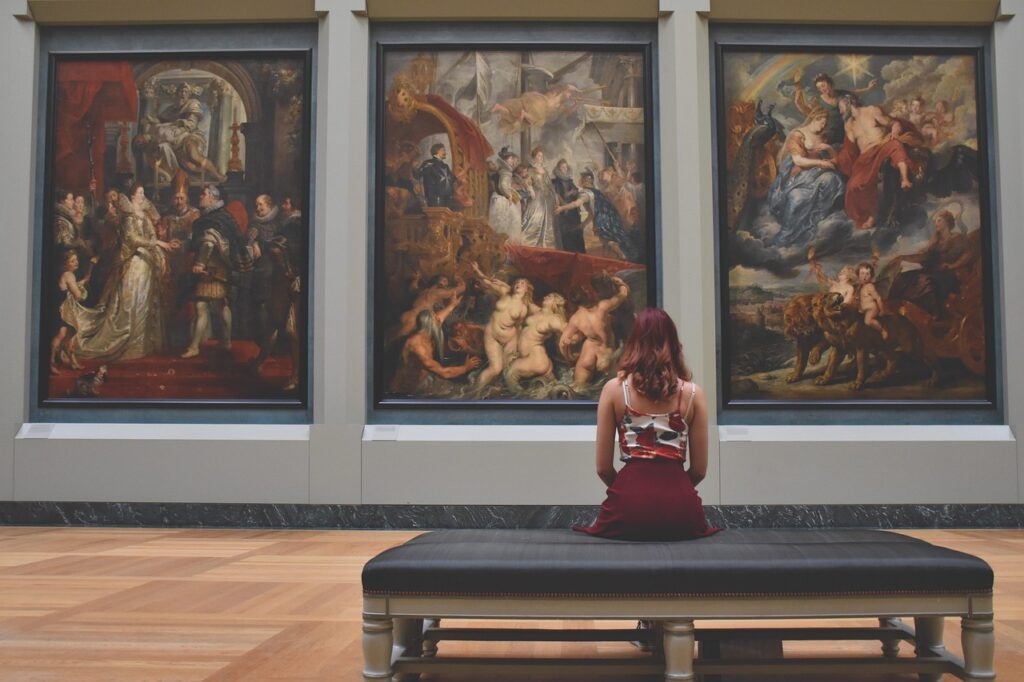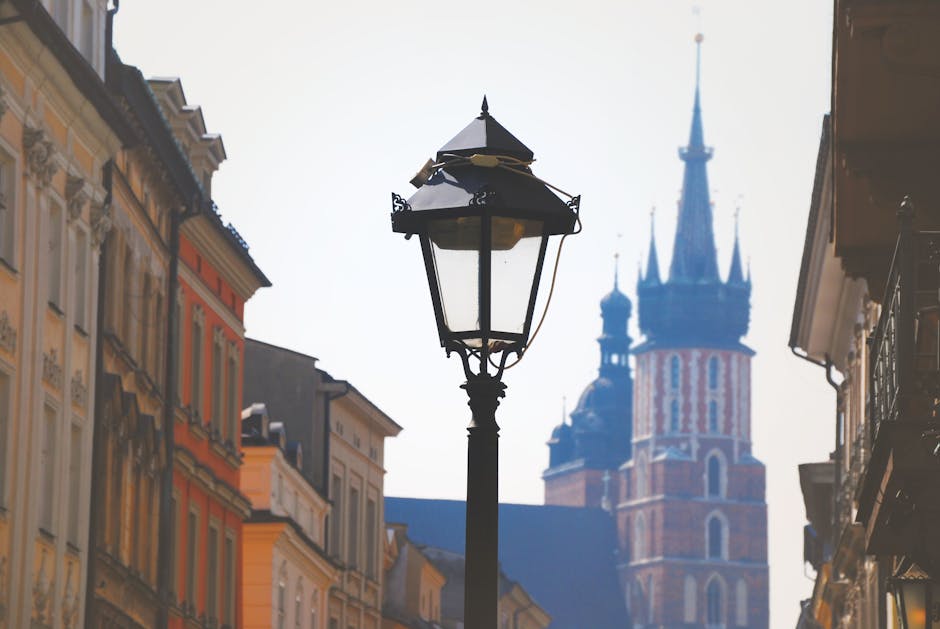






Introduction: why visit the National Museum in Kraków (Muzeum Narodowe w Krakowie)
The National Museum in Kraków, in Polish Muzeum Narodowe w Krakowie, is one of Poland’s largest and most important museums. It houses collections spanning Polish art of the 19th and 20th centuries, paintings, sculptures, decorative arts, and rotating exhibitions that attract researchers and visitors from around the world. Its role in Kraków’s cultural scene is significant: it not only traces local artistic developments but also reflects Poland’s major historical and social shifts.
Visiting the National Museum requires a bit of planning to get the most out of your time. The museum isn’t a single building: it oversees multiple sites and galleries, including the Gmach Główny (main building) and the Polish 19th-Century Art Gallery located in the Sukiennice (Cloth Hall, Rynek Główny). Each site has its own character, opening hours and ticketing. This guide gives you a practical, immersive overview with exact addresses, typical opening times, prices shown in euros (indicative conversion from Polish złoty) and local tips to organize your visit—when to go, how to avoid crowds, what not to miss and how to get around.
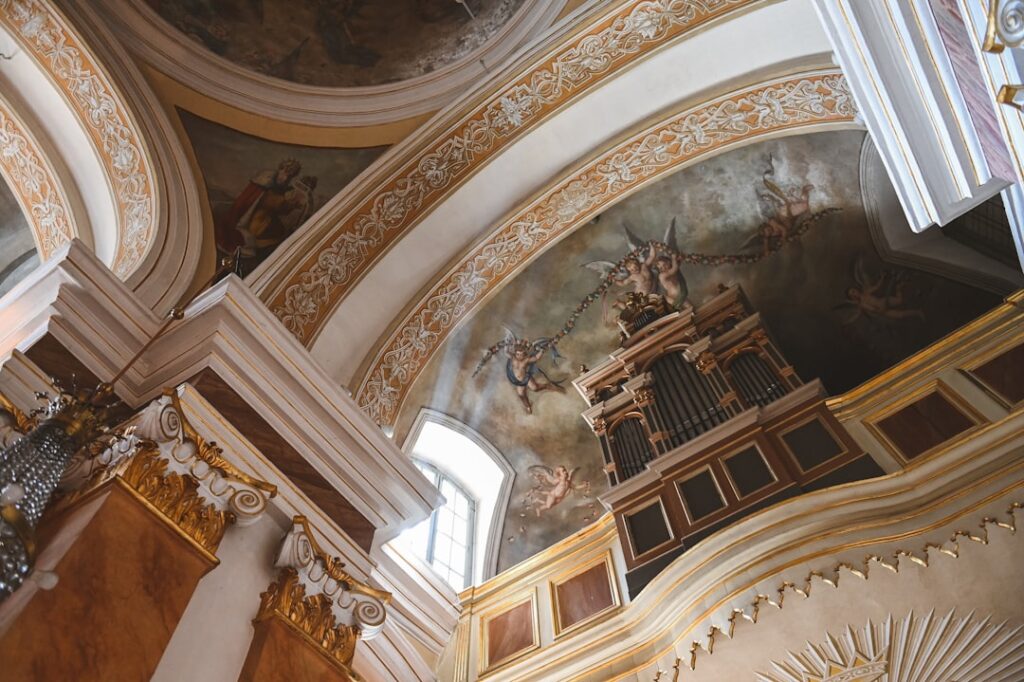
Beyond practical info, you’ll find vivid descriptions of works and spaces: the feeling of entering a room dominated by a monumental Jan Matejko canvas, the way light plays on Stanisław Wyspiański’s glass and stained-glass, or the precision of a decorative arts cabinet. The guide also offers concrete recommendations: book online, best times for photography, accessibility information, nearby cafés and restaurants, and tips for combining the museum with other Kraków must-sees. Whether you’re into history, art or just curious, this guide will help you plan a rich, stress-free visit.
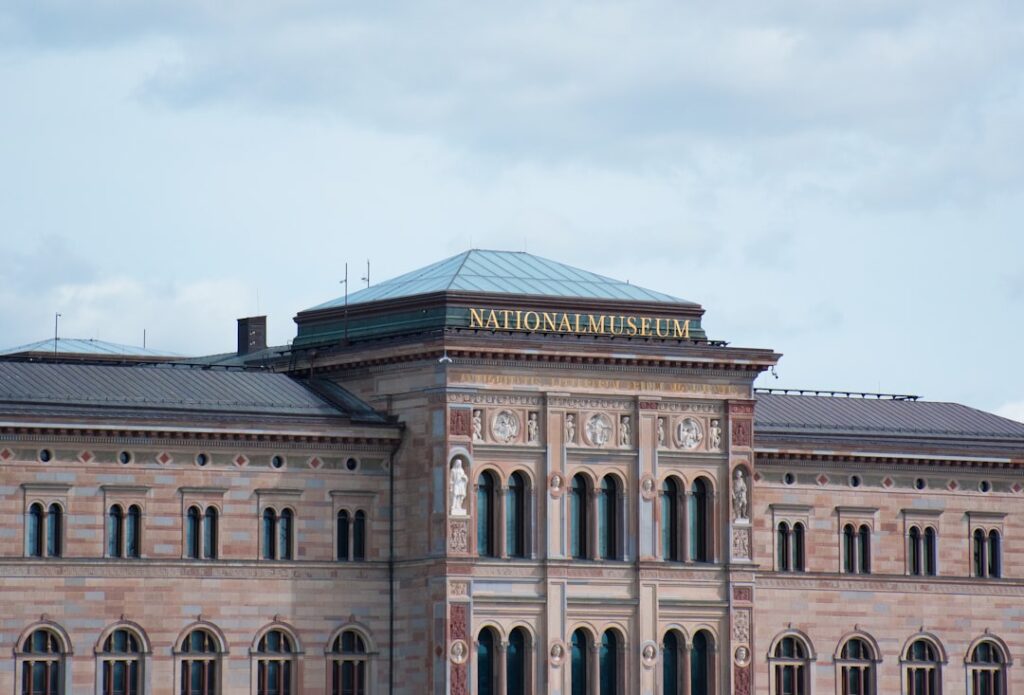
The main building (Gmach Główny): collections, addresses and detailed opening hours
The main seat of the Muzeum Narodowe w Krakowie is the Gmach Główny, Al. 3 Maja 1, 30-062 Kraków. The building impresses with its architecture and carefully staged displays. Permanent collections include Polish and European paintings, graphic arts, decorative objects and international temporary exhibitions. On entering, you quickly sense the balance between chronological presentation and thematic emphasis, which makes it easy to follow the story of Polish art from the Middle Ages to the 20th century.
Typical opening hours (check before you go): Tuesday–Sunday 10:00–18:00, Thursday 10:00–20:00, closed Mondays. Public holidays may affect these times. Ticket desks usually close 30 minutes before the official closing time, so arrive early enough to see everything. Admission to the permanent exhibition in the main building is often around €6–8 for a full adult ticket (approximate conversion from PLN), with discounts for students, seniors and families. Temporary exhibitions may have separate pricing: expect roughly €8–12 for major shows.
Inside, look out for masterpieces such as Jan Matejko’s historical paintings and works by other major Polish artists. The galleries are set up for a comfortable visit: seating, mood lighting, and explanatory panels in Polish and English for most rooms. The museum also offers guided tours in Polish and English; times and details for guided tours are posted at the desk or on the museum’s official website.
- Exact address: Gmach Główny, Al. 3 Maja 1, 30-062 Kraków
- Typical opening hours: Tuesday–Sunday 10:00–18:00, Thursday until 20:00, closed Monday
- Indicative prices: adult ticket €6–8, temporary exhibitions €8–12
- Services: cloakroom (paid/free depending on the exhibition), museum shop, audio guides, guided tours
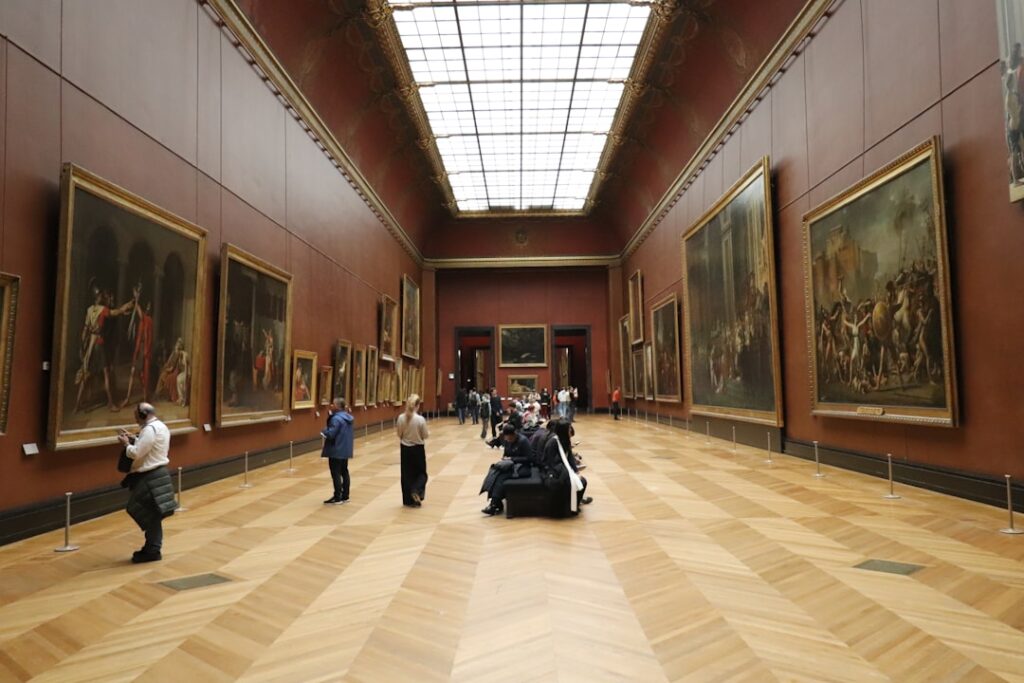
Other National Museum sites in Kraków: Sukiennice and major branches
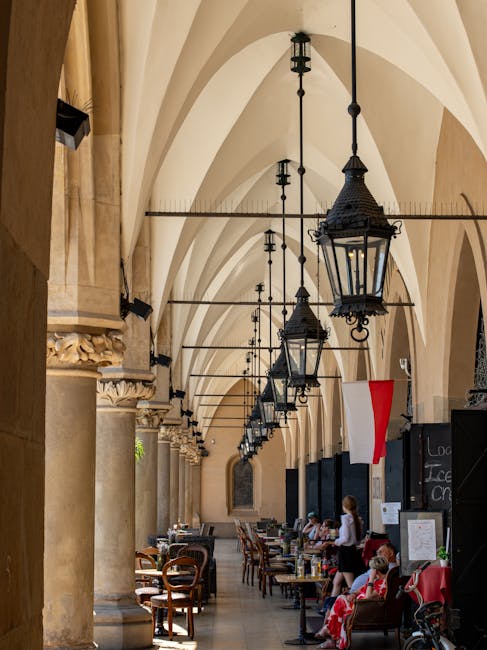
The National Museum manages several branches around Kraków, each with a distinct focus. The best known is the Polish 19th-Century Art Gallery located in the Sukiennice (Cloth Hall), address Rynek Główny 3, 31-042 Kraków. Nestled in the city’s historic heart, this gallery offers an immersive experience—when you leave the galleries you’re literally on the main market square. The collections showcase the height of Polish historical, patriotic and realist painting of the 19th century, with works by Jan Matejko, Artur Grottger and other masters. Opening hours: often open daily from 10:00 to 18:00 (check for public holidays). Indicative price: €7–10 for adult admission.
Other venues overseen by the National Museum include:
- Muzeum Sztuki i Techniki Japońskiej Manggha (though independently managed, it’s often included in combined itineraries): ul. Konopnickiej 26, 30-302 Kraków.
- Galeria Sztuki XX wieku — various exhibitions of modern and contemporary art are held in multiple spaces affiliated with the National Museum. Check the official site for current locations.
- Muzeum Narodowe – Oddział w Sukiennicach : the historic branch in the heart of the Rynek, convenient to combine with a visit to St. Mary’s Basilica (Kościół Mariacki) and nearby historic cafés.
Practical tip for visiting multiple sites: buy combined tickets when available—the museum sometimes offers joint tickets for the Gmach Główny and the Sukiennice, which can save you a few euros. Plan your logistics: the distances are short (the Gmach Główny is about a 10–15 minute walk from the Rynek Główny), but allow time for queues in high season. If you’re short on time, prioritize the Sukiennice Gallery for an immersion in 19th-century Polish art and the Gmach Główny for a broader overview and international temporary shows.
Practical tips: tickets, accessibility, guided tours and local hacks
To make the most of your visit to the National Museum in Kraków, consider a few key points: booking, best time slots, accessibility, and practical services. Booking online is often the best option, especially during the high season (April–October) and for popular temporary exhibitions. Online tickets let you skip the line and reserve a specific time slot.
Accessibility: the Gmach Główny and most branches have made efforts to be accessible to visitors with reduced mobility: ramps, elevators and adapted restrooms. However, some historic buildings like the Sukiennice, located in older structures, may have limited full access. Contact the museum ahead of time to arrange a suitable visit. People with disabilities may be eligible for reduced or free admission upon presentation of appropriate documentation.
Guided tours and audio guides: the museum offers guided tours in Polish and often in English. Audio guides are available for most exhibitions, sometimes in several languages (Polish, English, German). Themed tours (religious art, 19th-century painting, Polish modern art) are particularly rewarding if you want deeper historical and artistic context. Expect about 30–60 minutes for a well-structured permanent exhibition, and up to 2–3 hours for a full visit of the Gmach Główny if you plan to read all labels and use audio guides.
- Tickets: favor buying online; combined tickets often available
- Best time to visit: early morning at opening (10:00) or late on Thursdays (open until 20:00) for the busiest exhibitions
- Photography: usually allowed without flash for permanent collections; some works or temporary shows prohibit photography—check signage
- Cloakroom & security: large bags may need to be checked; cloakroom may be paid or free depending on the exhibition
Local tips: combine your visit with a coffee at a Rynek Główny café or a stroll toward Kazimierz for lunch afterwards. Local guides often recommend checking temporary exhibitions beforehand: certain retrospectives of Polish artists or international shows are worth a dedicated trip. And if you speak Polish, look for local thematic tours that offer unique insights into the city’s cultural history.
Suggested routes: how to fit the National Museum into your Kraków itinerary
The National Museum in Kraków fits neatly into a variety of sightseeing plans depending on how long you’re staying. Here are some typical routes adapted to interests and available time.
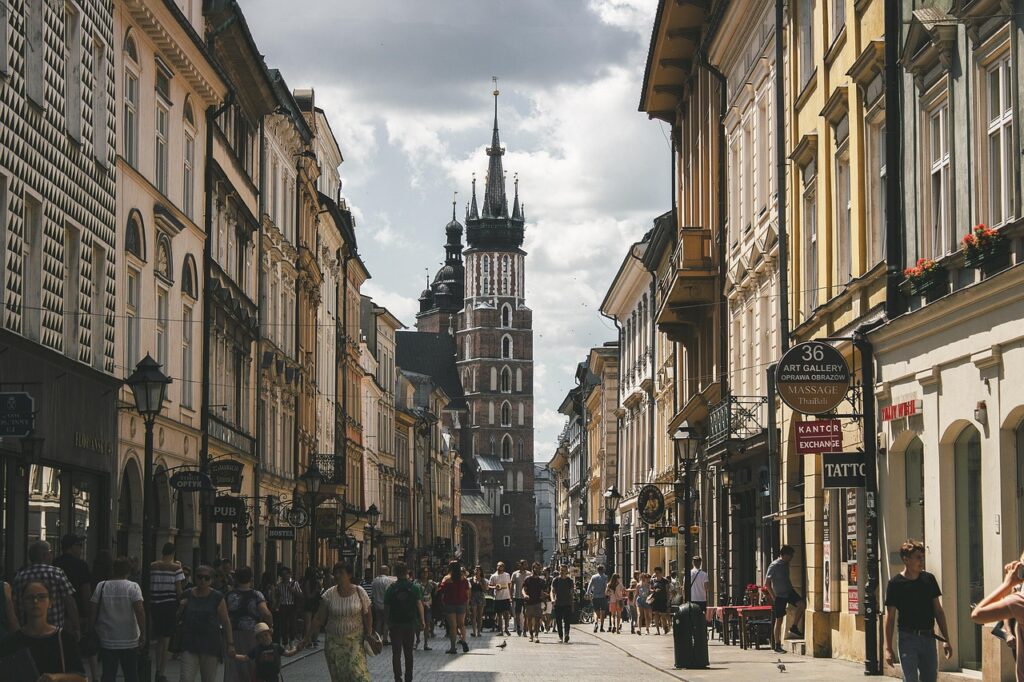
Half-day itinerary: if you’re short on time, pair the Sukiennice Gallery (Rynek Główny 3) with a quick visit of the Market Square and St. Mary’s Basilica (Plac Mariacki). Start early at the Sukiennice (often open from 10:00), enjoy the rooms devoted to 19th-century painting, then wander the Rynek for lunch. Estimated time: 2–3 hours. Approximate combined ticket cost: €10–15 depending on joint ticket options.
Full-day itinerary: spend the morning at the Gmach Główny (Al. 3 Maja 1) for the permanent collections and a temporary exhibition, have lunch around the Planty, then in the afternoon visit a branch or a temporary exhibit elsewhere (for example, Manggha Museum or MOCAK if you prefer modern art). Finish with a sunset walk along the Vistula. Estimated time: 5–7 hours. Museum budget: €15–25 depending on chosen exhibitions.
In-depth cultural itinerary (2–3 days): include the National Museum, Wawel Castle (Zamek Królewski na Wawelu, Wawel 5, 31-001 Kraków), the historic Kazimierz district (synagogues and museums), and an evening show at the Juliusz Słowacki Theatre. This approach helps place art in its historical and social context, revealing the ties between heritage and Polish artistic creation.
- Ideal combo: Gmach Główny + Sukiennice + Wawel for a comprehensive perspective
- Recommended time: 2–3 hours per site for a thorough visit
- Transport: everything is walkable in the historic center; trams and buses are useful for longer trips (single ticket ~€0.80–1 depending on type)
Conclusion: prepare your visit to the National Museum in Kraków for a memorable experience
The National Museum in Kraków (Muzeum Narodowe w Krakowie) is a must for anyone who wants to understand Poland’s artistic and cultural history. Between the Gmach Główny (Al. 3 Maja 1) and the Sukiennice Gallery (Rynek Główny 3), visitors have access to rich and varied collections—from monumental paintings and finely crafted decorative arts to international temporary exhibitions. Indicative prices in euros (€6–12 depending on site and show) reflect great cultural accessibility, but remember these are approximate conversions from the Polish złoty and it’s best to check current prices on the museum’s official website before you go.
Plan your visit: book when possible, arrive early to avoid crowds, and consider Thursdays late opening if you want extended hours. Visitors with reduced mobility will find solutions at most sites, but it’s wise to contact the museum in advance to arrange a tailored visit. Don’t forget to take breaks and combine the museum with other Kraków highlights—Wawel Castle, the Market Square and the Kazimierz district—for a full immersion.
In short, whether you’re an art lover, a history student or a curious traveler, the National Museum in Kraków offers a dense, varied cultural experience. With the practical details above (exact addresses, typical hours, indicative prices and local tips), you can turn a simple outing into a real journey of discovery. Enjoy the collections, use the audio guides, chat with curators when possible, and take your time to observe—often it’s the small details—a brushstroke, a tiny restoration, a discreet inscription—that tell the biggest stories.