





Introduction — Why pick a live guide or an audio guide for a Kraków walking tour?
Kraków (Kraków) is one of Central Europe’s richest cities for history, culture and atmosphere. Its historic core — the Old Town (Stare Miasto) — with the Main Market Square (Rynek Główny), Wawel Hill, the Jewish quarter of Kazimierz and many medieval remains draws millions of visitors every year. For the walker, two main options help you soak up the cobbled streets, Gothic churches, inner courtyards and local stories: hiring a live guide (in-person tour) or using an audio guide (mobile app or handheld device). The choice is not only practical — it shapes how deep, personal and social your experience will be.
A live guide brings a living presence: someone who can answer questions, adjust the pace, tell local stories, take alternative routes or access spots that an audio file might not describe well. They add a social dimension — oral anecdotes, humor, interactions and off-the-beaten-path restaurant or café tips. By contrast, an audio guide offers independence, value and the freedom to pause and rewind whenever you like, which appeals to independent or time-pressed travelers.
In Kraków, the decision between a live guide and an audio guide depends on several factors: your priorities (deep history vs. atmosphere), language comfort, group size, access to certain sites (skip-the-line tickets, reservations), the weather and even the season. For example, a guided walk in Kazimierz might include meeting café owners, explanations about Jewish life before the war and a bespoke recommendation for dinner in a small tavern. On the other hand, a well-made audio guide lets you explore Wawel Castle and the interior of St. Mary’s Basilica (Bazylika Mariacka, Plac Mariacki 5, 31-042 Kraków) at your own speed.
This full article aims to clarify, site by site, when it’s better to book a live guide rather than rely on an audio guide: which parts of Kraków really benefit from live interpretation, which monuments need personalized explanation, and which routes work well with standalone audio narration. I’ll also give practical details — full addresses, typical opening times, approximate price ranges in euros (estimates subject to change), local tips to make the most of your visit, and visual cues to help you plan photos and your route.
1) Old Town — Why a live guide is worth it for Rynek Główny and the surroundings
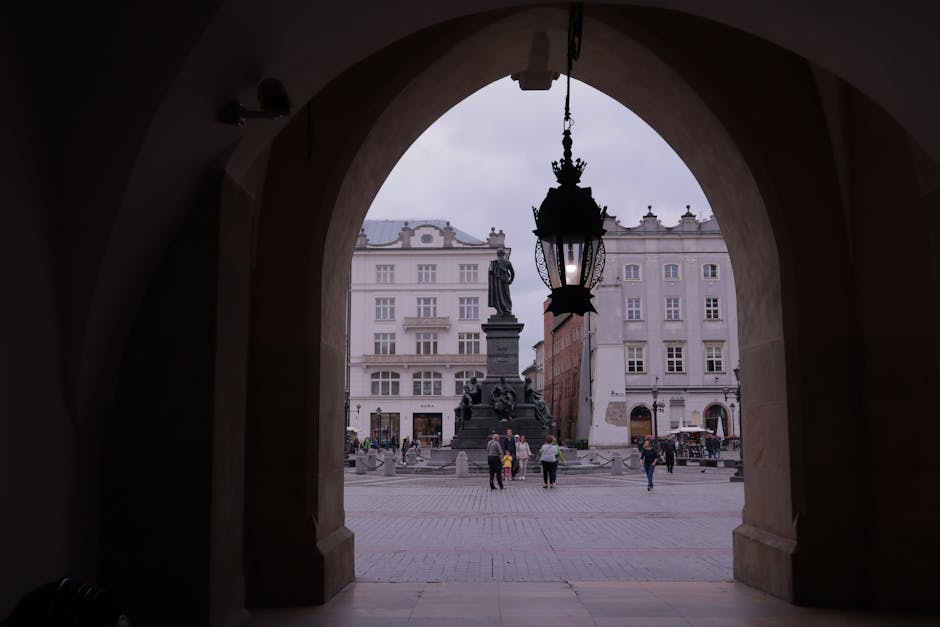
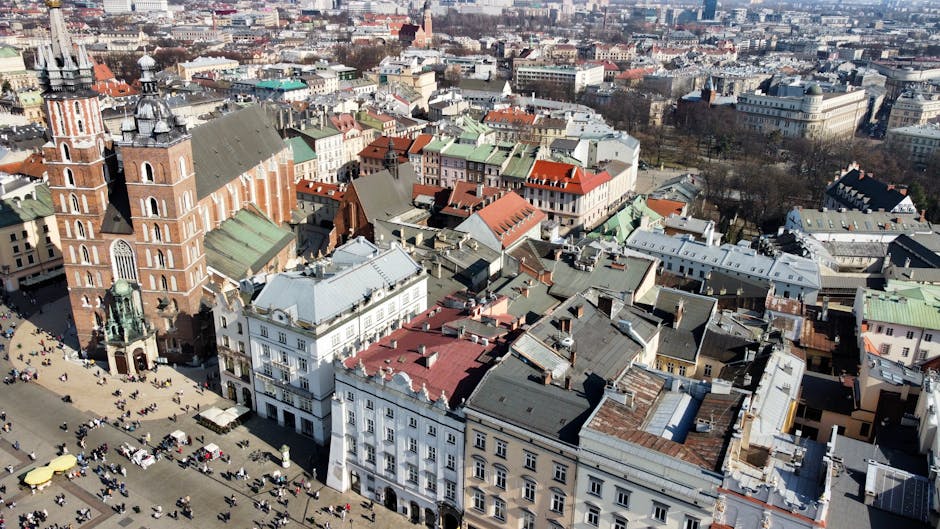
The heart of Kraków, the Main Market Square Rynek Główny (Rynek Główny, 31-042 Kraków), is where history, architecture and urban life meet. On this broad plaza, the Cloth Hall (Sukiennice, Rynek Główny 1, 31-042 Kraków) and St. Mary’s Basilica (Bazylika Mariacka, Plac Mariacki 5, 31-042 Kraków) are must-sees. A live guide brings real added value here: they’ll tell you the medieval origins of the square, explain the role of trade, point out subtle architectural details (Baroque alterations, hidden sculptures, traces of successive restorations) and place the sites in time with anecdotes about local characters.
Important addresses and opening information:
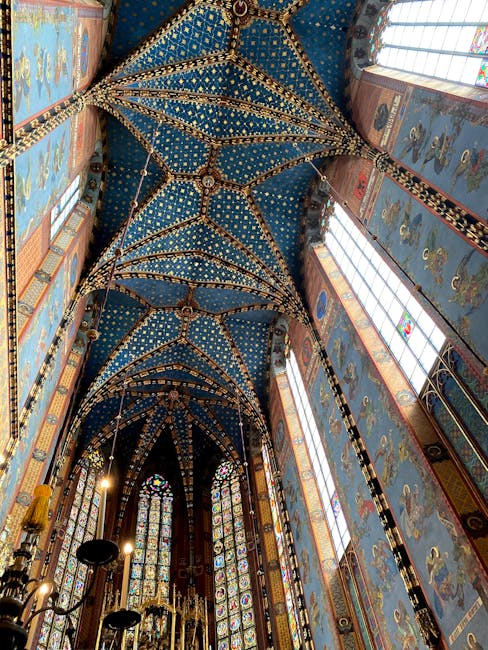
- Bazylika Mariacka (St. Mary’s Basilica) — Plac Mariacki 5, 31-042 Kraków. Indicative hours: 11:30–17:00 (tourist visiting hours; masses and services alter access; check locally). Approximate entrance fee: €3–4 for tower access and certain chapels (prices vary).
- Sukiennice (Cloth Hall) — Rynek Główny 1, 31-042 Kraków. Craft market and museum. Indicative hours: 10:00–18:00. National Museum (upstairs) price: €2–6 depending on the exhibition.
Why a live guide is preferable here:
- Real-time context: a guide will tell you the legend of the hejnał (the trumpet signal played from St. Mary’s tower every hour), explain the meaning of motifs on facades and point out details most passersby miss.
- Route and timing: in high season, a guide knows the best moments to avoid crowds (for example, arriving early at Rynek Główny or finishing just before sunset), and can sometimes negotiate access to certain areas or private viewpoints.
- Interaction: you can ask targeted questions (historical specifics, sacred art, stories of noble families) and get personalized recommendations (the best café for a local pastry, hidden contemporary galleries tucked in courtyards).
Local tips: try to arrive at Rynek Główny before 09:30 to enjoy soft light on the façades and fewer people. Guided visits of the Basilica often include a climb to the tower to hear the hejnał live; book in advance in peak season. Bring some cash in zloty (PLN) for small tickets and tips; although euros are sometimes accepted, exchange rates are often unfavorable.
2) Wawel and the Royal District — When a live guide beats an audio guide
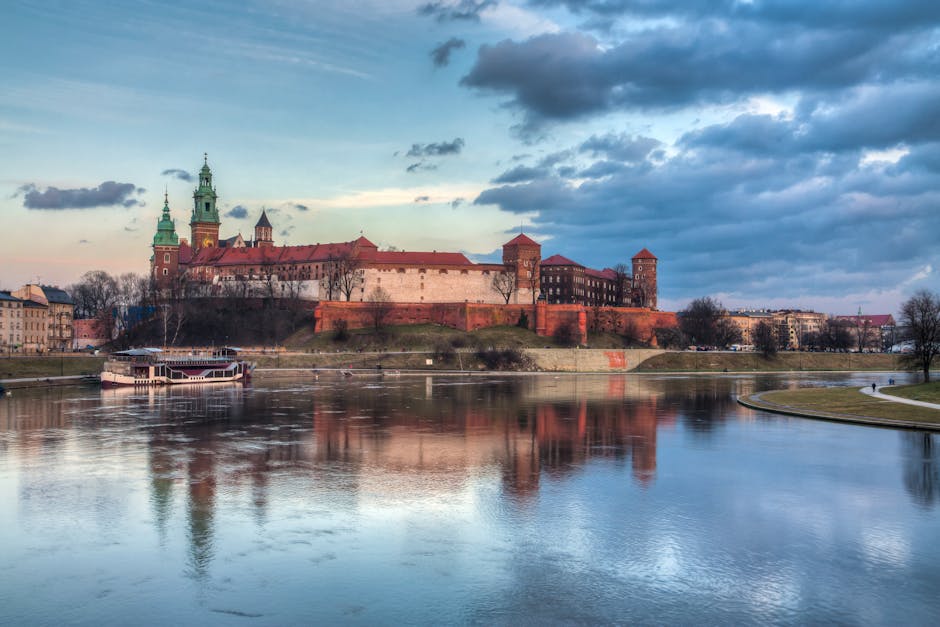
Wawel Hill is the historical seat of the Polish monarchy: Wawel Royal Castle (Zamek Królewski na Wawelu, Wawel 5, 31-001 Kraków) and Wawel Cathedral (Katedra Wawelska) form a dense complex of art, mausoleums and national symbols. While an audio guide can give the timeline of events, a live guide excels at connecting artworks to family stories, explaining tomb symbolism and managing visitor flow to make the most of your time.
Practical info:
- Zamek Królewski na Wawelu (Wawel Royal Castle) — ul. Wawel 5, 31-001 Kraków. Indicative hours: 09:30–17:00 (low season) to 09:00–18:00 (high season); closings vary by exhibition. Approximate prices: €6–12 for interior circuits (varies by rooms open and student/senior discounts).
- Katedra Wawelska (Wawel Cathedral) — part of the Wawel complex, the cathedral is generally open except during services; paid guided visits may cover certain chapels and the Royal Crypt. Approximate prices: €2–6 for some sections and towers.
Why choose a live guide:
- Privileged access and pacing: an experienced guide will take you through the richest tours without wasting time in lines, and will suggest alternatives if a hall is closed for restoration.
- Art interpretation: in front of royal tapestries, sarcophagi and frescoes, a guide explains technique, political context and offers a conservator’s perspective rather than a mere chronological commentary.
- Vivid storytelling: Wawel Hill is full of legends — the Wawel Dragon (Smok Wawelski), court intrigues — and a guide turns these into living scenes, making the experience more immersive than an app voice.
Local tips: allow at least two hours if you want to see the main rooms of the Castle and the Cathedral. If possible, book a small-group tour (8–12 people) to keep an intimate atmosphere. In summer, favor a morning or late-afternoon visit to avoid tourist coaches. Tickets for special exhibitions can sell out days in advance; check the official Zamek Królewski na Wawelu website for availability.
3) Kazimierz and Jewish memory — why a guide matters to understand the human layers
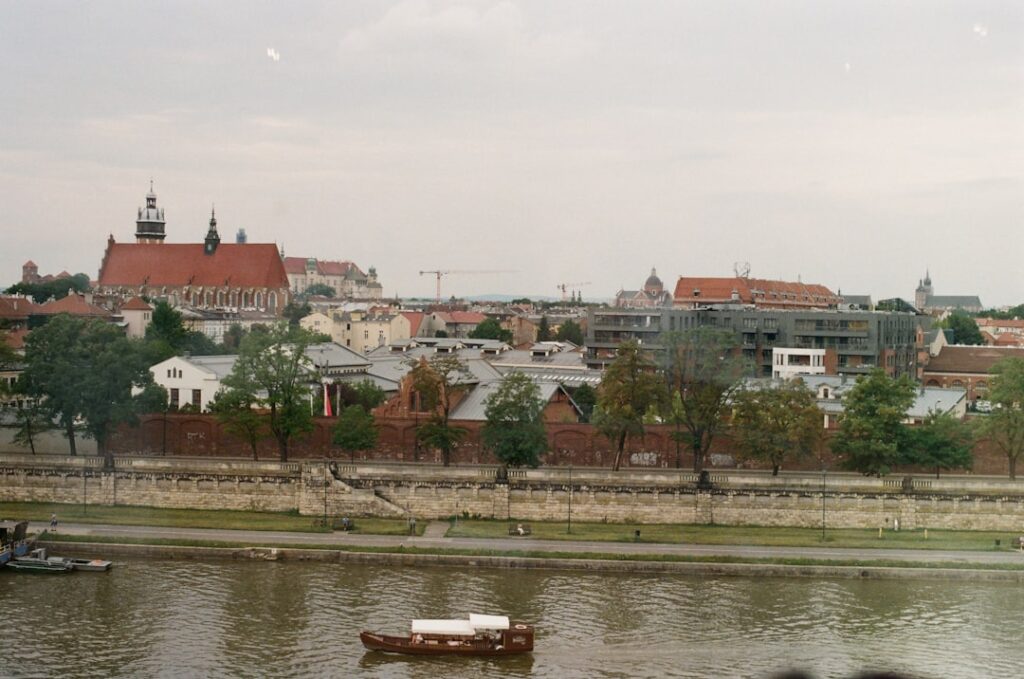
Kazimierz, the old Jewish quarter of Kraków, is now a lively neighborhood mixing historic synagogues, a Jewish cemetery, kosher restaurants and bohemian cafés. Sites like the Old Synagogue (Stara Synagoga, ul. Szeroka 24, 31-053 Kraków) and Oskar Schindler’s Factory (Muzeum Fabryka Schindlera, Lipowa 4, 30-702 Kraków) require a respectful, contextual approach. Again, a live guide — ideally trained in Jewish history or local studies — brings nuance and sensitivity.
Practical info and prices:
- Stara Synagoga (Old Synagogue) — ul. Szeroka 24, 31-053 Kraków. Indicative hours: 10:00–18:00. Price: exhibitions and local guided tours €3–6 (depending on the exhibition).
- Muzeum Fabryka Schindlera (Schindler’s Factory Museum) — ul. Lipowa 4, 30-702 Kraków. Indicative hours: 10:00–18:00, sometimes closed on Mondays; approximate price: €6–10 (discounts available).
Why a live guide is often essential:
- Sensitivity and context: stories related to the Shoah, expulsions and the neighborhood’s reclamation require nuanced, human narration that an audio guide can’t always provide.
- Local connections: a Kazimierz guide knows families, café owners and local artists who may open doors (workshops, private galleries, small museums) and will craft an itinerary that goes beyond memorial plaques.
- Oral testimony: testimonies passed down through generations are best delivered live, with pauses, emphasis and answers to unexpected questions.
Local tips: visit Kazimierz in the late afternoon to enjoy golden light and a lively dining scene. For an offbeat entry, ask your guide for a tour focused on klezmer music or hidden cafés. If you plan to visit Schindler’s Museum, buy tickets in advance — in high season queues can be long; combined guided tours (Schindler + Kazimierz) are often offered by local agencies and last about three hours.
4) Specialized museums, themed tours and practical advice: audio guide, private guide or self-guided?
For some specialist museums or themed tours, a high-quality audio guide can be enough — especially if the tool includes images, interactive maps and language options. However, for sensitive topics (war history, religious art, traditional crafts) or tailored experiences (food routes, artisan workshops), a live guide remains superior. Here’s a breakdown by visit type:
Museums and exhibits (Schindler, National Museum, themed museums):
- Audio guide appropriate: for factual content and individualized routes (large museums, extensive archives), an audio guide lets you linger over a piece and go back if needed.
- Live guide preferable: for complex collections that need contextualization, direct comparison between works, or in-depth discussion (e.g., restoration techniques or iconographic interpretation).
Themed tours (Polish cuisine, street art, nightlife):
- Audio guide appropriate: for short, self-paced routes combined with free stops (restaurant lists, maps).
- Live guide preferable: for tastings, bargaining and access to small private kitchens, meeting chefs and watching live culinary demos.
Outdoor tours and off-the-beaten-track routes:
- Audio guide appropriate: if you prefer walking alone following a fixed route (e.g., a stroll through Planty Park or along the Vistula) with clearly marked points of interest.
- Live guide preferable: if you want local anecdotes, shortcuts, photo tips (best angles at certain times) and the option to change the route depending on weather or your preferences.
Practical tips for choosing:
- Language: check language quality. A poorly translated audio guide can distort information. Live guides often offer several languages (English, French, Spanish, German); always confirm the guide’s language skills before booking.
- Group size: choose a private guide if you want to interact and ask questions. For large groups, an audio guide can reduce logistical issues, but the quality of the experience often drops.
- Price and budget: a private guided tour in Kraków usually starts around €80–120 for 2–3 hours (for a private guide in French, varies by season and specialization). Group tours in English are often offered at €10–20 per person for 2–3 hours. Audio guides or apps cost between €3–10 or can be free depending on the app, but they don’t offer human flexibility.
- Health safety: during epidemics or when distancing is required, an individual audio guide may be the best option. When health conditions allow, a live guide brings warmth and social interactions that are hard to replace.

Conclusion — Summary and practical recommendations for choosing between a live guide and an audio guide in Kraków
Choosing between a live guide and an audio guide in Kraków depends primarily on your personal expectations: depth of history, human interaction, need for flexibility, budget and time constraints. If you prioritize hearing living stories, asking unexpected questions, accessing alternative routes or places sometimes closed to the public, a live guide is the richest option — especially in historically charged spaces like Wawel Castle (Wawel 5, 31-001 Kraków), St. Mary’s Basilica (Plac Mariacki 5, 31-042 Kraków) and the Kazimierz neighborhood (ul. Szeroka and surroundings). In those sites, a guide can turn factual labels into vivid scenes and firsthand testimony, while offering practical local tips (restaurants, timing, coffee stops).
By contrast, for self-guided visits, museums with well-signposted routes or visitors with limited time who want to move at their own pace, audio guides are an economical and convenient solution. They work especially well for walks in open spaces (Planty Park, riverside strolls along the Vistula) and for tech-savvy users comfortable with their smartphone and a solid internet connection.
Concrete recommendations:
- If you book a guided tour in French, favor a certified local guide: typical private rates €80–120 for 2–3 hours, group tours €10–20 per person (indicative). Book in advance for high season (May–September).
- For the most popular museums (Schindler’s Factory, Lipowa 4, 30-702 Kraków), buy tickets online in advance. Opening hours and prices can change; check official sites before visiting.
- If you choose an audio guide, download offline maps and verify the quality of the voice and translation. Use a reputable app or the museum’s official service for better reliability.
- Finally, leave room for the unexpected: a sunset stroll along the Vistula, a break in a Kazimierz café or a spontaneous gallery visit can create lasting memories — and these moments are often amplified by a live guide who knows when to slip in local gems.
Whatever you choose, Kraków is generous: its stones tell stories, its cafés soothe and its people like to share their heritage. For a first visit, I recommend a mix: a guide for the must-sees (Wawel, Rynek Główny, Kazimierz) and an audio guide to complement solo discoveries. That way you get the best of both worlds: the authenticity of human storytelling and the freedom of independent exploration.