




Introduction — Where to go in an emergency in Krakow: a practical guide for travelers
Krakow (Kraków) is a historic, lively city with well-equipped medical facilities, both public and private. Still, health issues or accidents can happen at any time: a tumble on the cobbles in Kazimierz, fainting after a long old-town stroll, a food allergy in a small restaurant, alcohol-related sickness, or a sports injury after a quick mountain getaway. This guide is for travelers and short-term residents who want to know, fast and without panic, where to go in an emergency, which numbers to call, what addresses to note, opening hours, and what costs to expect.
You’ll find a clear rundown of the main hospitals with Emergency Departments (ED), private clinics offering urgent care, on-call pharmacies, plus practical tips for handling a medical emergency in Krakow. Each facility is listed with its full name, exact address, emergency hours, indicative prices in euros for uninsured patients, and recommendations to speed up care (documents to bring, useful phrases, recommended transport).
Important: in Poland, as across the European Union, the pan-European emergency number is 112. It’s free from any mobile phone and will connect you to the needed services (ambulance, police, firefighters). National direct numbers are still in use: 999 for ambulance, 998 for fire, and 997 for police, but you don’t need to memorize them if you dial 112. If you have a European Health Insurance Card (EHIC/CEAM), emergency care may be covered under Polish rules; without coverage, facilities usually charge in euros or zlotys. This guide gives price estimates in euros to help you plan.
1) Major public hospitals with Emergency Departments (ED)
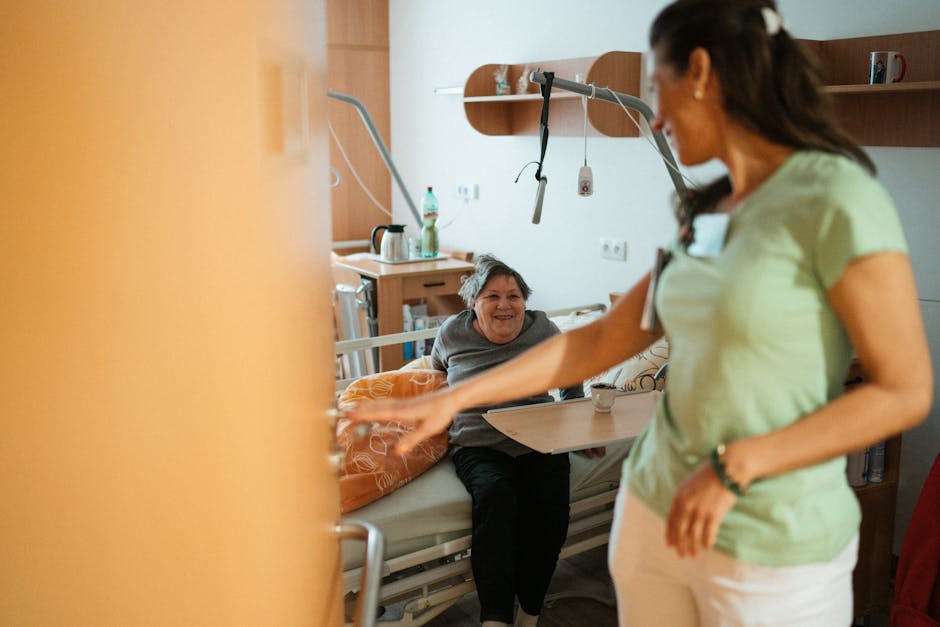
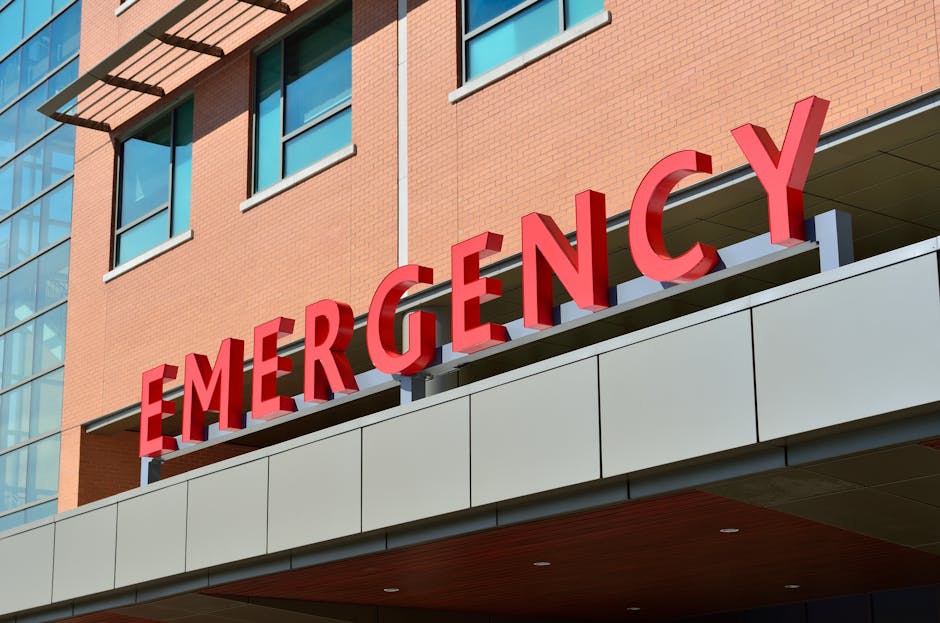
For a serious emergency (severe chest pain, loss of consciousness, open fracture, heavy bleeding), go to the Observation and Admission Service (SOR — equivalent to an Emergency Department) of the nearest major hospital. The hospitals below are best equipped in Krakow for general emergencies, trauma care and coordinating with specialist services (interventional cardiology, neurosurgery, traumatology). They accept ambulances and have full technical capabilities.
Szpital Uniwersytecki w Krakowie — University Hospital in Krakow (Main ED)
- Address: ul. Kopernika 36, 31-501 Kraków
- Emergency hours: 24/7
- Languages: Polish, often English at reception
- Care provided: general emergency care, surgery, cardiology, imaging (24h CT), laboratory
- Indicative prices (uninsured patients): basic emergency consultation €40–80; X-ray €30–60; CT scan €150–300; full inpatient care from around €400/day depending on procedures
- Practical tips: bring ID and your insurance card; non-EU visitors should ask admissions for an estimated bill immediately if possible
This university center is often the reference point for complicated cases or when specialists are required. Waiting times can be longer for non-life-threatening issues, as triage prioritizes by medical need.
Szpital Specjalistyczny im. Jana Pawła II — John Paul II Specialist Hospital
- Address: ul. Prądnicka 80, 31-202 Kraków
- Emergency hours: 24/7
- Care provided: traumatology, orthopedics, general surgery, pediatric emergency services depending on unit
- Indicative prices: emergency consultation €35–70; simple sutures €40–90; immobilization and casting €80–200; radiology €25–150
- Practical tips: this hospital is well-positioned for musculoskeletal injuries; for a simple fracture, take a taxi (about €5–12 from the city center) for faster arrival than by tram
This large hospital is locally known for orthopedics and its technical facilities. It handles a wide range of trauma and often provides continuity into rehabilitation.
Szpital Dziecięcy im. św. Ludwika / Children’s Hospital
- Address: ul. Wielicka 265, 30-663 Kraków (open 24h for pediatric emergencies)
- Hours: pediatric emergency 24/7
- Indicative prices: child consultation €30–60; dehydration and IV fluids €60–150; pediatric inpatient care from €200/day
- Practical tips: bring the child’s health record and vaccination list; having a translator or a parent who speaks Polish speeds up care
For families traveling with children, knowing the location of the local pediatric hospital is essential. Pediatricians there are used to childhood emergencies, from acute infections to minor injuries.
2) Private clinics and urgent care centers (faster, transparent pricing)
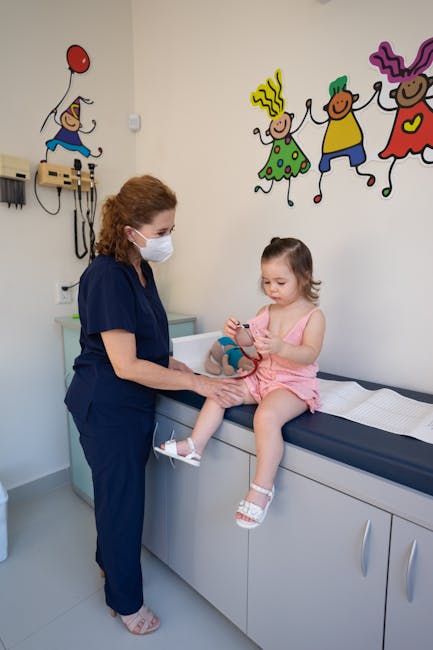
If your injury or illness isn’t life-threatening but needs quick attention (wound suturing, persistent pain, high fever, rapid tests), private clinics often have shorter waits, English-speaking staff, and clear invoices. They’re ideal for tourists with international travel insurance or who prefer to pay directly. Below are some popular options in Krakow.
Lux Med / Medicover — private medical centers
- Example address: Medicover / Lux Med Clinic, ul. Wielopole 17, 31-072 Kraków (city center)
- Hours: most open 08:00–20:00 on weekdays; some branches offer 24h private emergency services
- Services: urgent consultations, sutures, rapid blood tests, ECG, on-site imaging depending on location
- Indicative prices: consultation €40–90; ECG €25–45; rapid COVID/flu tests €40–80; minor sutures €50–120
- Practical tips: book online if possible; an English invoice makes insurance reimbursement easier
International networks like Lux Med and Medicover have several branches in Krakow and offer services geared to expats and travelers. Staff often speak English and coordination with hospitals for transfers is generally well handled.

Centrum Medyczne Enel-Med / Healthcare Center
- Example address: Enel-Med, ul. Rakowicka 1, 31-510 Kraków (near the train station)
- Hours: 08:00–20:00 on weekdays, some clinics 24h
- Indicative prices: urgent consultation €50–100; ultrasound €60–120; minor procedures €70–200
- Practical tips: ideal for quick diagnostics; payment is usually accepted in euros or zlotys
These private facilities are a good choice if you want fast care, English reports, and transparent billing. For non-urgent but bothersome conditions (ear infection, sprain, vaccinations), they’re often the best option.

3) On-call pharmacies, useful numbers and administrative steps
Before going to a hospital, some issues can be handled at a pharmacy: painkillers, dressings, advice for minor burns, antihistamines. Krakow has many pharmacies (Apteka) open 24h. Here’s how to proceed and which numbers to keep on hand.
On-call pharmacies (Apteka całodobowa)
- 24h Pharmacy — Apteka Pod Orłem: ul. Floriańska 15, 31-020 Kraków — often open 24h in high season
- 24h Pharmacy — Apteka przy Rynku: Rynek Główny 28, 31-008 Kraków — convenient for the historic center
- Typical pharmacy prices: paracetamol/ibuprofen €3–8; dressings and antiseptic €5–15; antihistamines €5–10
- Practical tips: ask “Na recepcie?” to check if a medicine needs a prescription; pharmacists often speak English in tourist areas
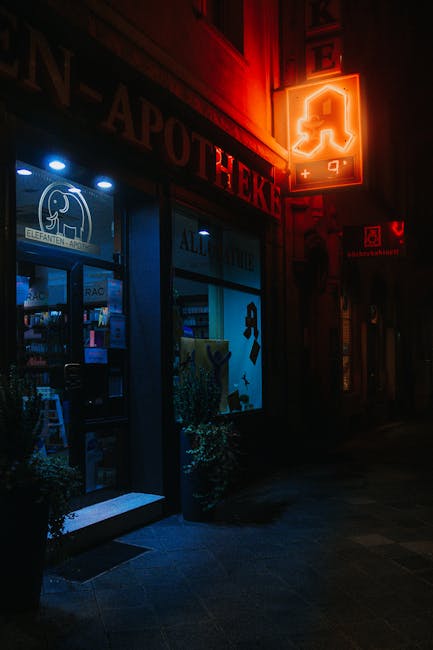
Look for signs reading “Apteka całodobowa” (24h pharmacy) or check apps like Google Maps or local websites for the nearest on-call pharmacy. In the evening, an on-call pharmacy may be located inside a hospital.
Emergency numbers and tourist assistance
- 112 — European emergency number (ambulance, police, fire) — free from any phone.
- 999 — Ambulance (national direct number)
- 998 — Fire brigade
- 997 — Police
- Tourist helplines: the Krakow Tourist Information can point you in the right direction; located at Rynek Główny 1 and often reachable via their website for non-medical guidance)
If you call 112, stay calm and give the exact location: street name, building number, a landmark (for example “near St. Mary’s Basilica, Rynek Główny 2”). Operators handle multiple languages or will use interpreters. Keep your phone charged and carry a power bank; GPS (Google Maps) speeds up emergency response.

4) Getting to hospital: ambulance, taxi, tram and logistical tips
Which transport to use depends on how serious the situation is. For life-threatening emergencies call 112/999 for an ambulance. For non-life-threatening urgencies, a taxi or private transfer is often faster than public transport, especially at night. Here are the options and cost estimates.
Ambulance
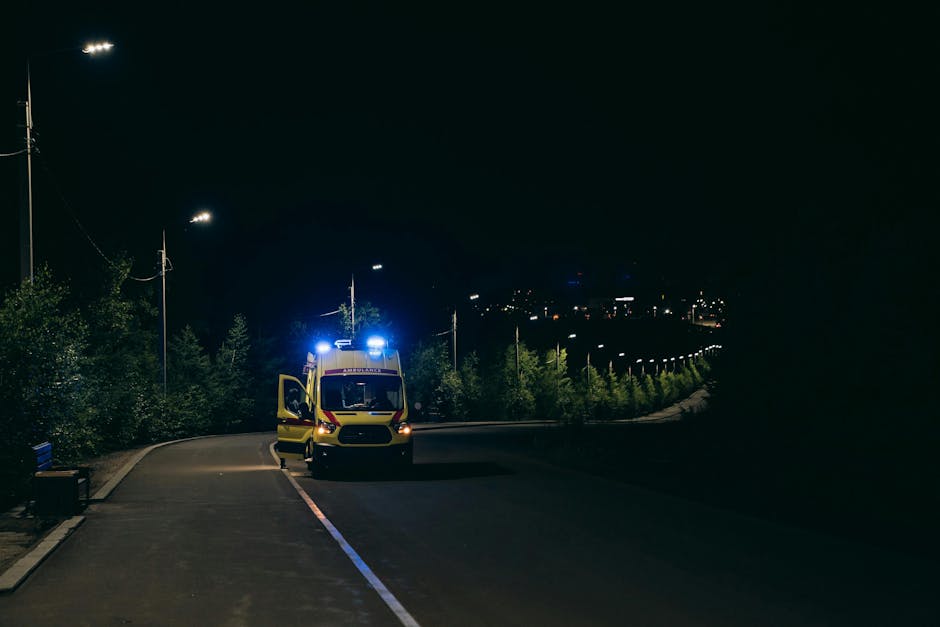
- When to call: loss of consciousness, severe chest pain, uncontrollable bleeding, signs of stroke, severe breathlessness, serious poisoning
- Estimated cost: for residents covered by EHIC/CEAM, ambulance care is handled according to local rules; uninsured visitors may be asked for a partial payment on scene (deposit) — expect €50–150 depending on complexity and inter-hospital transfers
- Practical tips: if possible, send someone to meet the responders at a visible point and show ID and insurance details
Taxi, ride-hailing and public transport
- Taxi: ride from the city center to a major hospital €5–15 depending on distance and traffic (e.g. Rynek → ul. Prądnicka ~€8–12). Prefer official taxis (radiotaxi) or local apps.
- Ride-hailing (Bolt/Free Now): often cheaper and trackable in-app; similar cost to a taxi, paid by card.
- Tram and bus: cheaper (short tickets ~€1.20–1.50) but less practical with a serious injury or reduced mobility
- Practical tips: if you’re alone and need help carrying someone injured, ask passersby or hotel staff; they can call a suitable taxi or help contact an ambulance
If you fall ill suddenly in a rental, let the host (Airbnb/hotel) know right away — many will assist and can recommend an English-speaking doctor or call an ambulance for you.
5) Local tips, pre-trip preparation and insurance
A few simple preparations can turn a stressful situation into a manageable incident. Here are essential local tips for any traveler in Krakow.
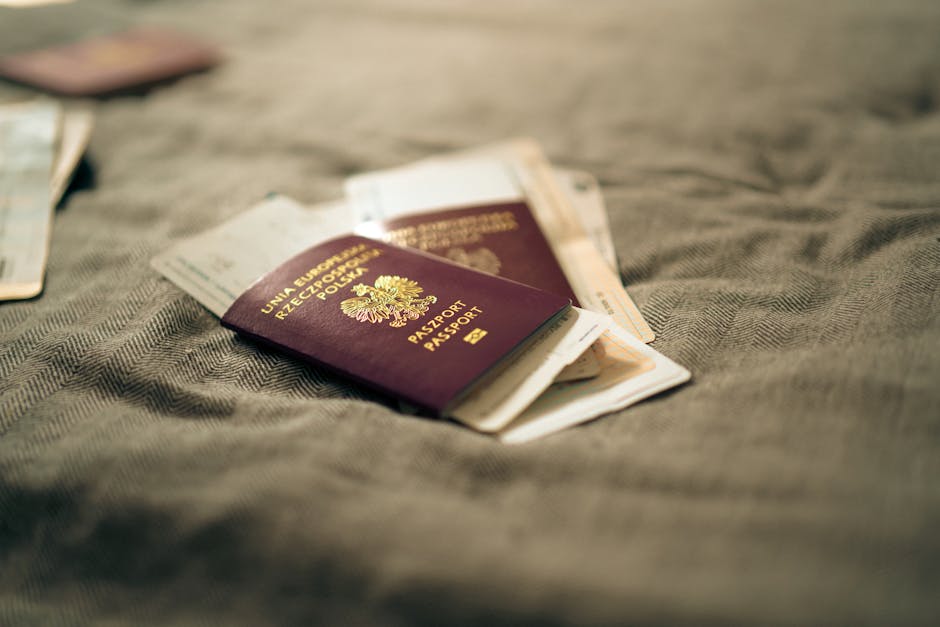
- Documents to carry: passport or ID card, European Health Insurance Card (EHIC/CEAM) if you’re from an EU country, a copy of your travel insurance policy, list of current medications, emergency numbers and your insurer’s contact details.
- Language: first responders often understand English, but if in doubt use simple Polish phrases: “Boli mnie …” (I have pain in …), “Jestem alergikiem” (I’m allergic), “Potrzebuję pomocy” (I need help).
- Insurance: buy travel insurance that covers medical evacuation and 24/7 assistance; hospital bills abroad can quickly run into thousands of euros.
- Travel pharmacy: pack a basic first aid kit (antiseptic, dressings, gauze, painkillers, antihistamines) and check availability of your prescription meds in Poland before you go.
- Numbers to save: 112, your insurer’s emergency number, your embassy’s address, the address of the nearest hospital, and the local on-call pharmacy number.
Finally, keep any receipts and medical records you get at the hospital — they’re essential for insurance claims. Request a medical report in English if needed. If you have concerns about the quality of care, contact your embassy: they can provide a list of recommended facilities and lawyers if disputes arise.
Conclusion — Act quickly and stay calm: safety first
Krakow has a solid healthcare network combining university hospitals, specialist centers and private clinics. In a serious emergency, call 112 immediately and follow the operator’s instructions; for urgent but non-life-threatening problems, private clinics will often give faster care and clearer bills. Note the main hospital addresses: Szpital Uniwersytecki w Krakowie (ul. Kopernika 36), Szpital Specjalistyczny im. Jana Pawła II (ul. Prądnicka 80) and the children’s hospital (ul. Wielicka 265) — they’re your go-to locations if needed.
Prepare your documents before you travel — ID, EHIC/CEAM if applicable, travel insurance policy — and keep a digital copy on your phone. Pack a basic first aid kit and locate the nearest on-call pharmacy (Floriańska and Rynek Główny often have late-night branches). If you’re staying in tourist neighborhoods (Kazimierz, Stare Miasto, Podgórze), find the closest clinic or pharmacy as soon as you arrive: it can save precious time in an incident.
Stay calm, communicate clearly and don’t hesitate to ask hotel staff or passersby for help — locals are generally helpful. If you need to get to a hospital, choose the appropriate transport (ambulance for life-threatening cases, taxi/ride-hail for moderate urgencies). Keep all medical documents and receipts for administrative steps and reimbursements. With these practical tips, you’ll be better prepared to handle an emergency in Krakow and quickly get back to enjoying this fascinating city.